Controversial Expressway Approved Through Critical Tiger Habitat
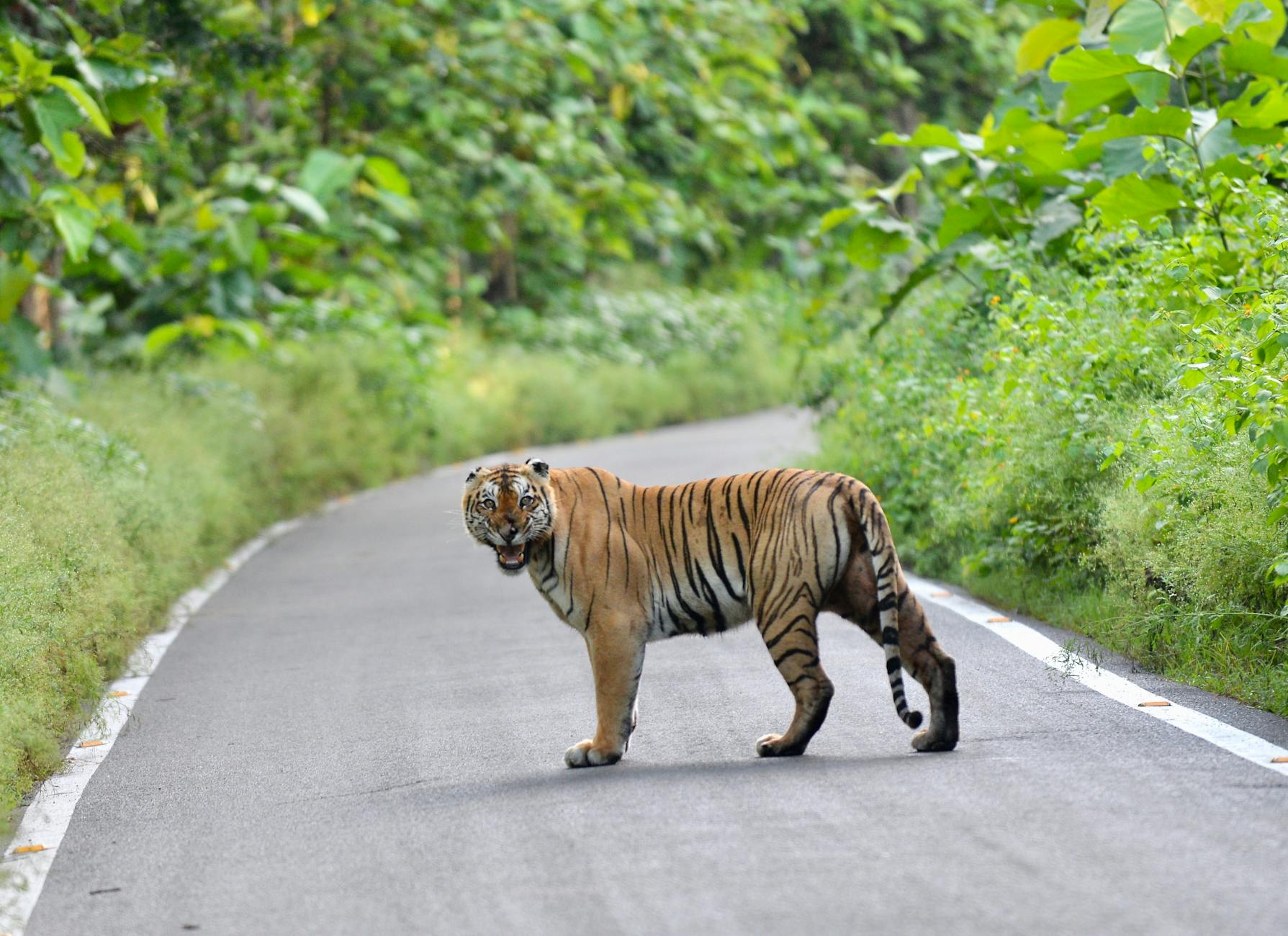
The green light for the Rs 9,250 crore Varanasi-Kolkata expressway has sparked a heated debate within environmental circles. This ambitious infrastructure project, recently approved by the Environment Ministry, will slice through a delicate tiger landscape, potentially disturbing the habitat of one of India's most iconic species.
The expressway aims to connect Varanasi in Uttar Pradesh to Kolkata in West Bengal, traversing approximately 610 km across four states. A significant portion, about 159 km, will run through the forests of Bihar, including districts such as Kaimur and Rohtas, which are known for their rich biodiversity.
The Environmental Dilemma
The project’s passage through the tiger habitat has raised eyebrows among conservationists. They argue that the expressway could fragment the forest, disrupting animal corridors and increasing the risk of wildlife collisions. The National Highways Authority of India (NHAI) has assured that measures will be taken to mitigate environmental impacts, such as creating wildlife crossings and preserving crucial habitats.
Despite these assurances, environmentalists remain sceptical. They point to past instances where promised safeguards were inadequately implemented, leading to detrimental ecological impacts. The expressway, they say, represents a worrying trend of prioritising economic development over environmental preservation.
Economic Promises vs. Ecological Costs
Proponents of the expressway highlight its potential to boost economic connectivity between key industrial regions. By significantly reducing travel time, the expressway is expected to facilitate smoother transit of goods and people, thus contributing to regional economic growth.
However, the ecological cost looms large. The diversion of forest land, a necessity for the project's completion, risks undermining conservation efforts that have long sought to protect India's dwindling tiger populations. The expressway's approval, therefore, underscores the ongoing struggle to balance development with environmental stewardship in a rapidly modernising nation.
As construction gears up, the onus is now on authorities to ensure stringent adherence to environmental protocols. Only time will tell if the promised safeguards will suffice to protect the majestic tiger and its habitat from the relentless march of development.