Controversial Expressway from Varanasi to Kolkata Gains Approval
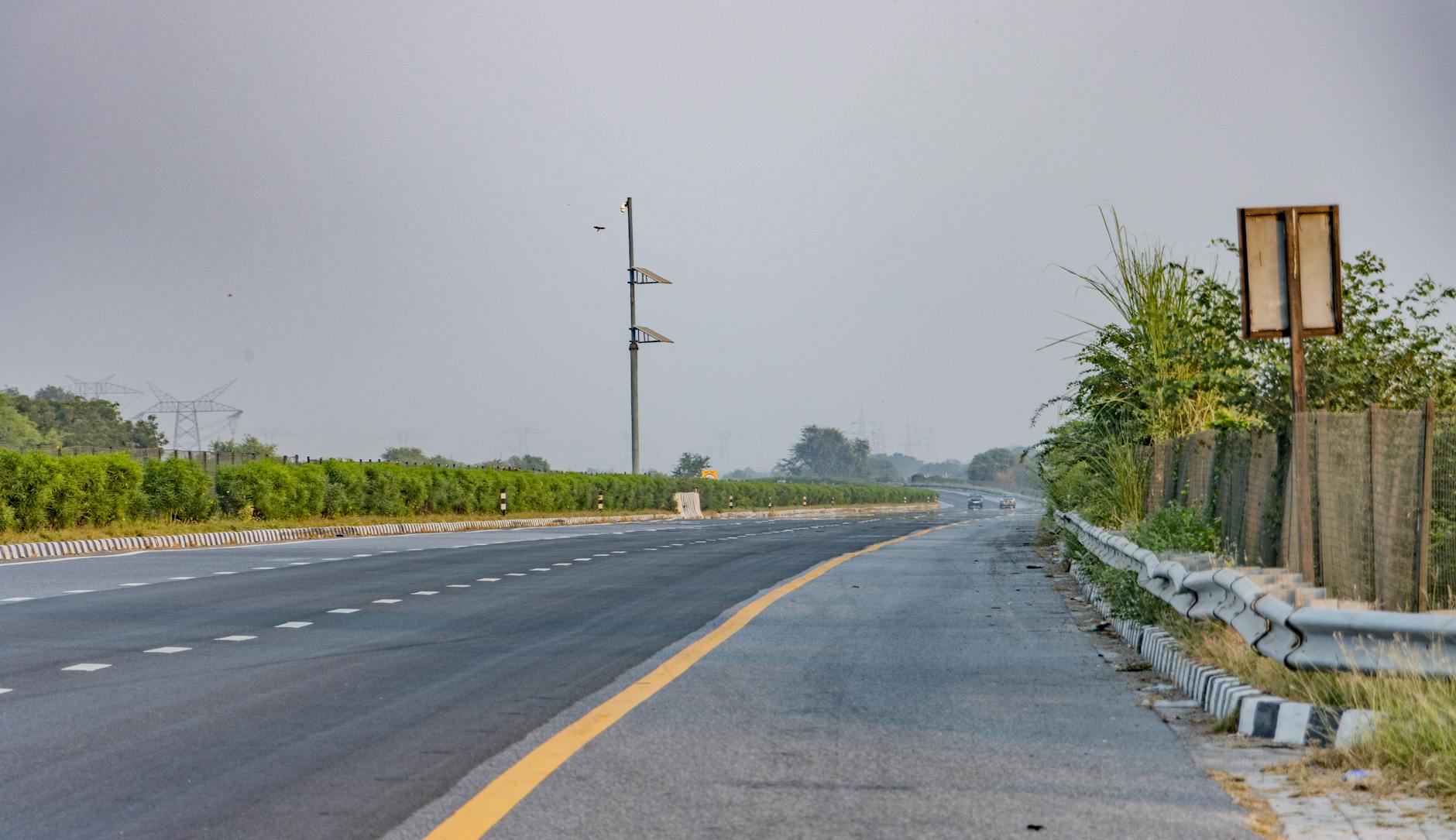
The lush greenery of West Bengal may soon witness a drastic transformation, as the Environment Ministry's expert panel has given the nod to a new expressway linking Varanasi with Kolkata. This ambitious project, stretching over 235 kilometres, promises to unite two of India's most culturally significant cities, yet it comes at the cost of significant ecological disruption.
The expressway, which aims to cut down travel time between Varanasi and Kolkata to a mere 7-8 hours, will require the diversion of more than 103 hectares of reserved and protected forest lands. This has sparked a debate among environmentalists and conservationists, who fear that the project could disrupt the delicate balance of the region's ecosystem, particularly affecting the tiger habitats.
Promises of Progress
The project is part of India's broader plans to modernise its infrastructure, with the expressway expected to become operational by 2027. Union Road Transport and Highways Minister Nitin Gadkari, during a parliamentary session, highlighted the potential economic benefits and the facilitation of smoother travel between the two cities. Varanasi, known for its spiritual and cultural heritage, and Kolkata, a bustling metropolis, are expected to witness enhanced connectivity and economic growth.
Proponents argue that the expressway will not only boost tourism but also catalyse economic integration in the region. The promise of reduced travel time and improved logistics is indeed enticing for businesses and travellers alike.
Environmental Concerns
However, the expressway's path through forested areas and tiger landscapes raises significant environmental concerns. Critics point out that the diversion of forest land could lead to habitat fragmentation and threaten biodiversity, particularly in a region already grappling with human-wildlife conflicts.
The clearance, while a step forward for development, underscores the ongoing tension between infrastructure expansion and environmental preservation. As India continues to push for rapid economic growth, finding a balance that respects ecological boundaries remains a pertinent challenge.