Controversial Expressway Greenlit Through Bengal's Tiger Terrain
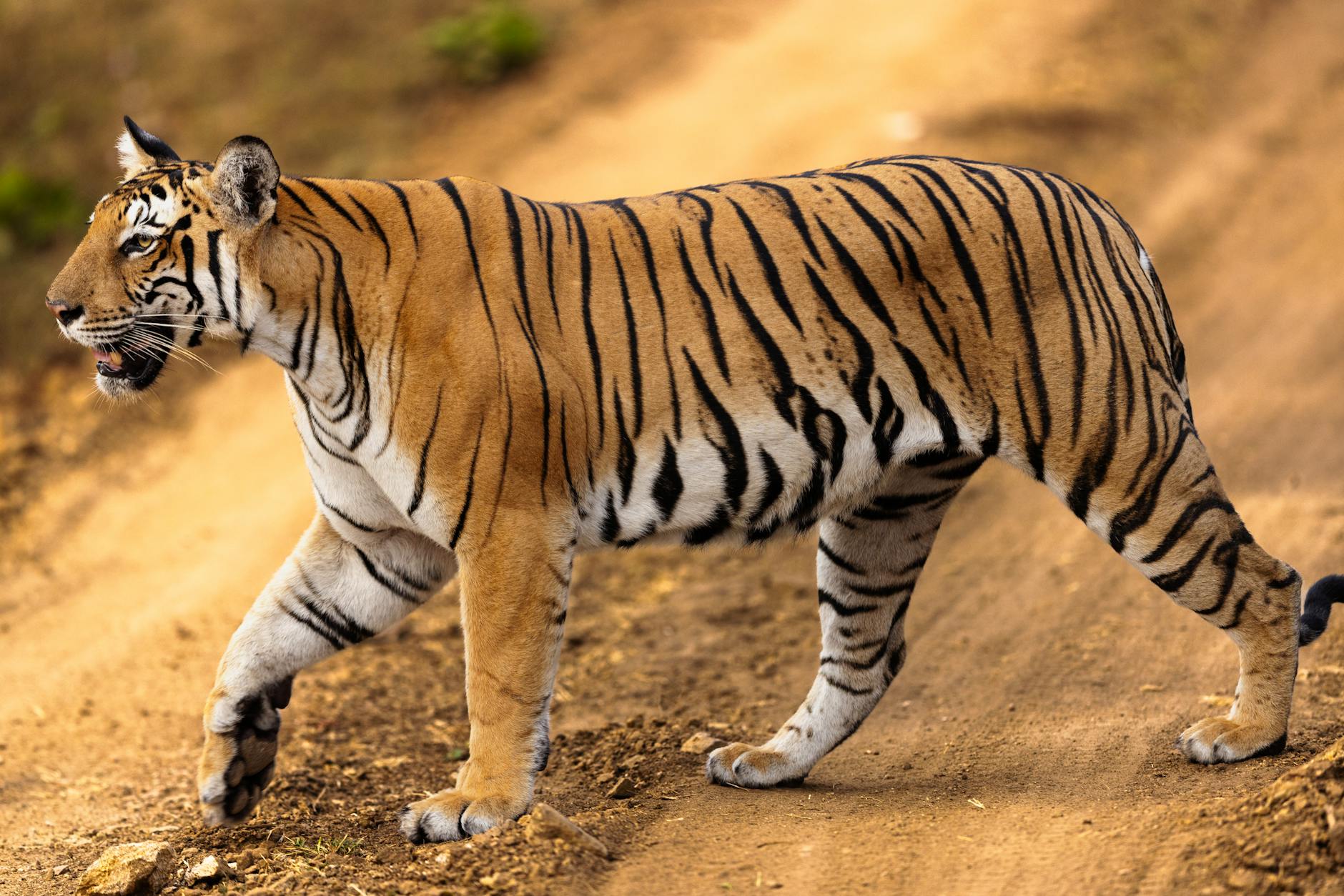
In a decision that has sent ripples through the conservation community, the Indian Environment Ministry has given the green light to a ₹9,250 crore expressway slicing through some of India’s most ecologically sensitive tiger habitats. The 235-kilometre stretch, forming a part of the ambitious Varanasi-Kolkata expressway, will snake through the states of Jharkhand and West Bengal, impacting protected forests and wildlife corridors.
While the expressway promises to revolutionise connectivity between the two major cities, the cost to the environment is significant. The project will necessitate the diversion of over 103 hectares of forest land and the felling of no fewer than 50,000 trees. Conservationists argue that the expressway’s route threatens the delicate balance of these ecosystems, potentially disrupting the habitats of Bengal tigers and other wildlife.
Balancing Development and Conservation
The National Highways Authority of India (NHAI), which spearheads this project, asserts that the expressway is crucial for regional economic development. They argue that improved infrastructure will spur growth, enhance trade links, and reduce travel times between Varanasi and Kolkata. Yet, the environmental cost has prompted a fierce debate.
Critics, including several environmental NGOs, have voiced concerns over the potential ecological degradation. 'This expressway could spell disaster for local wildlife,' remarked an environmental activist. The construction will not only fragment habitats but also pose a long-term threat to biodiversity.
Mitigation Measures
In response to these concerns, the Ministry has mandated certain mitigation measures, including wildlife underpasses to facilitate safe animal crossings. However, critics remain sceptical about their effectiveness, pointing out that such measures often fall short of compensating for the extensive habitat loss.
The expressway project underscores the persistent tension between development and environmental preservation in India’s rapidly urbanising landscape. As the bulldozers prepare to roll, the question remains: can development and nature co-exist, or is this yet another instance where one must give way to the other?