Controversial Expressway to Slice Through India's Tiger Heartland
The decision to forge a 235-kilometre expressway between Varanasi and Kolkata has sparked a heated debate among environmentalists and government officials alike. Approved by the Union Environment Ministry, the Rs 9,250 crore project promises to significantly enhance regional connectivity. Yet, it also poses a threat to India's delicate wildlife ecosystems, as the route carves through protected forests and tiger corridors.
The expressway, a four-to-six lane marvel, is part of the broader National Highways Authority of India initiative. It aims to bolster trade and travel between the two culturally rich cities. However, the environmental cost is steep; over 103 hectares of forest land will be diverted, and approximately 50,000 trees are set to be felled. Wildlife underpasses are planned, but critics argue these measures are insufficient to mitigate the disruption to animal habitats.
Conservation Concerns
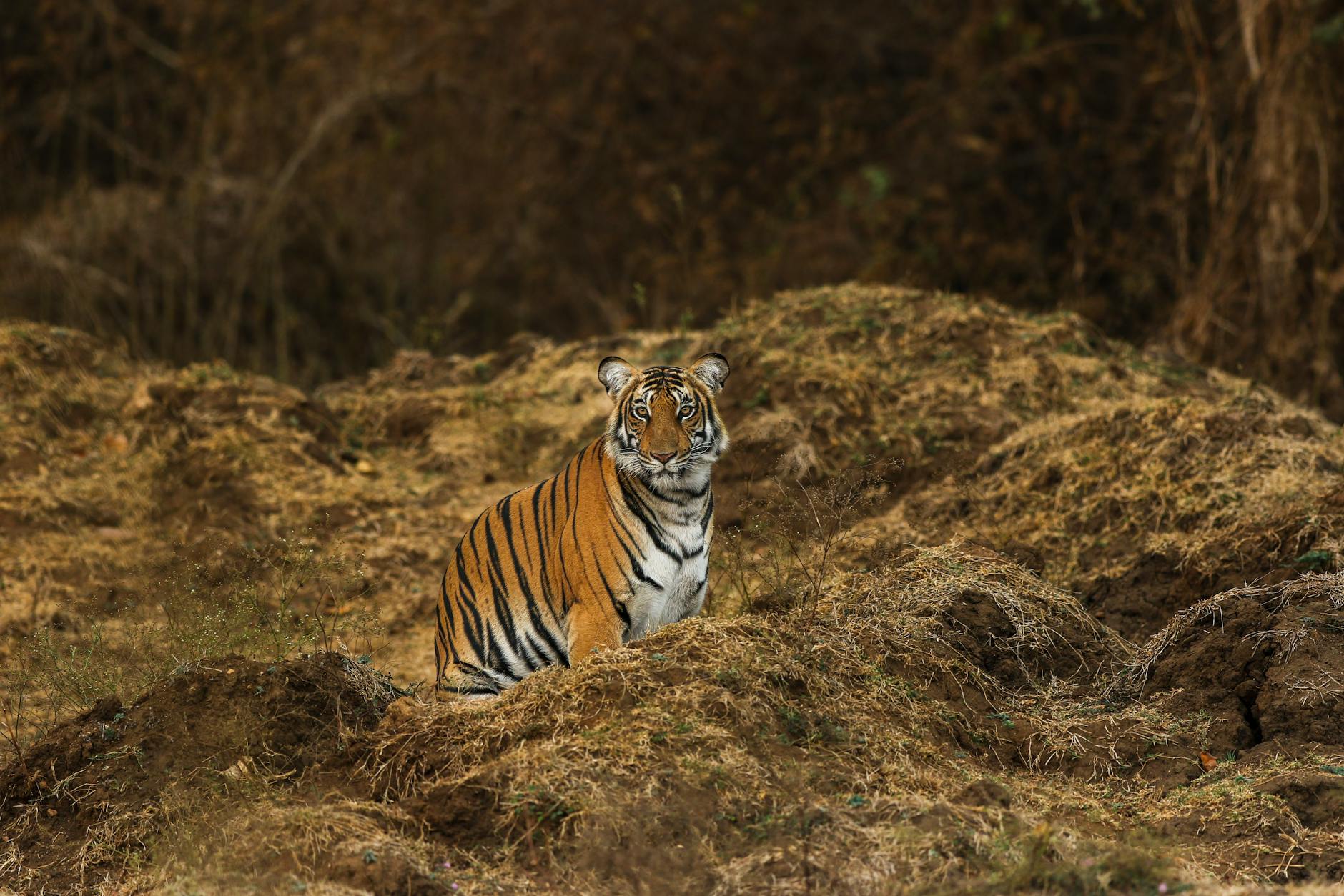
Conservationists have raised alarms about the potential impact on the region's tigers and other wildlife. The area is a crucial habitat for India's national animal, and any disturbance could have far-reaching consequences. "This isn't just about trees and tigers; it's about the ecological balance," said an environmental advocate. The expressway's alignment risks fragmenting these natural habitats, making it challenging for wildlife to thrive.
Government officials, however, maintain that the project is essential for economic development and has been planned with environmental considerations. "We've incorporated wildlife crossings and are committed to reforestation efforts," stated a ministry spokesperson.
Balancing Development and Ecology
The expressway highlights a persistent dilemma in India's rapid development trajectory: how to balance infrastructural growth with ecological preservation. Proponents argue that improved road connectivity is crucial for economic growth, potentially lifting thousands out of poverty. Yet, the environmental cost raises questions about the long-term sustainability of such projects.
The approval of the Varanasi-Kolkata expressway underscores a broader challenge facing India—and indeed, the world—as nations strive to modernise while safeguarding their natural heritage.