Controversial Green Light for Varanasi-Kolkata Expressway
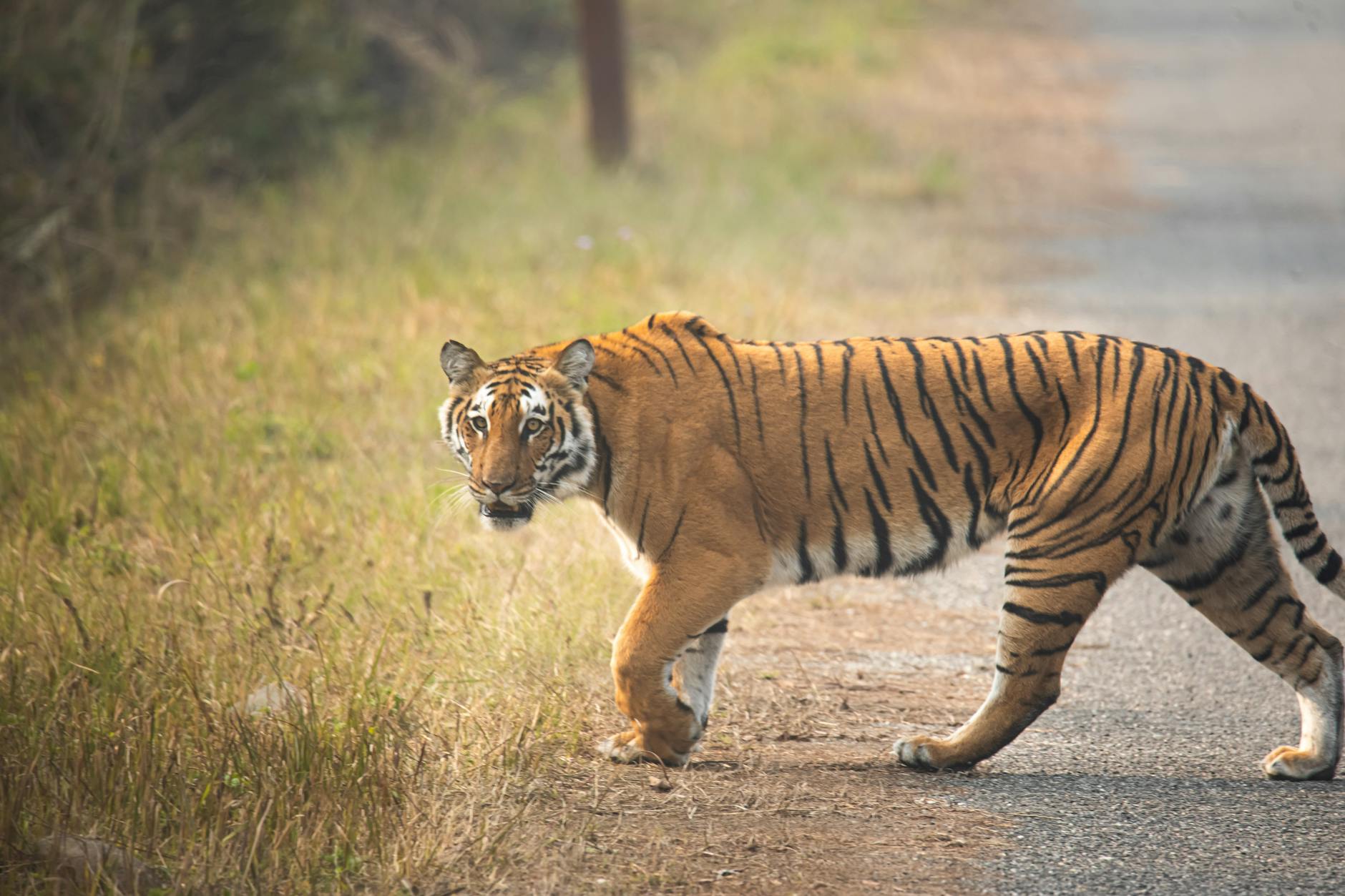
The recent approval of the Varanasi-Kolkata Expressway by the Environment Ministry has ignited a complex debate. Spanning 610 kilometres, this ambitious infrastructure project promises to cut travel time significantly, reducing the current 12 to 14-hour journey to a mere six hours. Yet, it is the expressway's chosen path through a vital tiger landscape that has drawn both attention and criticism.
Located within a region known for its rich biodiversity, the expressway's route will require the diversion of forest land, a move that has conservationists up in arms. The project, estimated at ₹9,250 crore, is part of the National Highways Authority of India's larger plan to enhance connectivity between Varanasi in Uttar Pradesh, Ranchi in Jharkhand, and Kolkata in West Bengal.
Development vs. Conservation
The expressway's proponents argue that it will bolster economic growth by improving infrastructure and reducing travel time. This, they claim, will facilitate smoother transport of goods and promote tourism. However, environmentalists fear that the encroachment into tiger habitats could have dire consequences for wildlife conservation efforts.
India's tigers, already under threat from poaching and habitat loss, could face increased peril if their territories are further fragmented. The expressway's approval is seen as a litmus test of India's commitment to balancing economic progress with ecological preservation.
Government's Fast-Track Approach
The Indian government has shown a clear intention to fast-track this project, seeing it as a cornerstone of the nation's infrastructure development agenda. Yet, the looming question remains: at what cost? With growing concern over climate change and biodiversity loss, the decision to prioritise such projects over environmental considerations has sparked widespread debate.
As the expressway moves closer to becoming a reality, stakeholders from both sides of the argument continue to voice their opinions. The project’s fate may ultimately hinge on finding a compromise that satisfies the demands of development while safeguarding India's precious natural heritage.