Controversy Brews as Expressway Cuts Through Tiger Territory
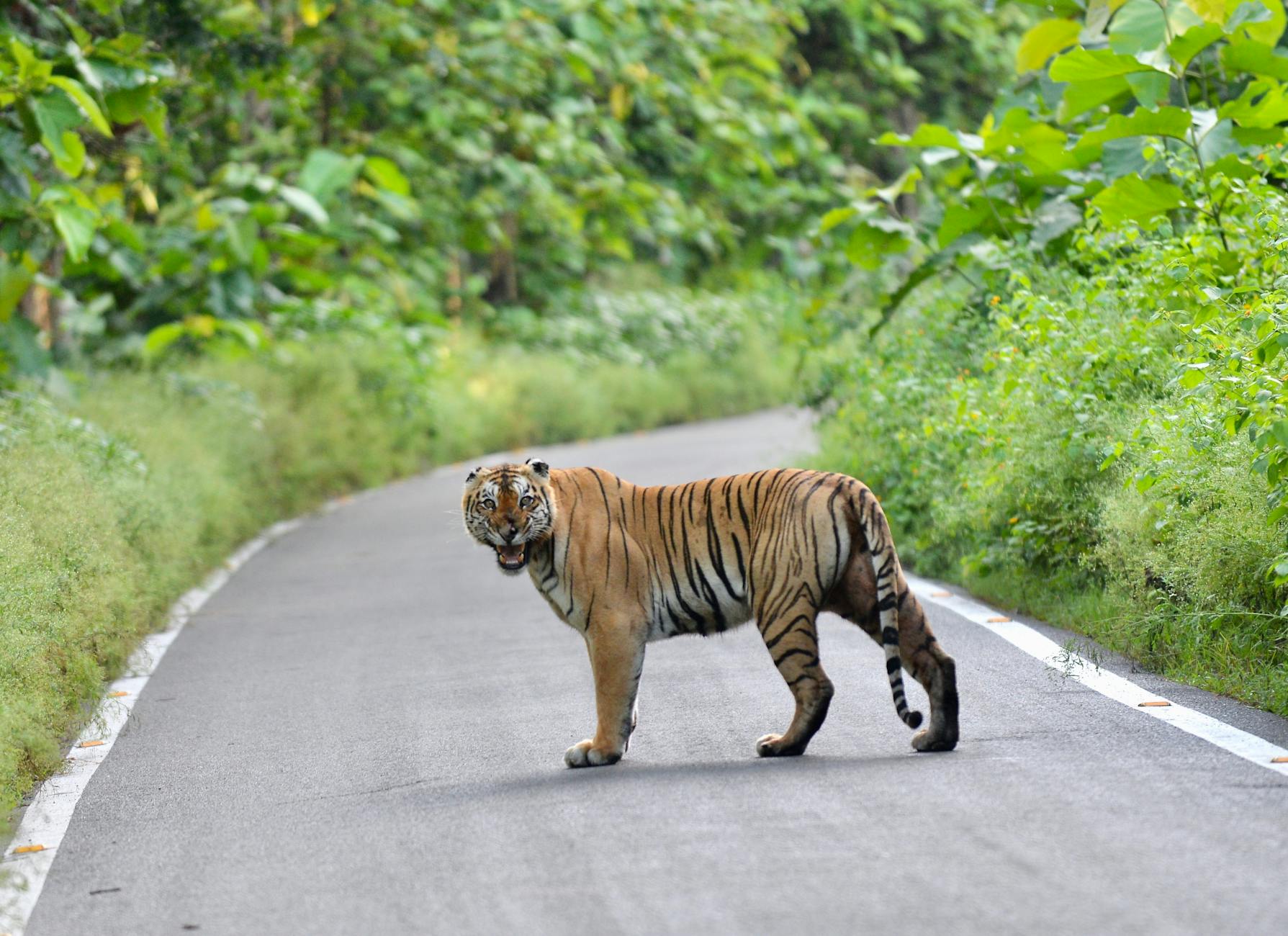
In a decision that has raised eyebrows and sparked a flurry of debate, the Environment Ministry has given the green light to a 235-kilometre stretch of the Varanasi–Kolkata expressway. Valued at Rs 9,250 crore, this project is set to carve its path through the vibrant tiger landscapes of Jharkhand and West Bengal, a move that has not been without its detractors.
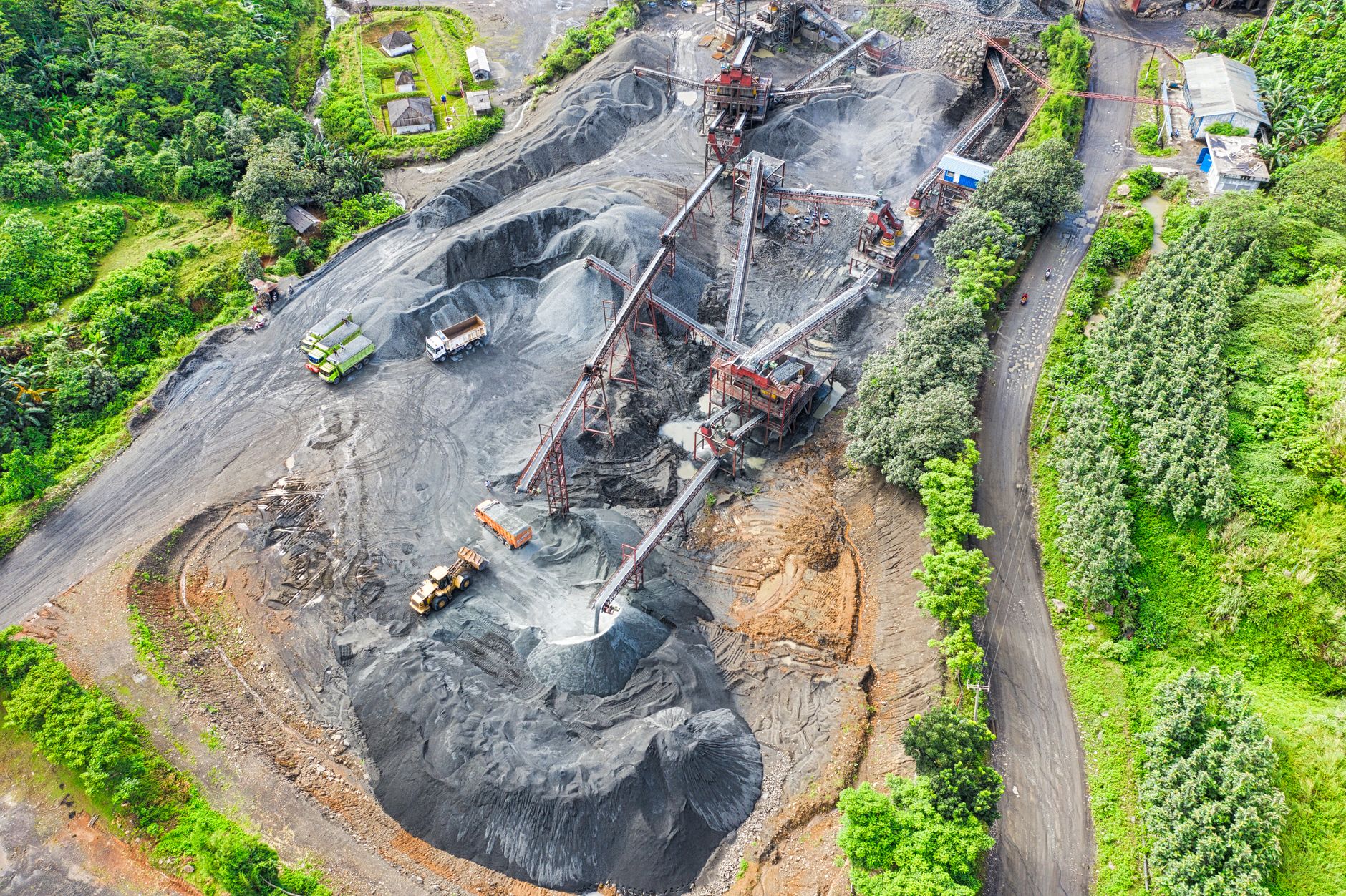
The expressway, a part of the larger National Highways Authority of India initiative, is intended to bolster connectivity between the two major cities. However, its route through protected forests and wildlife corridors has ignited concerns about the potential disruption to the region’s delicate ecology.
A Costly Passage
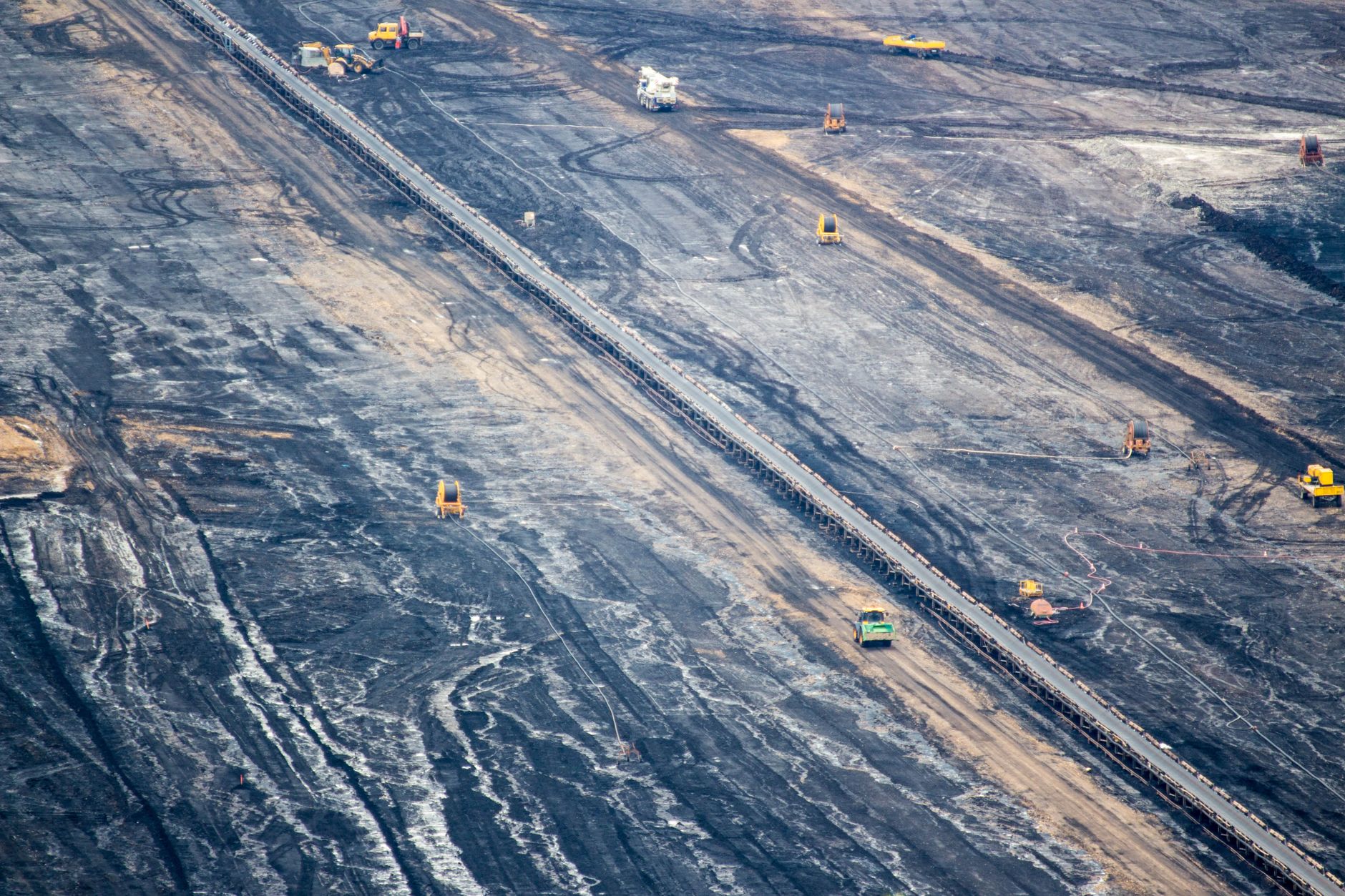
The project, which involves the diversion of over 103 hectares of forest land, has been met with criticism for the environmental cost it carries. The planned felling of 50,000 trees has particularly drawn ire from conservationists, who argue that such actions could significantly impact the region's biodiversity.
In response to these concerns, the project includes provisions for wildlife underpasses, designed to mitigate the impact on animal movements. Yet, sceptics remain unconvinced, pointing to the broader ecological implications that such large-scale infrastructural developments often entail.
Economic Gains vs. Environmental Costs
Proponents of the expressway argue that it represents a significant investment in infrastructure, promising economic benefits such as reduced travel times and enhanced trade opportunities. However, the environmental implications cannot be easily overlooked. The region’s tiger population, already under pressure from shrinking habitats, faces additional threats from this new development.
Balancing economic development with environmental sustainability remains a challenging task. As construction moves forward, the effectiveness of the proposed mitigation measures will be closely scrutinised, serving as a litmus test for future projects navigating similar environmental landscapes.