Cooking Gas Crisis Across Asia: A Public Health Emergency
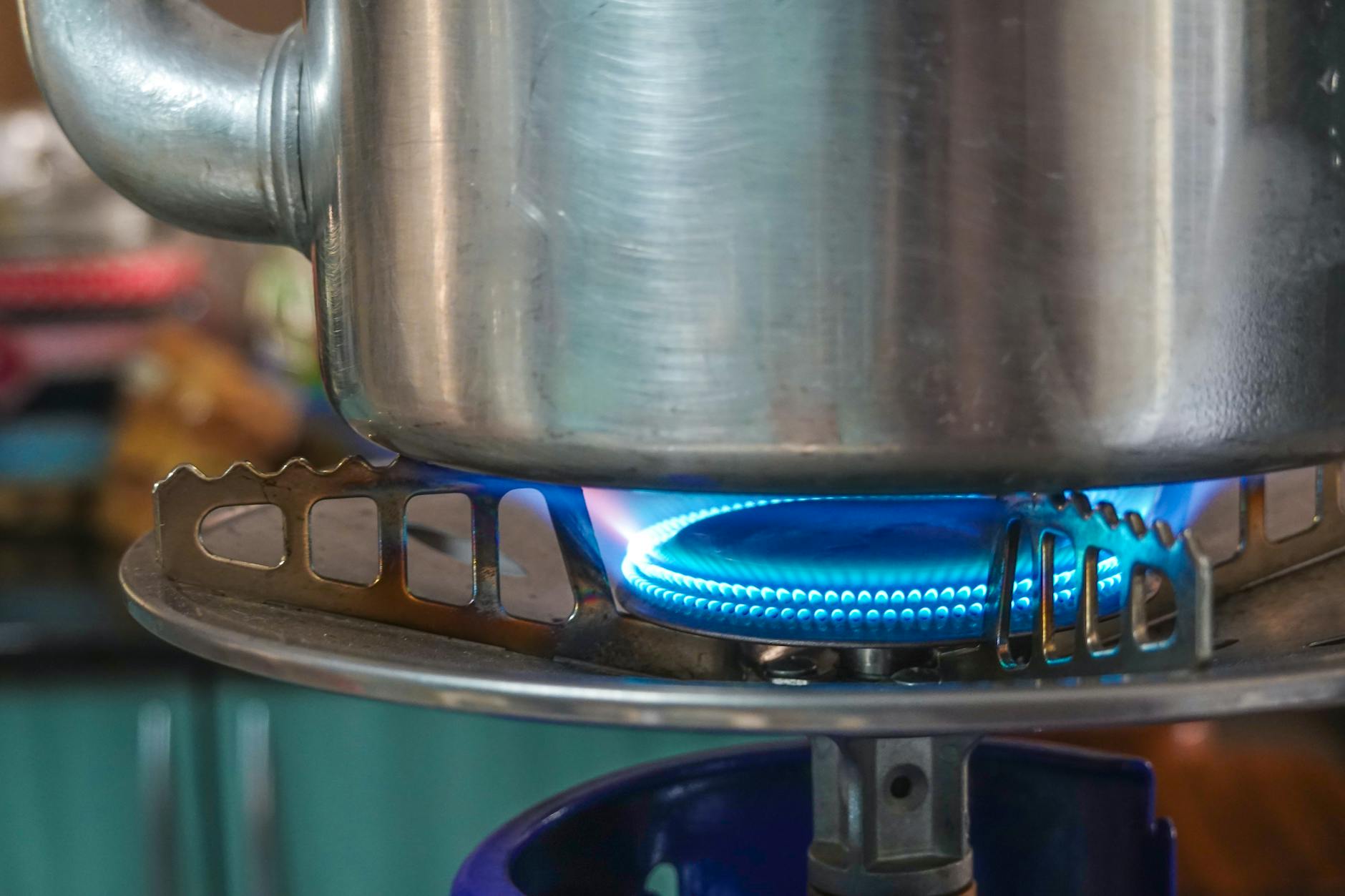
As the Middle East simmers with conflict, the ripple effects are being felt across Asia in a manner both unexpected and severe. The price of cooking gas has skyrocketed, leaving families scrambling for alternatives and public health hanging in the balance.
In rural India, the sight of women collecting firewood under the sweltering sun is becoming increasingly common. With temperatures soaring past 40°C, the task is arduous and dangerous, yet for many, there seems to be no other option. Cooking gas, once a staple in these households, has become a luxury few can afford.
Manpreet Singh of the National Restaurant Association of India, representing half a million eateries, states plainly: "Cooking gas simply isn't available." The shortage has not only disrupted daily life but also threatens the viability of the restaurant industry, a vital part of the Indian economy.
Regional Implications
Across the border in Pakistan, the situation is equally dire. Families have resorted to using plastic bottles to capture whatever gas they can find, a desperate measure fraught with risk. The conflict in Iran, particularly the closure of the Strait of Hormuz, has severely disrupted supply chains, causing prices to soar beyond reach.
More than 60% of India's population relies on imported liquefied petroleum gas (LPG) for cooking. The war has choked these vital supplies, leaving millions in a precarious position. The health implications are profound. Indoor air pollution from burning wood or plastic is a leading cause of respiratory illnesses, which could see a surge as more households turn to these alternatives.
Economic and Health Challenges
The economic impact is considerable. Restaurants, which heavily depend on commercial LPG cylinders or piped gas, are finding it increasingly difficult to operate. This crisis threatens not only their survival but also the livelihoods of millions employed in the sector.
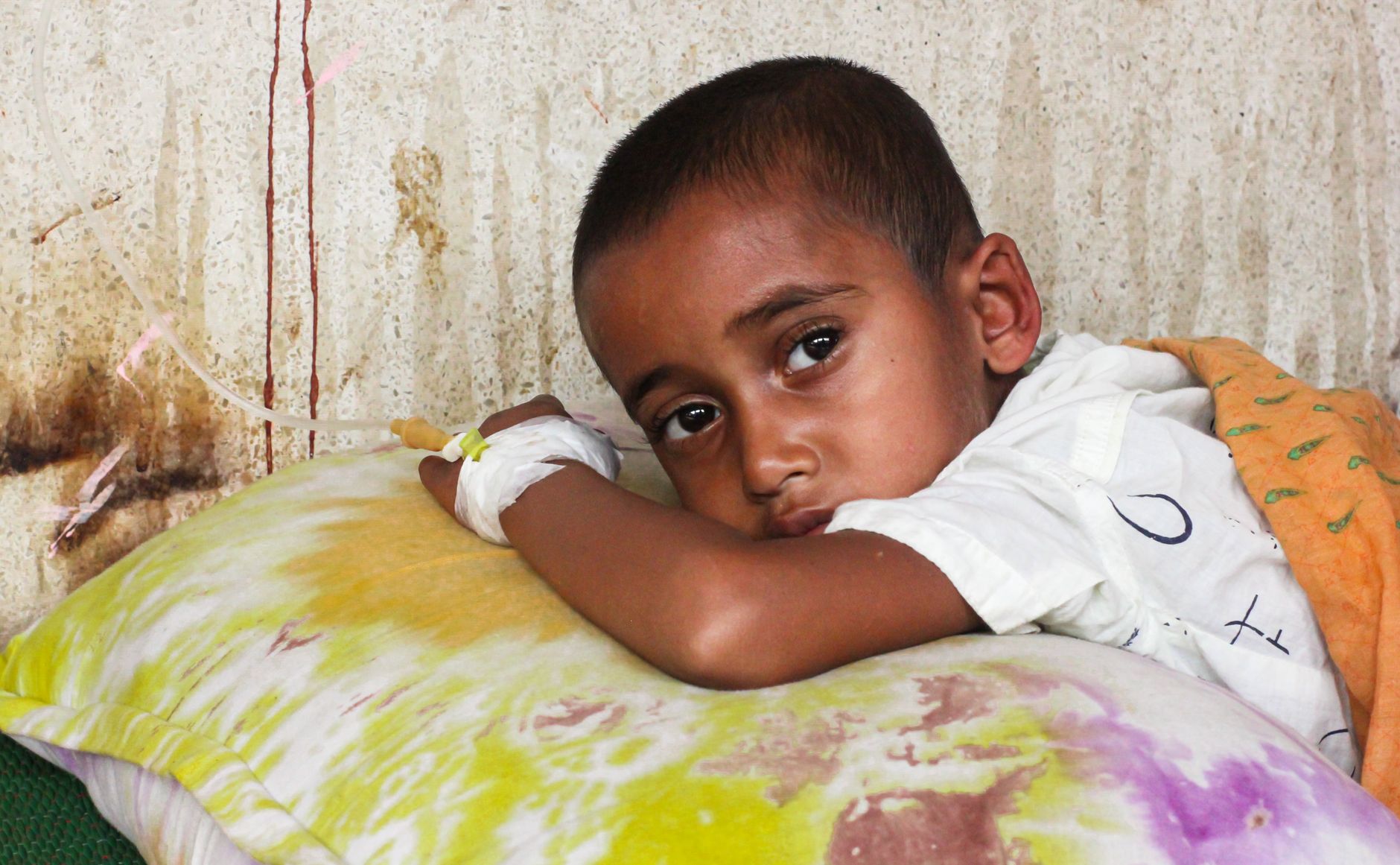
At its core, this is a public health crisis. As families are forced to make do with dangerous substitutes, the risk of respiratory diseases and other health issues looms large. The need for an international response to stabilise the gas supply is urgent, lest this crisis deepen further.