Cooking Gas Crisis in Asia: A Public Health Time Bomb
In the sweltering heat of an Asian summer, a woman trudges through the dusty lanes with a bundle of firewood balanced precariously on her head. This scene, reminiscent of a bygone era, has become the grim reality for many as the cost of cooking gas surges across the continent.
The catalyst for this crisis is the escalating conflict in Iran. The closure of the Strait of Hormuz, a critical chokepoint for energy supplies, has sent shockwaves through the global market. As a result, countries from India to Pakistan are grappling with severe shortages and spiralling prices.
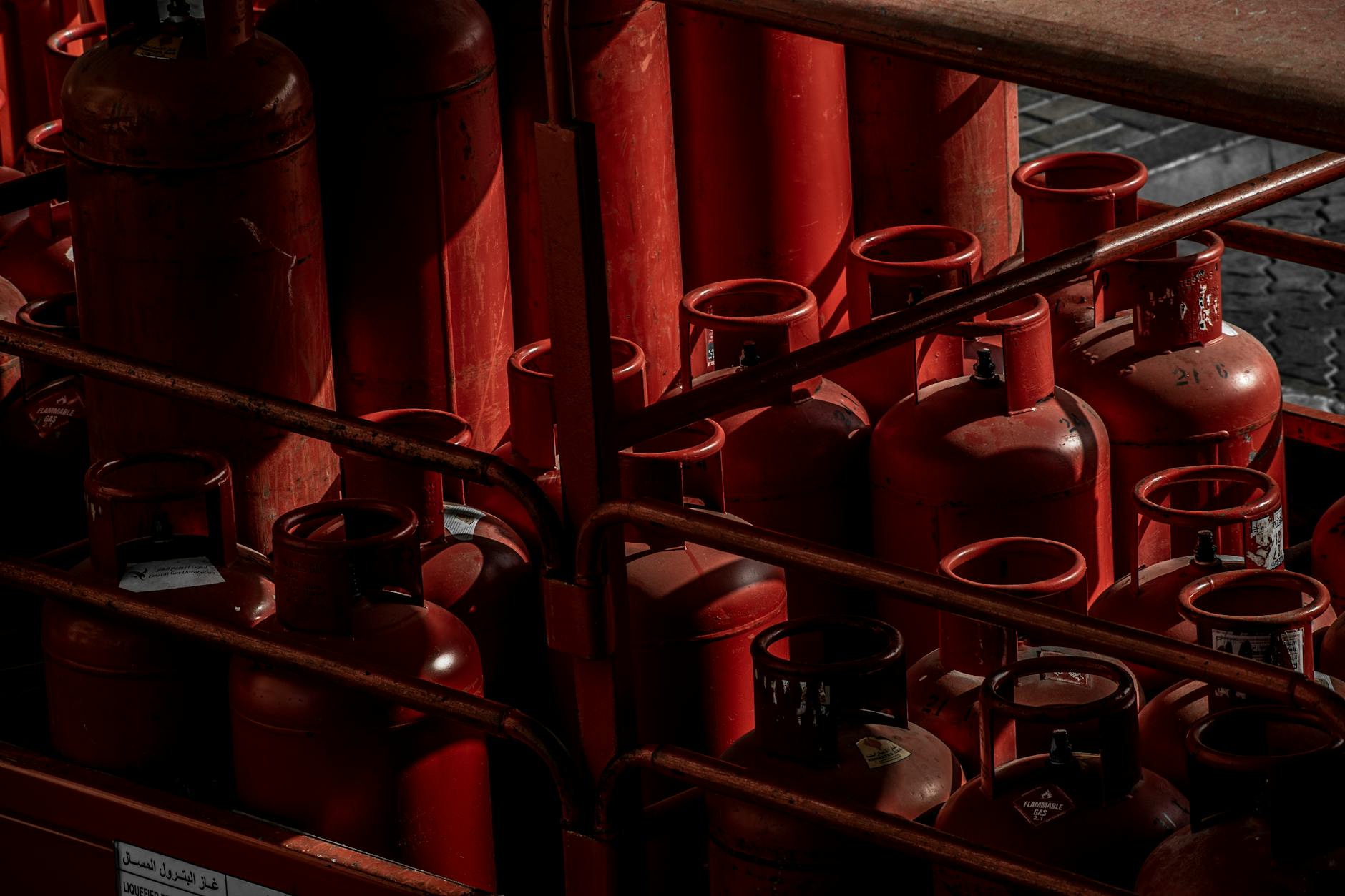
Manpreet Singh of the National Restaurant Association of India paints a stark picture. "Cooking gas simply isn't available," he laments, noting that over half a million restaurants now face an existential threat. With commercial LPG cylinders and piped gas in short supply, many eateries are turning to traditional cooking methods, which could have far-reaching health implications.
The Health Implications
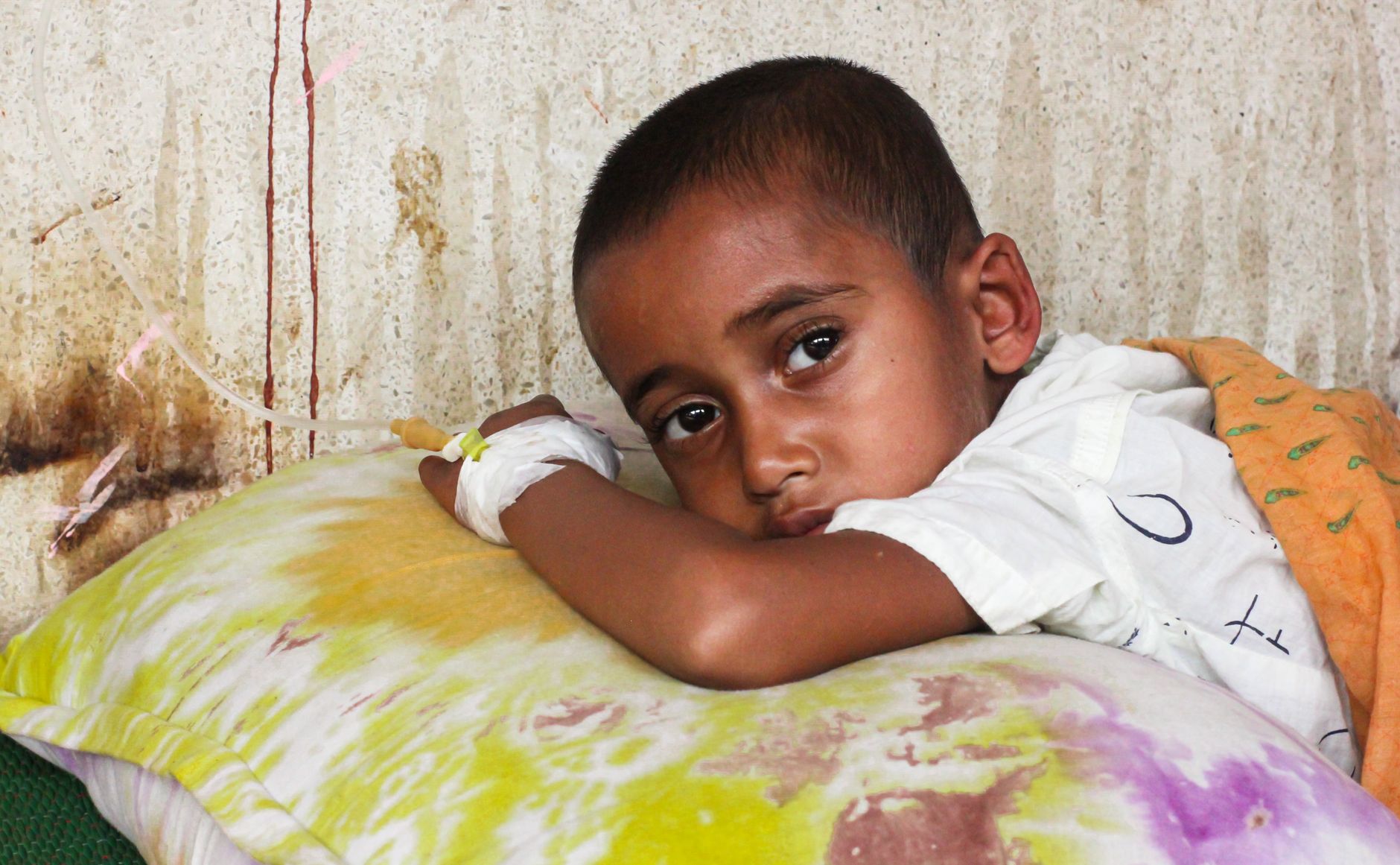
The shift back to firewood poses significant health risks. Medical experts warn of increased respiratory diseases due to smoke inhalation, particularly affecting women and children who spend more time near cooking fires. The World Health Organisation has long highlighted the dangers of indoor air pollution, which claims millions of lives each year.
Moreover, the use of firewood raises safety concerns, with risks of burns and house fires. In densely populated urban areas, these dangers are exacerbated, leading to potential disasters.
A Regional Crisis
Pakistan, too, finds itself in a precarious situation. Reports of households using plastic bottles to store whatever little gas they can procure are emerging. This not only highlights the desperation but also the precarious nature of energy security in regions prone to conflict.
The impact of the Iran crisis on cooking gas availability underscores a broader issue: the vulnerability of energy supply chains. As nations navigate this turbulent period, the necessity for resilient and diversified energy sources becomes more apparent.
As the international community watches the events in Iran unfold, the immediate concern for millions across Asia remains clear: how to cook their next meal without compromising their health or safety.