Could Hibernation Be the Key to Mars Exploration?
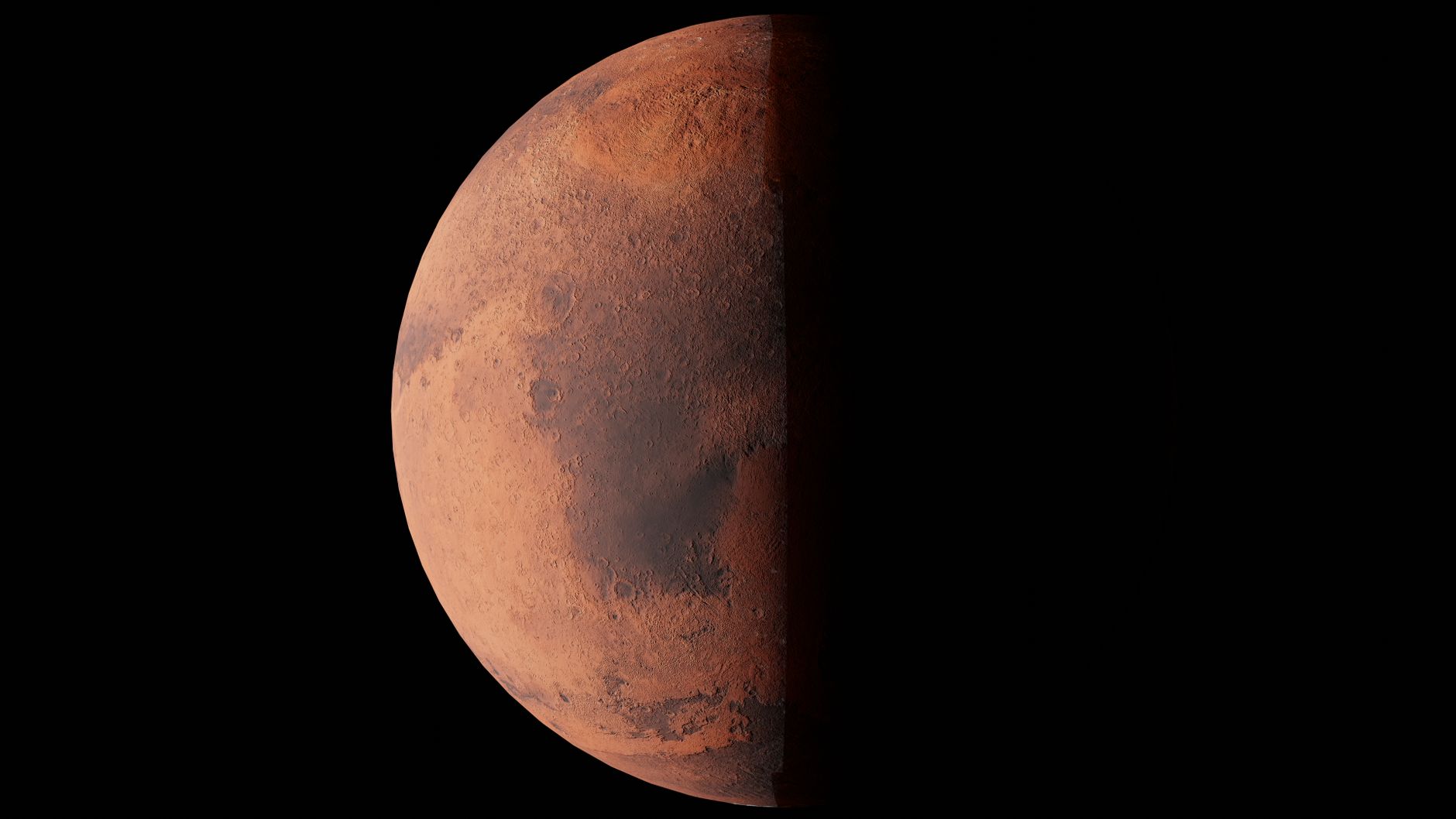
Picture this: astronauts floating in a state of suspended animation, their bodily functions slowed to a crawl as they journey to Mars. The notion, once relegated to the realm of science fiction, is now edging closer to reality as scientists delve into the feasibility of inducing human hibernation for space travel.
The European Space Agency (ESA) has spearheaded research into this intriguing concept, exploring how the biological mechanisms that allow certain animals to hibernate might be replicated in humans. The potential benefits are manifold, ranging from reduced psychological strain to significant cost savings. A hibernating crew requires less food, water, and oxygen, allowing for a smaller and more efficient spacecraft design.
Current studies are focused on understanding the precise biological changes that occur during natural hibernation—such as decreased heart rate and metabolic rate—hoping to safely induce similar states in humans. This could mitigate the boredom and stress associated with long-duration space missions, where the vacuum of space offers little in the way of distraction.
A Step Towards Sustainable Space Travel
While the idea is tantalising, the path to practical application is fraught with challenges. Not least among them is the need for hibernation pods that can maintain and monitor the health of astronauts over several months. Such technology is still in its infancy, but theoretical designs suggest it is within the realm of possibility.
There is also the issue of ensuring a safe awakening upon reaching Mars, which involves resuming normal metabolic functions without adverse effects. The stakes are high, but the rewards could revolutionise our approach to interplanetary travel.
As research advances, the dream of a Martian expedition might find its foundation not in cutting-edge propulsion technology, but in a process as old as nature itself. Could the key to unlocking the secrets of the red planet lie in simply taking a nap?