Could Human Hibernation Be the Key to Reaching Mars?
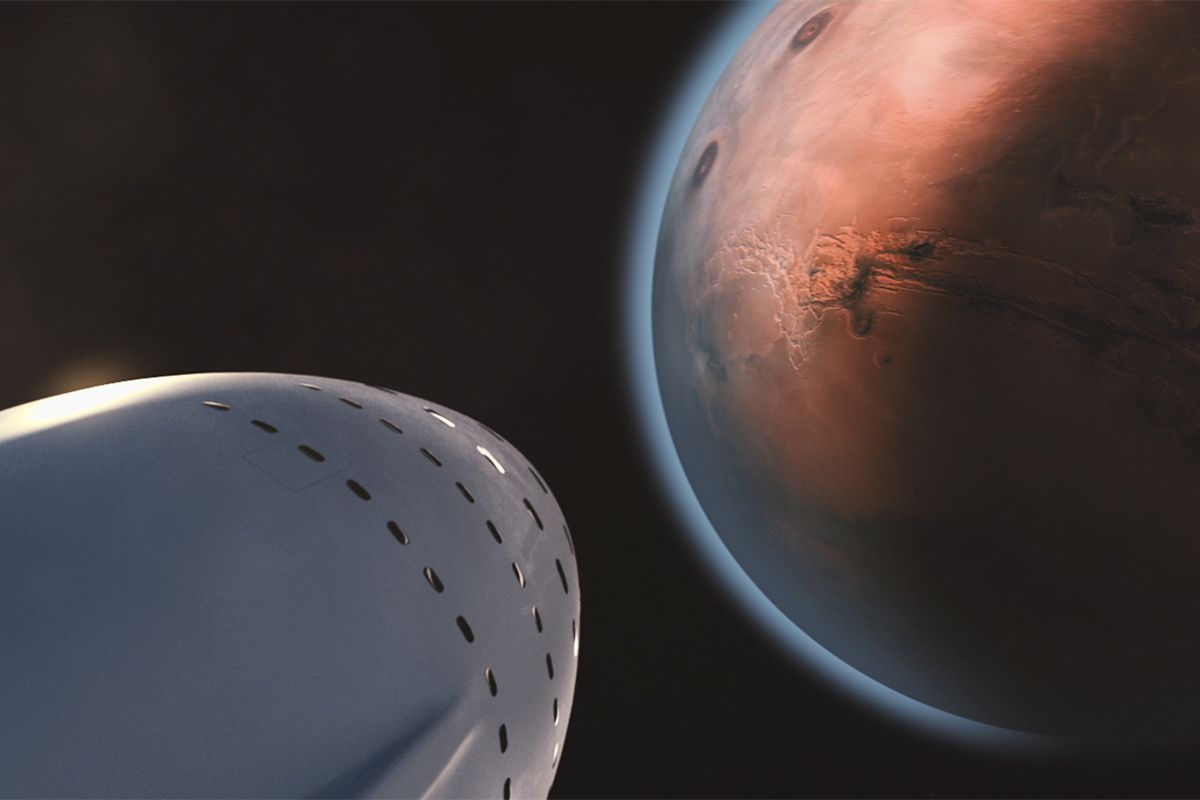
As the prospect of human beings setting foot on Mars inches closer to reality, scientists are pondering an intriguing question: could human hibernation be the secret to surviving the long journey? The idea, once confined to science fiction, is gaining traction as researchers investigate how mimicking nature could hold the key to interplanetary travel.
On Earth, various animals enter states of hibernation to conserve energy during harsh conditions. This natural phenomenon has inspired experts to contemplate whether inducing a similar state in humans could help overcome the considerable challenges of space travel. Amongst these are the need to carry vast amounts of food and water, the threat of cosmic radiation, and the physical toll of prolonged microgravity.
The Science of Slumber
Researchers are drawing parallels with animal behaviour, particularly with lemurs, which enter a state of torpor to survive periods of food scarcity. If humans could adopt a similar strategy, the implications for space travel are profound. It would mean reduced metabolic rates, less consumption of resources, and potentially a solution to the muscle atrophy and bone loss associated with long periods in space.
Dr. Griko, a leading scientist in the field, suggests that a hibernation-like state could also serve as a shield against cosmic radiation, one of the most pressing threats to astronauts on long missions. The idea is simple: if the body’s processes are slowed, the damage from radiation could be minimized.
Challenges and Possibilities
Of course, the concept is not without its challenges. Inducing hibernation in humans safely and effectively is no small feat. Ethical considerations abound, and the long-term effects of such a state remain largely unknown. Yet, the potential benefits make it a tantalising prospect.
Moreover, space agencies are already examining the practicalities. The European Space Agency, for instance, is exploring how a 'sleep chamber' could be integrated into spacecraft design. Such innovations might one day lead to a new era of space exploration, where the journey to Mars is not just feasible, but also efficient.
The road to Mars is fraught with obstacles, but with each scientific breakthrough, the dream moves a little closer. Hibernation, once a fantastical notion, might just be the ticket to the Red Planet.