Could Human Hibernation Unlock Pathways to Mars?
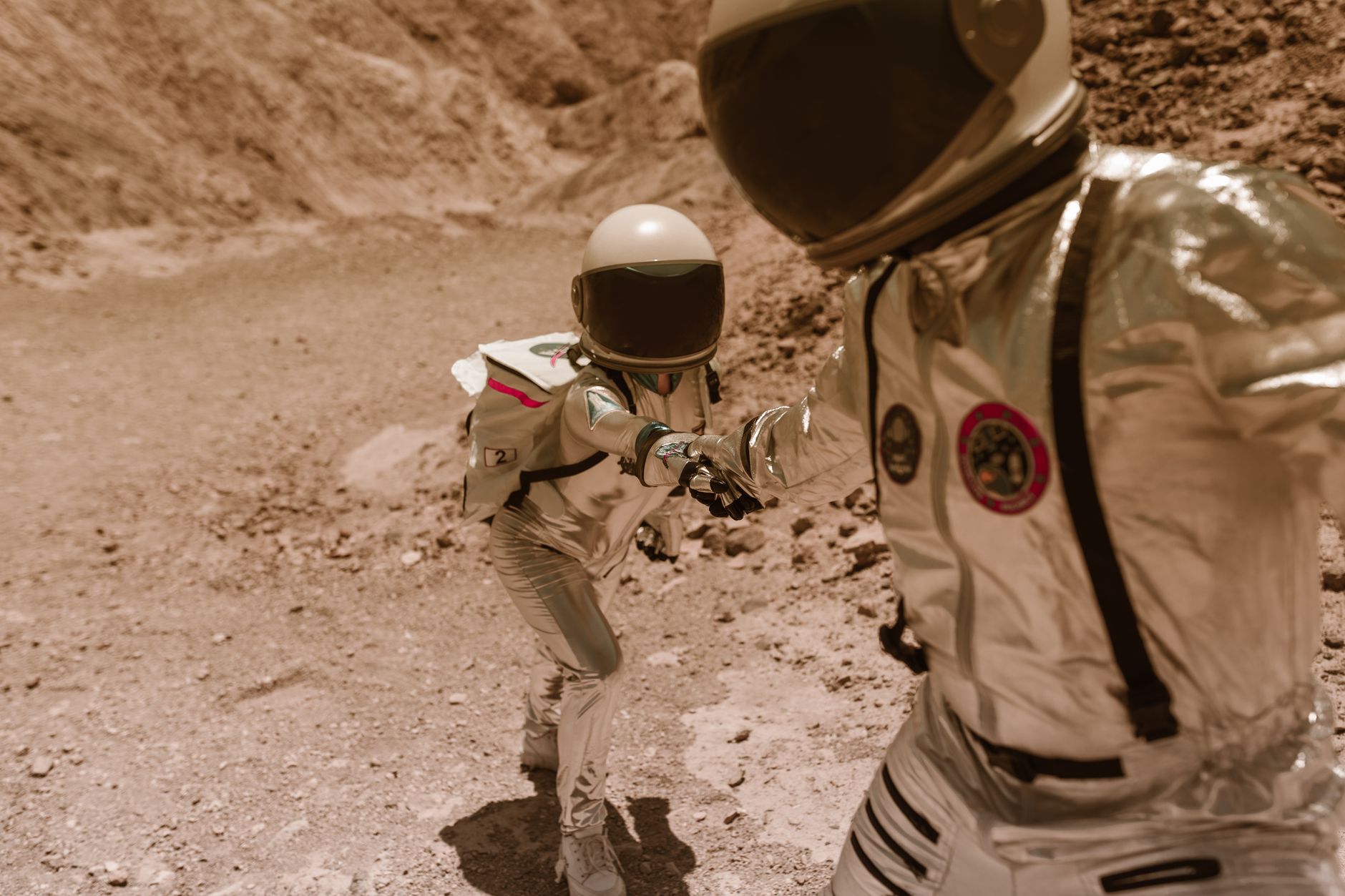
The notion of humans voyaging to Mars has long captured the imagination of scientists and the public alike. However, the practicalities of such a mission are complex, not least because of the vast distances involved. One intriguing solution that has emerged is the concept of human hibernation, akin to the way some animals endure long winters.
At present, a journey to Mars could take anywhere from six to eight months, a period fraught with potential peril. The logistical challenges of sustaining a crew for such an extended duration are immense. Supplies, life support systems, and the psychological well-being of astronauts all come into sharp focus. Here, hibernation might offer a revolutionary approach.
The Science of Slumber
Hibernation in animals involves a significant decrease in metabolic rate, allowing them to survive on limited resources. Translating this concept to humans is no small task, yet researchers are optimistic. By inducing a state of torpor, where the body's metabolic processes slow dramatically, the journey to Mars could become more feasible.
Not only would hibernation reduce the amount of food, water, and oxygen required, but it could also minimise the psychological stresses associated with confinement and isolation. The European Space Agency (ESA) is actively investigating the potential of 'suspended animation' for future missions, drawing on both medical and technological expertise.
Challenges and Considerations
Despite its promise, the concept of human hibernation is fraught with challenges. The foremost of these is ensuring the safety of astronauts during the process, as the human body is not naturally equipped to hibernate. Medical interventions would be necessary to control body temperature and prevent muscle atrophy.
Moreover, the ethical implications of such procedures cannot be overlooked. The potential risks to human life require exhaustive research and testing before any application in space travel. Nonetheless, as technology advances, the dream of hibernating our way to Mars seems less like science fiction and more a plausible scientific endeavour.
As the world watches, the journey to Mars continues to be a beacon of human ambition. Whether through hibernation or other innovative means, the prospect of setting foot on the Red Planet edges ever closer.