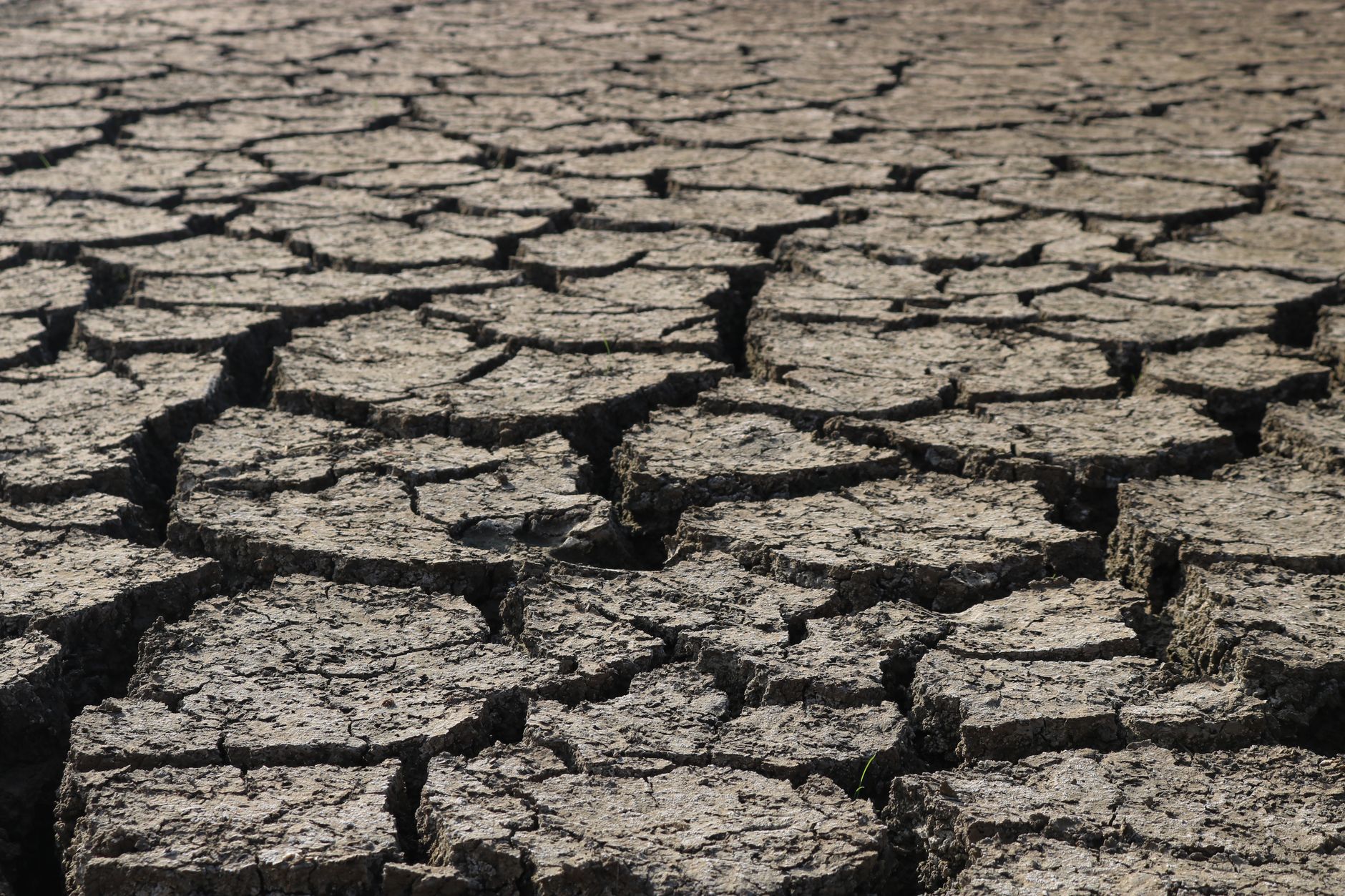
Courts Crack Down on Environmental Violations Amid Rising Concerns
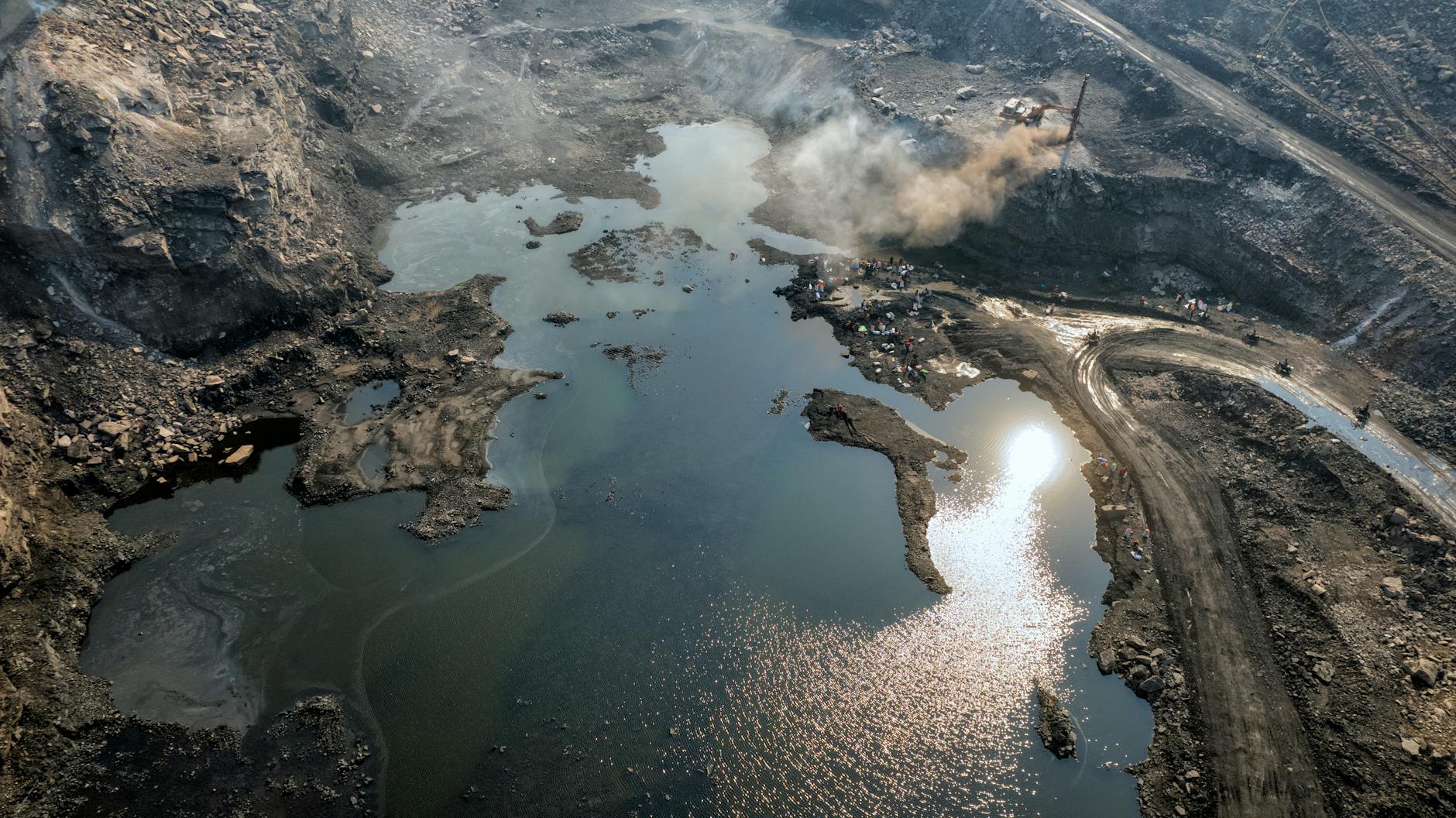
In an era where ecological concerns loom large, the Indian judiciary has once again demonstrated its commitment to environmental protection. On 18 May 2026, a series of landmark decisions were handed down by the Supreme Court, high courts, and the National Green Tribunal, targeting some of the most pressing issues facing the nation's environment today.
A particularly noteworthy case involved the rampant illegal sand mining along the banks of the Barakar River. This practice, often conducted with little regard for existing regulations, has been a thorn in the side of environmentalists. The courts reiterated the necessity of adhering to the Sustainable Sand Mining Guidelines, 2016, which aim to mitigate the ecological damage caused by indiscriminate sand extraction.
Pollution Near Educational Institutions
Another significant ruling addressed the environmental hazards posed by pollution surrounding educational institutions. Schools and universities, meant to be sanctuaries of learning, are increasingly besieged by air pollution, noise, and poor sanitation. The courts have now mandated stricter enforcement of the Environment Protection Act, 1986, to ensure that the health and focus of students are not compromised.
These rulings come at a time when the impact of environmental neglect is becoming increasingly apparent. With rising temperatures and declining air quality, there is an urgent need to enforce compliance with environmental laws to safeguard the future.
The Balance Between Development and Sustainability
The judiciary's actions underscore the delicate balance between fostering development and preserving natural resources. As India continues on its path of rapid industrialisation, such judicial interventions are likely to play a critical role in steering the country towards a more sustainable future.
While these decisions mark a step forward, the real challenge lies in their implementation. Ensuring that violators are held accountable and that the rules are followed stringently will require concerted efforts from both the government and civil society. As the courts have shown, the time for action is now.