Courts Tackle Environmental Challenges with Landmark Rulings
In an era where environmental issues are increasingly taking centre stage, the Indian judiciary once again demonstrated its commitment to ecological preservation. On 12 May 2026, several landmark rulings were pronounced, addressing a range of environmental infractions with far-reaching implications.
Among the most notable was the National Green Tribunal's (NGT) decision concerning Oil India's extended reach drilling operations in the Dibru Saikhowa National Park. The tribunal expressed concern over potential ecological disturbances in this biodiversity hotspot, demanding stringent environmental safeguards before any progress.
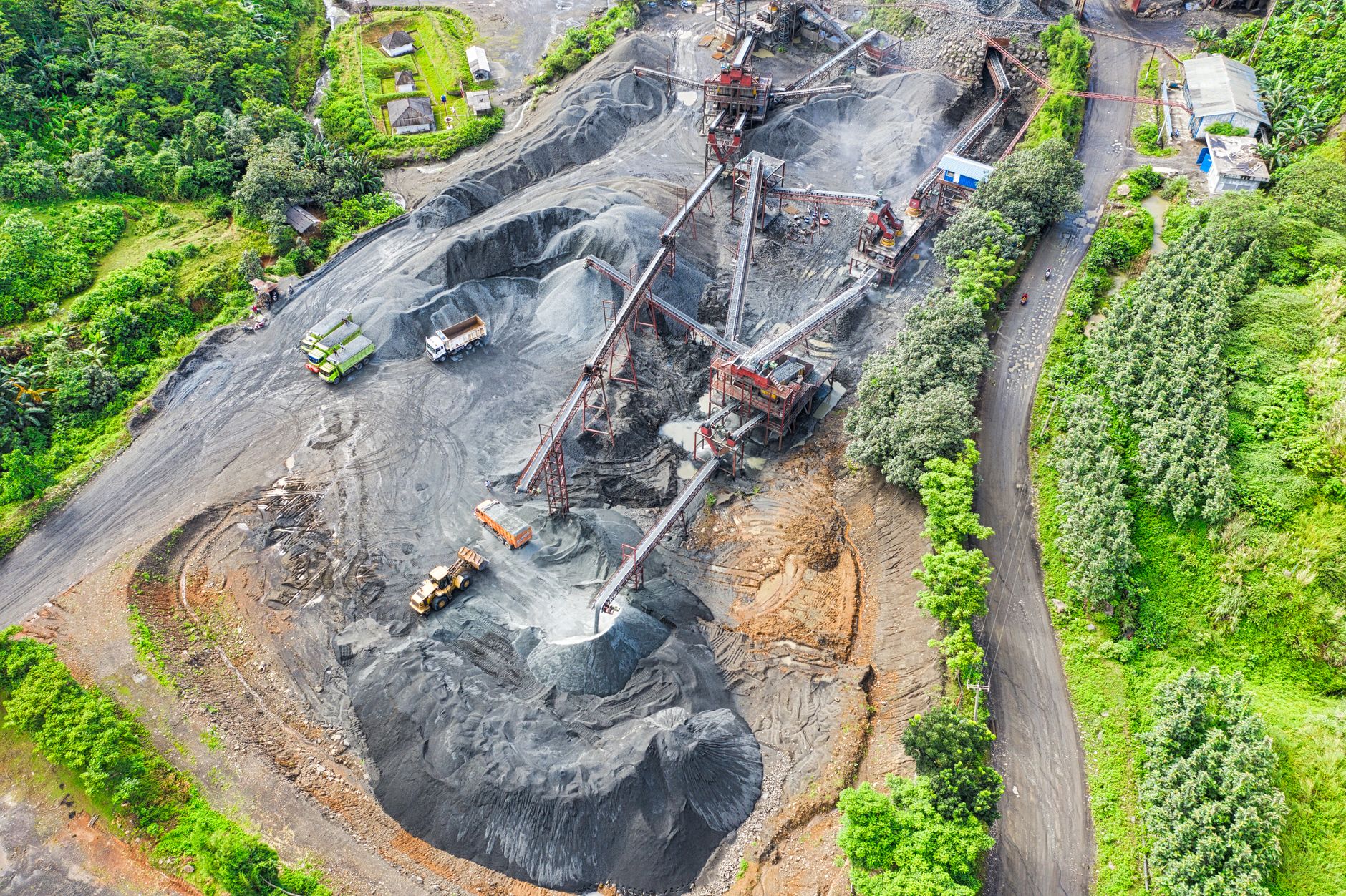
Meanwhile, the Central Pollution Control Board (CPCB) released damning findings on toxic effluents from the Sukinda Valley chromite mines, prompting immediate corrective directives. This follows a longstanding issue with the region's water quality, affecting both human and wildlife health.
Equally significant was the action taken against Ultratech Cement's Bichhapuri coal mine. The judiciary mandated enhanced groundwater recharge initiatives, reflecting an acute awareness of India's water scarcity challenges. This aligns with broader efforts to ensure sustainable water management practices across industrial operations.
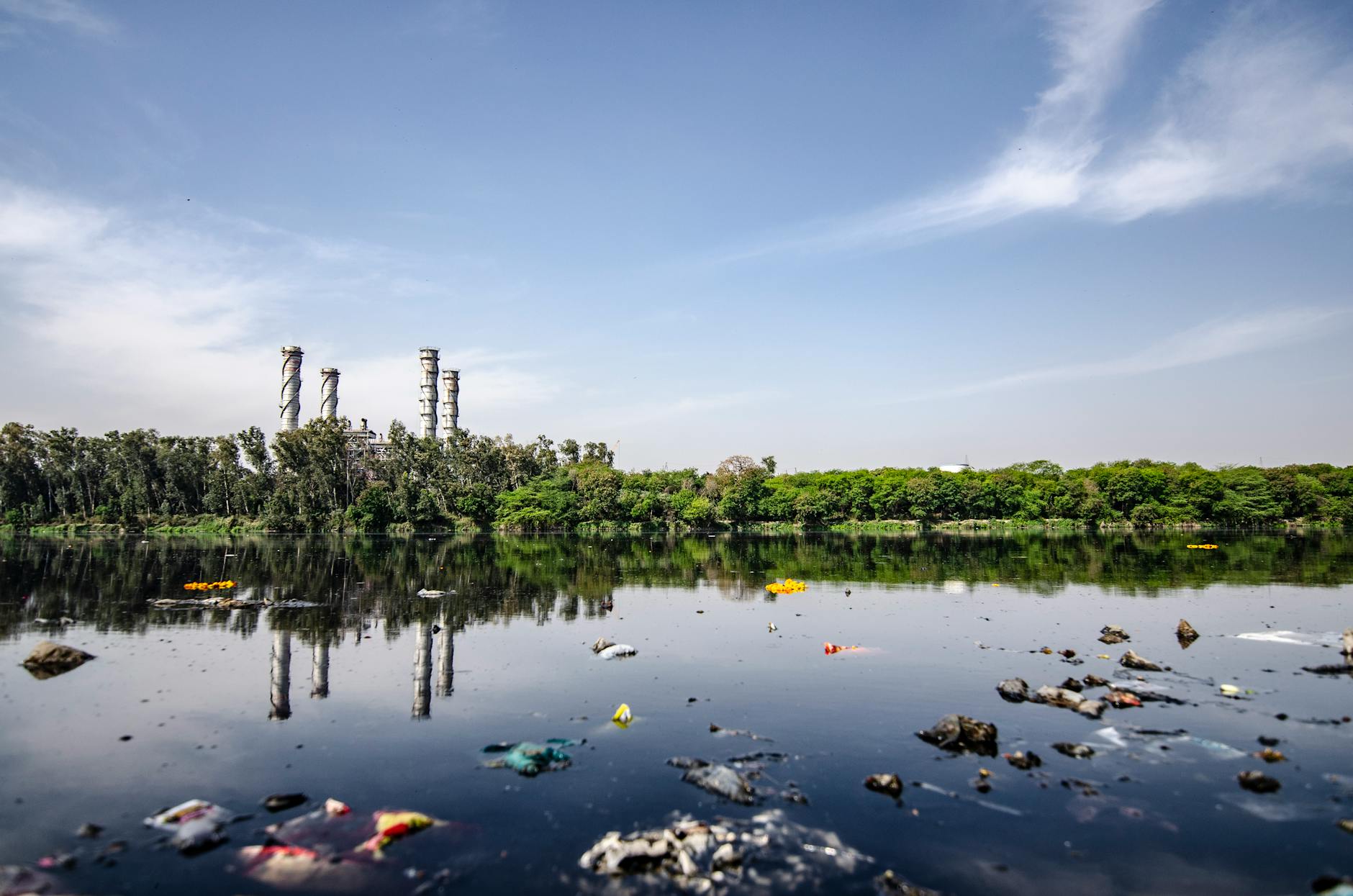
In a separate case, the NGT halted unauthorised dumping and construction activities at Nehru Park in Kullu, citing violations of solid waste management norms. A joint probe has been ordered to assess the extent of the damage and recommend remedial measures.
These rulings illustrate the courts' proactive role in tackling environmental degradation. By enforcing compliance with existing laws and demanding accountability, the judiciary is not only protecting the environment but also reinforcing the legal framework intended to preserve India's natural heritage.