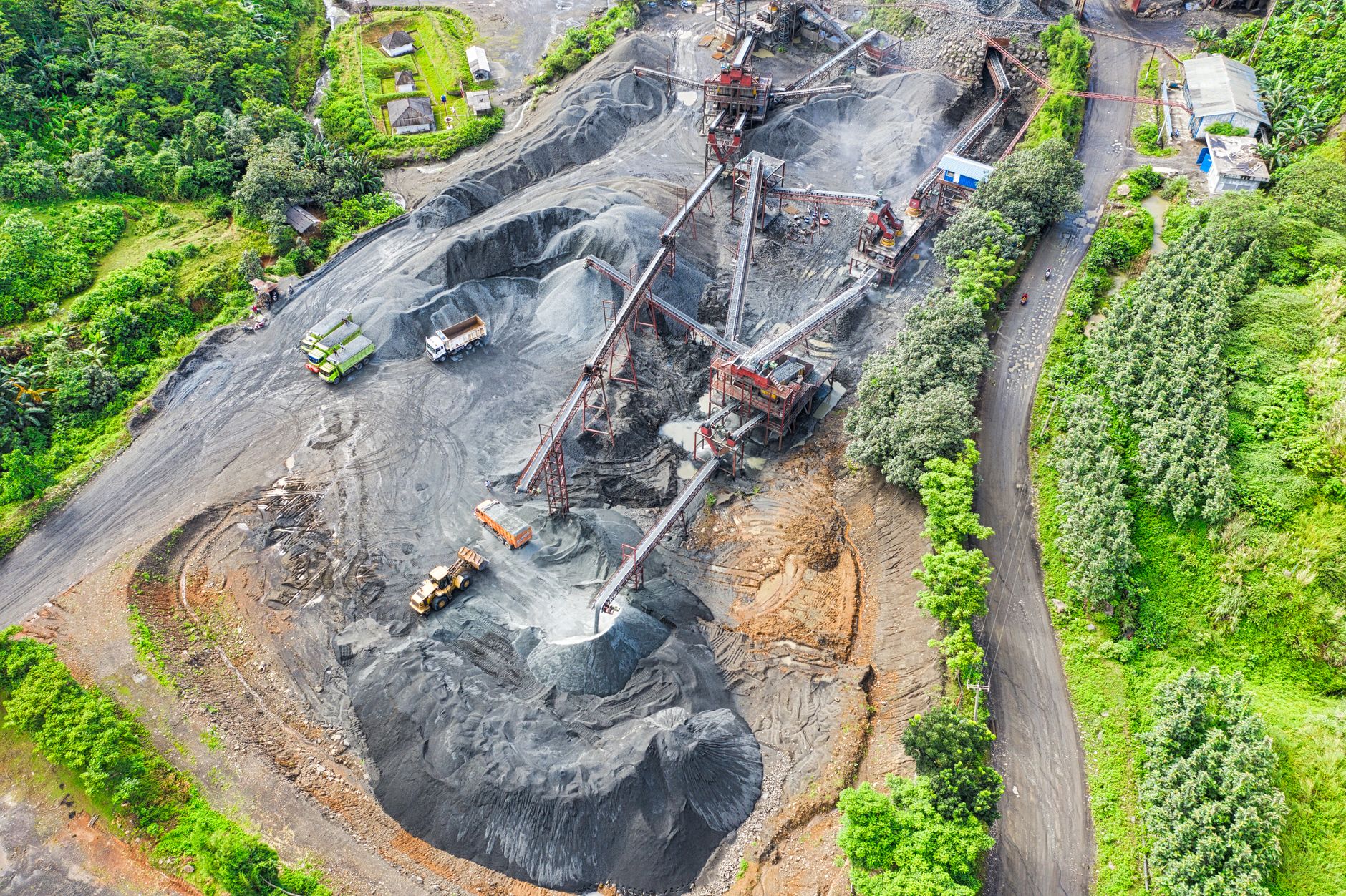
Courts Tackle Environmental Menaces: May 2026 Highlights
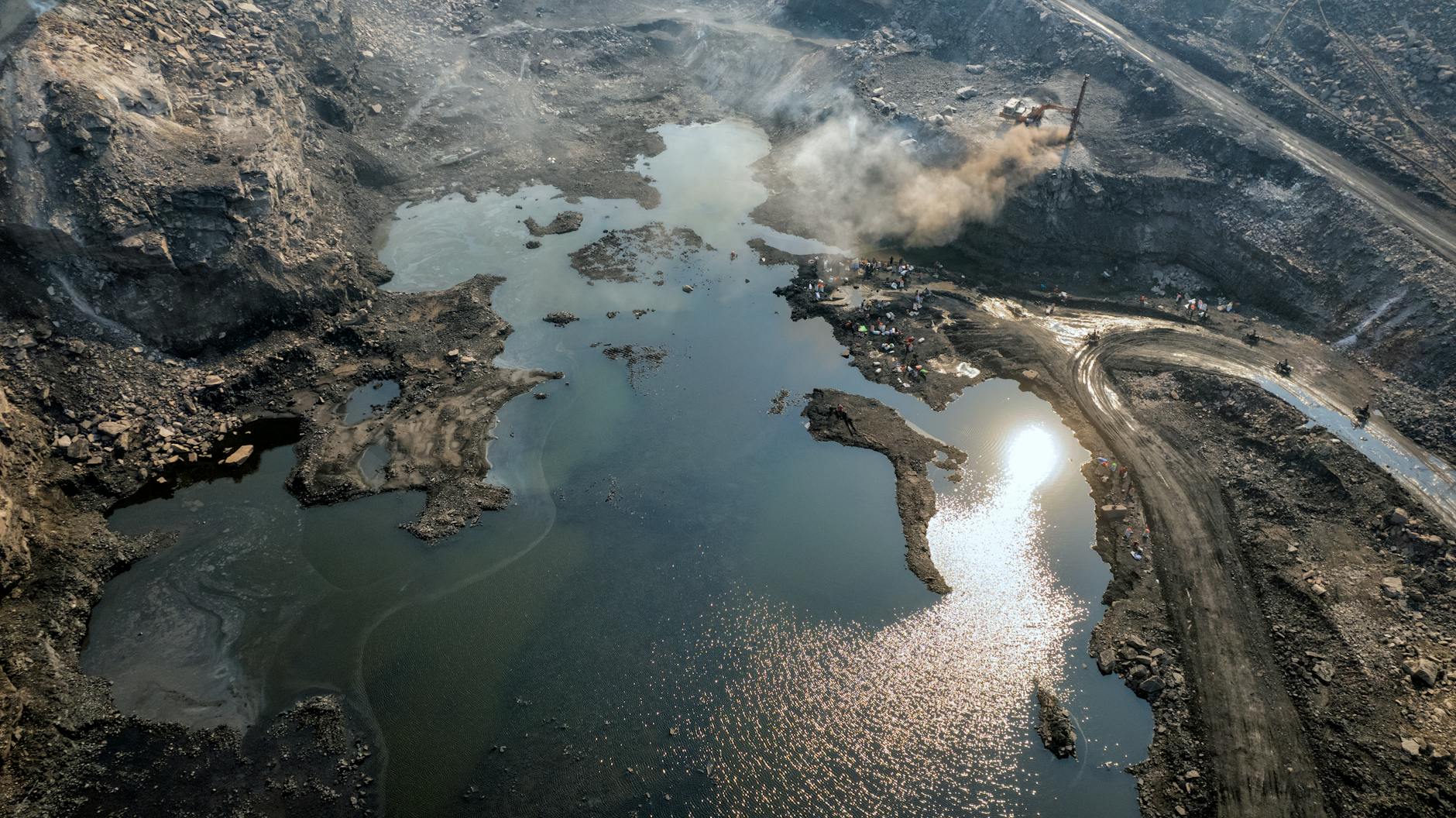
In a week that underscored the judiciary's pivotal role in environmental governance, courts across India delivered significant orders addressing some of the most pressing ecological concerns. From illegal sand mining in the Barakar River to pollution plaguing educational institutions, these decisions reflect a growing judicial impatience with lax regulatory compliance.
The Supreme Court took a stern view on the issue of illegal sand mining, particularly in the Barakar River, where rampant extraction has threatened local ecosystems. The court emphasised the necessity of adhering to the Sustainable Sand Mining Guidelines, 2016, urging state governments to enforce stringent measures.
Meanwhile, the National Green Tribunal (NGT) addressed the issue of pollution around schools. The tribunal recognised that air pollution, high temperatures, and noise significantly impact students' health and learning environments. It called for immediate intervention to ensure healthier surroundings for students, stressing the government's obligation under the Environment Protection Act, 1986.
Impact on Policy and Compliance
These rulings underscore a broader judicial trend: a shift from mere advisories to enforceable orders. The courts are increasingly impatient with bureaucratic inertia that often hinders environmental progress. As illegal activities like unregulated mining continue unabated, judicial interventions have become a crucial line of defence.
For instance, the Supreme Court's demand for compliance with existing guidelines on sand mining highlights a need for consistent policy enforcement. Similarly, the NGT's focus on educational institutions serves as a reminder of the holistic approach needed to tackle environmental challenges.
The decisions this week are not just about punishing wrongdoers; they signify a clarion call for systemic change. They advocate for a future where environmental laws are not merely decorative statutes but active instruments of change.