Datacentre Delays Cast Shadow Over AI's Global Aspirations
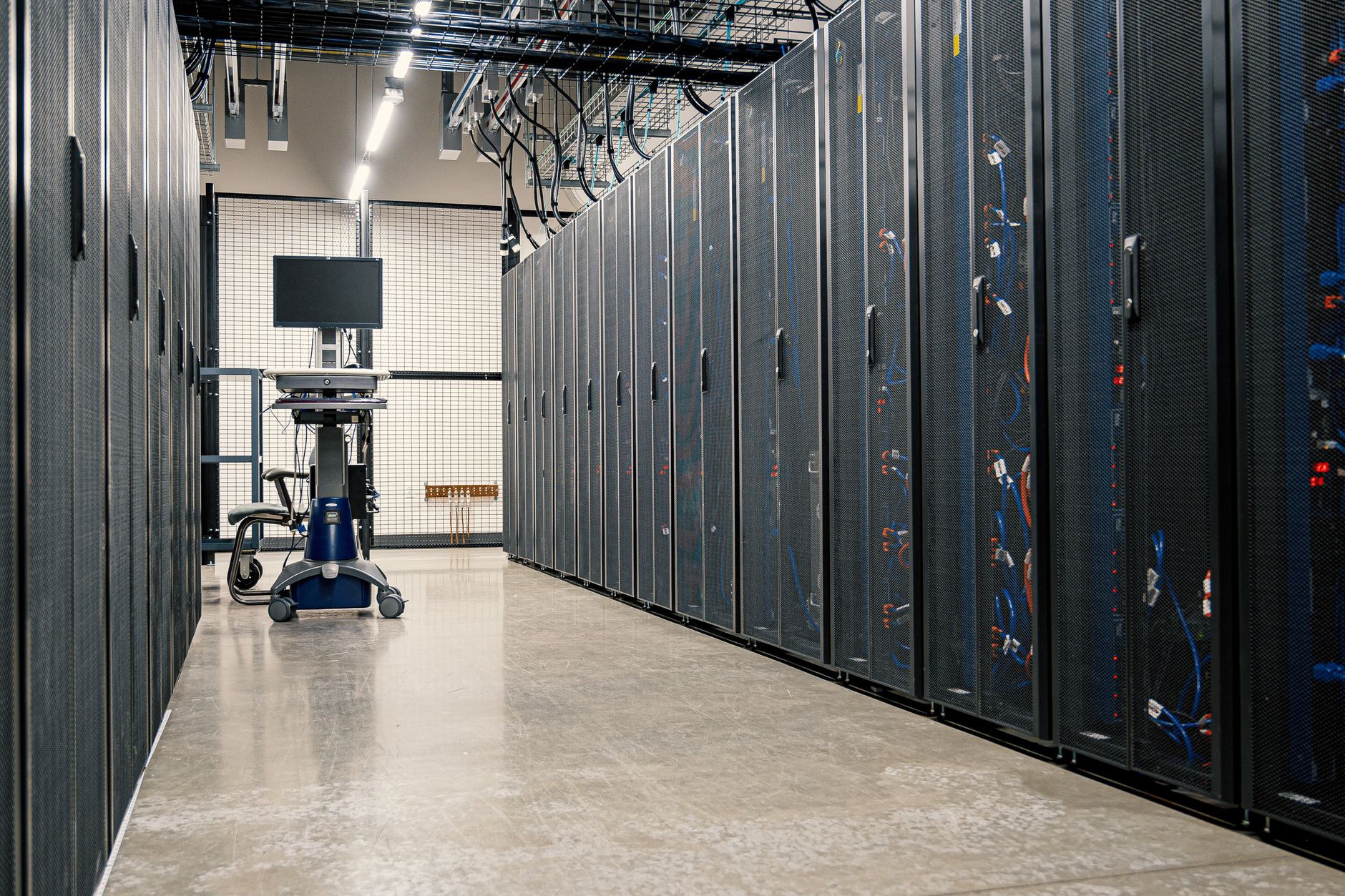
In an era where artificial intelligence is often heralded as the next industrial revolution, one might expect the biggest challenges to be found in the realms of technology and talent. However, it seems that the true obstacle lies not in the silicon chips or the brains behind them, but rather in the bricks and mortar of datacentres themselves.
Across the globe, ambitious plans for new datacentres are being stymied by a confluence of issues. Chief among these are power shortages and outdated infrastructure. As the demand for AI capabilities surges, so too does the need for the energy-hungry datacentres that support them. Yet, power grids, some designed decades ago, are struggling to keep pace.
The Global Picture
In the United States, reports indicate that nearly half of planned datacentre projects for 2026 are either delayed or cancelled. This is not merely a domestic issue. From Europe to Asia, similar stories are emerging. In the UK, local councils are increasingly hesitant to approve large-scale projects, citing environmental concerns and community opposition.
Meanwhile, in Asia, rapid urbanisation and existing strains on power supplies are complicating efforts to expand datacentre capabilities. The problem is not one of ambition or investment. Rather, it is the physical and logistical realities of power supply and infrastructure that are proving to be formidable hurdles.
Why It Matters
The implications of these delays are profound. Datacentres are the backbone of AI technology. They process vast amounts of data, enabling everything from predictive analytics to advanced machine learning. Without the necessary infrastructure, the pace of AI development could falter, impacting industries that rely on these advancements.
Moreover, the delays could have a ripple effect on global tech investments. Companies may be forced to reassess their AI strategies, potentially leading to a shift in the balance of technological power worldwide.
As the world stands on the brink of what many consider the AI age, the question remains: can the physical infrastructure catch up with the digital ambitions? For now, the race against time continues, with datacentres at the heart of the challenge.