Debate Ignites Over Chief Minister's Role in Tamil Nadu Universities
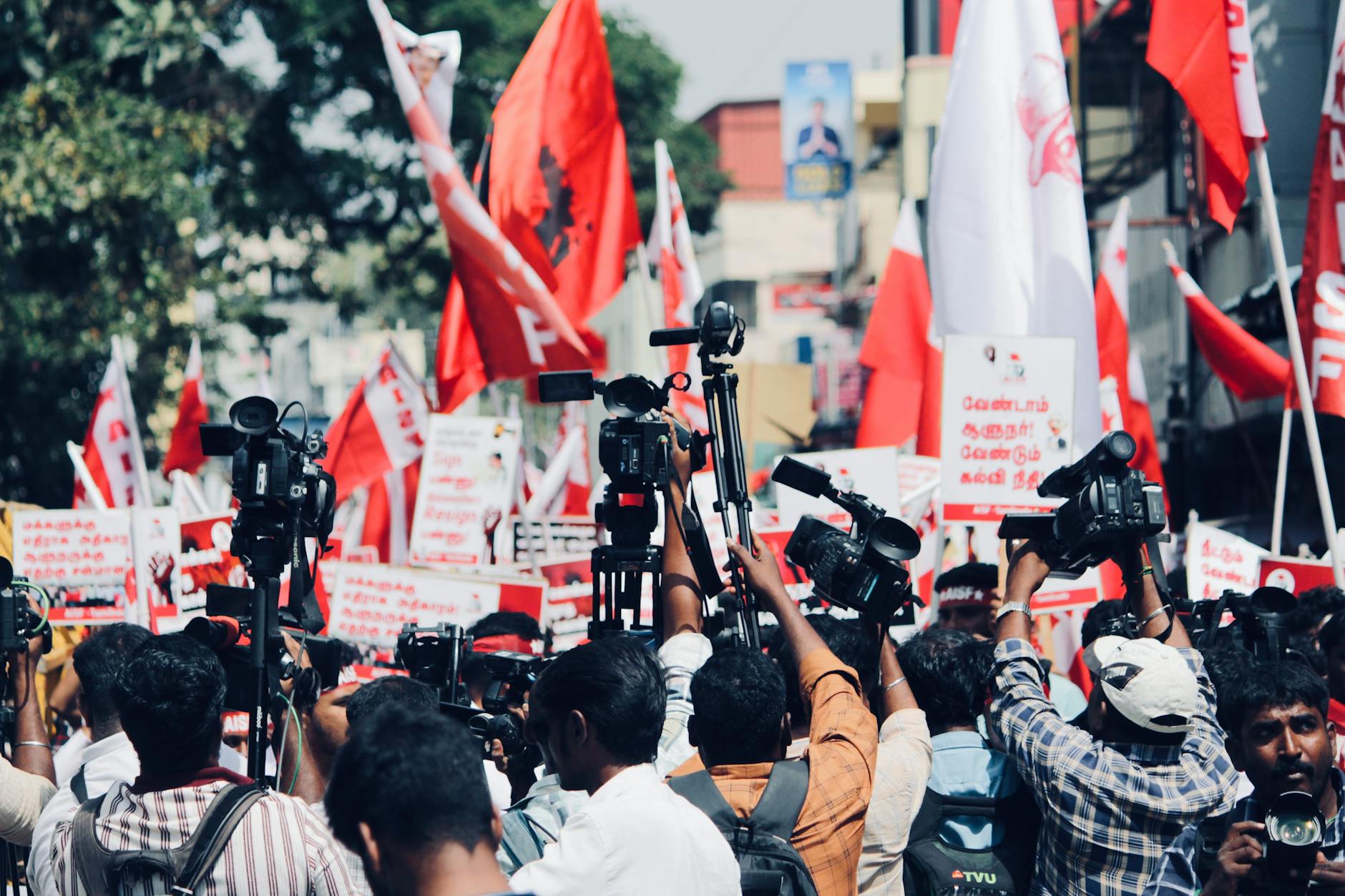
In a statement that is rapidly gaining traction, Tamil Nadu's Higher Education Minister, P. Viswanathan, has posited that the Chief Minister need not be the Chancellor of the state's universities. This suggestion, made in Madurai, has stirred the political pot, drawing swift criticism from the Viduthalai Chiruthaigal Katchi (VCK).
The declaration signals a potential shift in the governance of higher education institutions in Tamil Nadu, traditionally influenced by the state's Chief Minister. The move is seen by some as an attempt to decentralise authority and promote academic independence, though it has not been universally welcomed.
A Divisive Proposal
Viswanathan's remarks have sparked a debate over the balance of power within the state's educational framework. Historically, the role of Chancellor has been held by the Chief Minister, a position supported by the argument that it aligns with democratic principles, given the Chief Minister's direct election by the populace.
However, critics argue this centralises too much power in one office and stifles the autonomy of educational institutions. The VCK, a party known for its robust advocacy of minority rights, has voiced strong objections, accusing the minister of undermining established protocols.
Political Ripples
This controversy comes amid a backdrop of political tension. The DMK, the ruling party, recently made a sardonic remark about the VCK and IUML's alliance with the Tamilaga Vettri Kazhagam-led government. The VCK, not one to shy away from confrontation, was quick to retort, highlighting its independence.
The larger question that emerges from this fracas is about the future direction of higher education in Tamil Nadu. Will the state embrace a model where universities enjoy greater independence, or will the traditional structures of control prevail?
For now, the debate rages on, with stakeholders on all sides eager to influence the outcome. As the discourse continues, it is clear that the intersection of education and politics in Tamil Nadu remains as dynamic and contentious as ever.