Delhi Court Intervenes as Activist Wangchuk's Health Declines
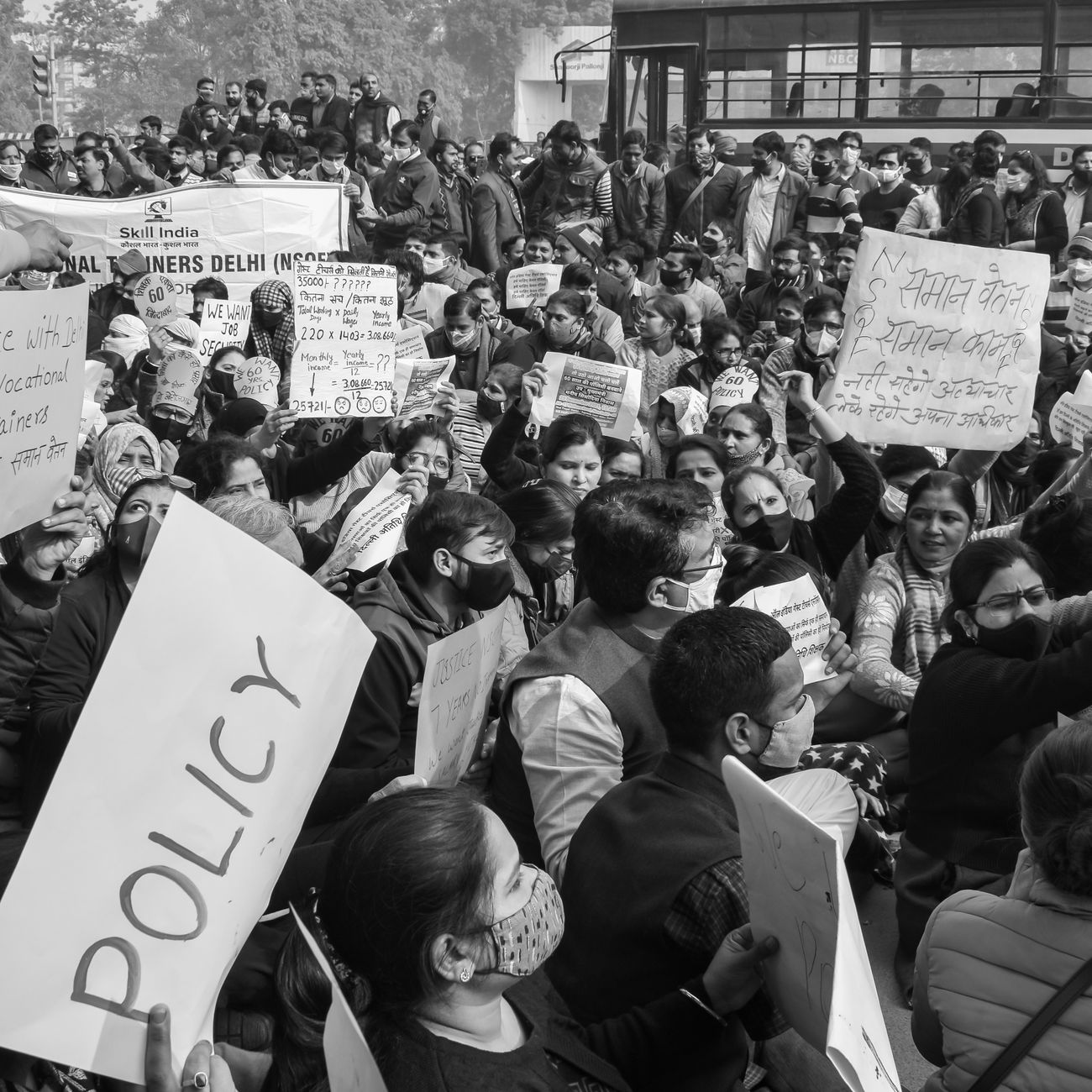
In the heart of New Delhi, amidst the bustling chaos of Jantar Mantar, Sonam Wangchuk lies on his 19th day of an indefinite hunger strike. His protest, a poignant critique of the education ministry's persistent shortcomings, has now taken a grave toll on his health. The Delhi High Court, recognising the severity of the situation, has stepped in, ordering both the Union and Delhi governments to closely monitor Wangchuk's health.
The court's directive comes as a necessary intervention, as Wangchuk, a seasoned activist known for his unyielding spirit, finds himself at a precarious juncture. The judges, evidently concerned, have instructed that his health be assessed daily, with prompt medical attention provided should his condition worsen further.
Striking a Balance
This move by the judiciary highlights the fine line activists often walk between fervent advocacy and personal well-being. Wangchuk's protest, while drawing attention to critical issues within the educational framework, raises questions about the extent to which individuals should sacrifice their health for a cause. The court's involvement underscores the importance of safeguarding human life, even amidst fervent political and social activism.
Wangchuk's hunger strike is not merely a personal endeavour but a broader commentary on systemic failures. His plight has sparked discussions on the responsibility of governmental bodies to address public grievances effectively. With the court's order, the spotlight is now firmly on how authorities will respond to ensure both the activist's well-being and the demands of his cause are addressed.
The Road Ahead
As the days progress, the focus will remain on Wangchuk's health and the government's response to the court's directive. This situation serves as a stark reminder of the need for dialogue and meaningful engagement between activists and policymakers. The outcome of this standoff will likely influence future interactions between civil society and governmental authorities.
For now, all eyes are on Jantar Mantar, where the intersection of protest and policy plays out against the backdrop of human endurance and judicial oversight.