Delhi Farmers Turn to Wastewater Amidst Escalating Costs
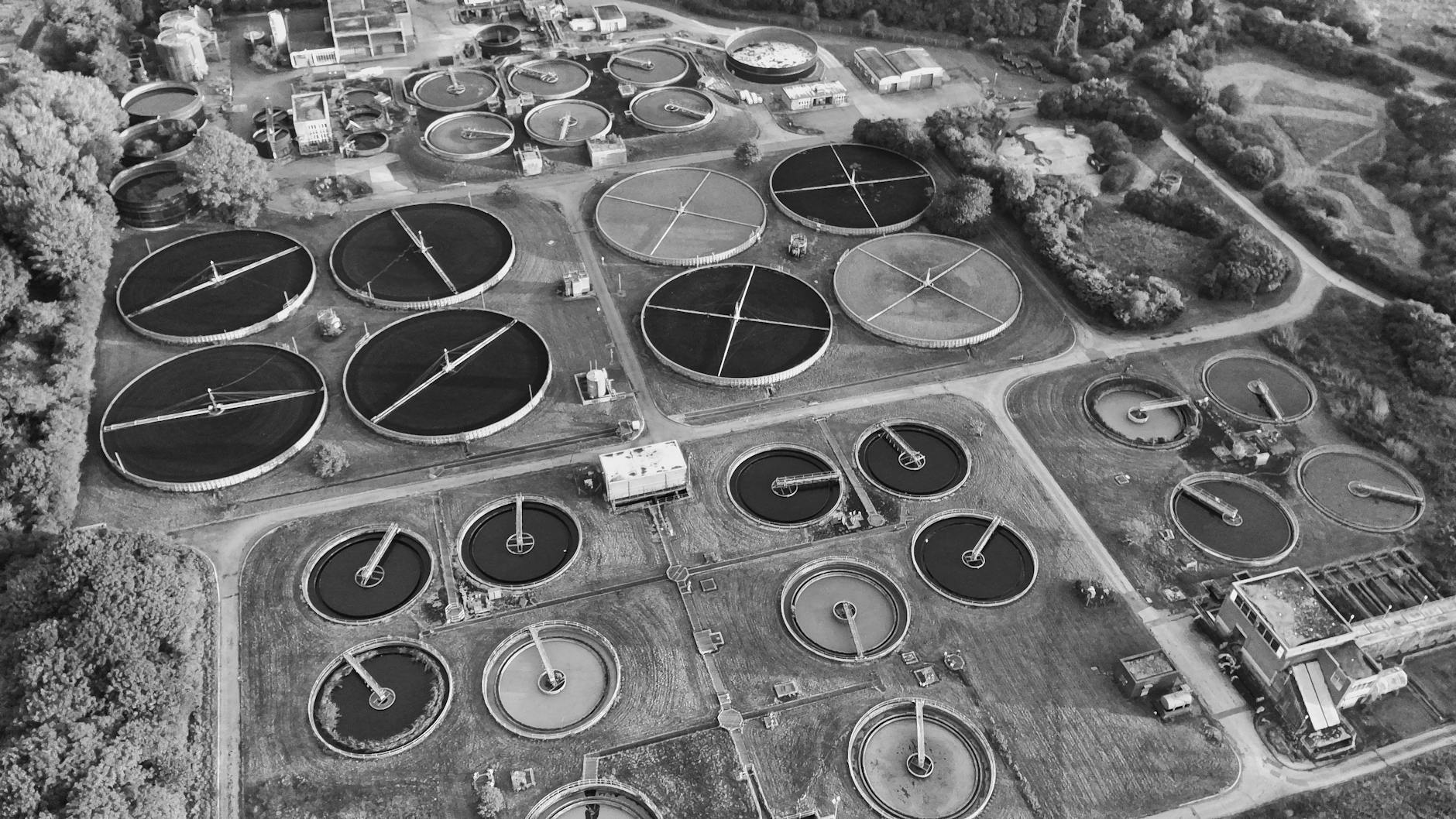
In the parched fields of rural Delhi, a silent struggle unfolds as farmers grapple with soaring input costs and dwindling water supplies. As the skies threaten another below-normal monsoon, a growing number have turned to an unlikely ally: wastewater. Despite the health risks posed by using untreated sewage to irrigate crops, economic necessity leaves them with little choice.
For many farmers, the arithmetic is stark. The cost of fuel, fertiliser, and labour has surged, driven in part by geopolitical tensions such as the US-Iran conflict. As profits shrink, the lure of free, readily available wastewater becomes hard to resist, despite the potential health hazards and environmental degradation it brings.
The Economic Squeeze
Delhi's farmers, like their counterparts in other parts of the world, face a myriad of economic pressures. Input costs have been on the rise globally, exacerbated by factors like trade policy uncertainties and market volatility. The impact is particularly acute in regions like rural Delhi, where margins are slim and resilience is tested.
Wastewater presents a pragmatic, if perilous, solution. Farmers argue that without it, their crops would fail entirely, leading to financial ruin. However, the long-term implications of such practices cannot be ignored. Crops irrigated with contaminated water can pose serious health risks to consumers and lead to soil degradation, threatening future agricultural productivity.
Seeking Sustainable Solutions
Government initiatives like the new awareness programme launching tomorrow aim to ease some of these pressures by providing support for rising agricultural costs. Yet, there is a growing call for more sustainable solutions. Investing in water management systems, subsidising clean irrigation technologies, and enhancing farmer education about the risks of wastewater could be vital steps forward.
The reliance on wastewater is a symptom of broader systemic issues that plague the agricultural sector. Addressing these challenges requires a concerted effort from policymakers, industry stakeholders, and the farmers themselves.
As the world contends with climate change and geopolitical shifts, the plight of Delhi's farmers serves as a poignant reminder of the delicate balance between economic necessity and environmental stewardship.