Delhi Imposes Hefty Environmental Charges on Commercial Vehicles
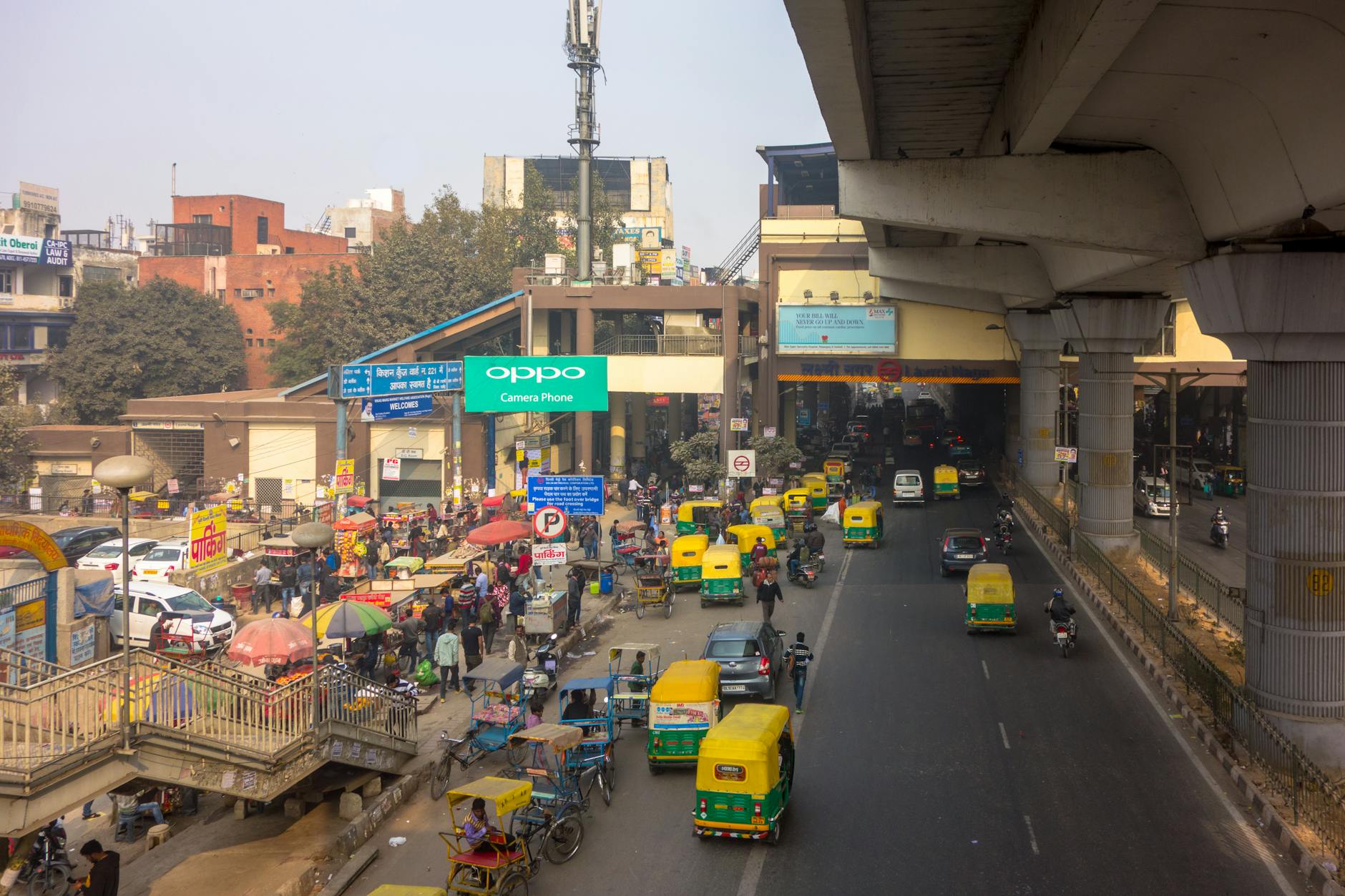
Delhi, a city perpetually grappling with the spectre of air pollution, has taken a bold step to curb vehicular emissions. The Municipal Corporation of Delhi has announced a substantial increase in the Environment Compensation Charge (ECC) for commercial vehicles entering the city. As of this month, light trucks and two-axle vehicles will be charged ₹2,000, while three-axle trucks and larger vehicles will incur a fee of ₹4,000 per entry.
This adjustment comes as part of a broader strategy to tackle the alarming air quality levels that have long plagued India's capital. The ECC, initially introduced as a deterrent for polluting vehicles, has now been significantly hiked to further discourage unnecessary commercial traffic.
Annual Incremental Increase
In an effort to ensure that the ECC remains an effective tool in the fight against pollution, the Delhi government has also instituted a policy for a 5 per cent annual increment in these charges every April. This means the financial burden on commercial vehicle operators will steadily rise, encouraging a shift towards cleaner alternatives or more economical logistics planning.
The decision has been met with mixed reactions. Environmentalists have largely welcomed the move, citing the urgent need for aggressive measures to combat Delhi's toxic air. However, logistics operators and transport companies have expressed concerns about the impact on their costs and operations. The increased charges could lead to higher goods prices, potentially affecting consumers as well.
Implications for the Future
As Delhi braces itself for the consequences of this decision, the emphasis remains firmly on reducing pollution levels. The ECC hike is expected to be a catalyst for broader changes in how goods are transported across the city. It's a clear signal from the authorities that the status quo is no longer sustainable.
With air pollution contributing to severe health issues, including respiratory diseases and reduced life expectancy, the stakes could not be higher. The hope is that these financial disincentives will stimulate innovation within the transport sector, propelling a transition towards greener vehicles.
Whether these measures will significantly improve Delhi's air quality remains to be seen, but the message is clear: the capital is committed to cleaning up its act.