Delhi's Ambitious Economic Vision: CM Rekha Gupta at NDTV Conclave
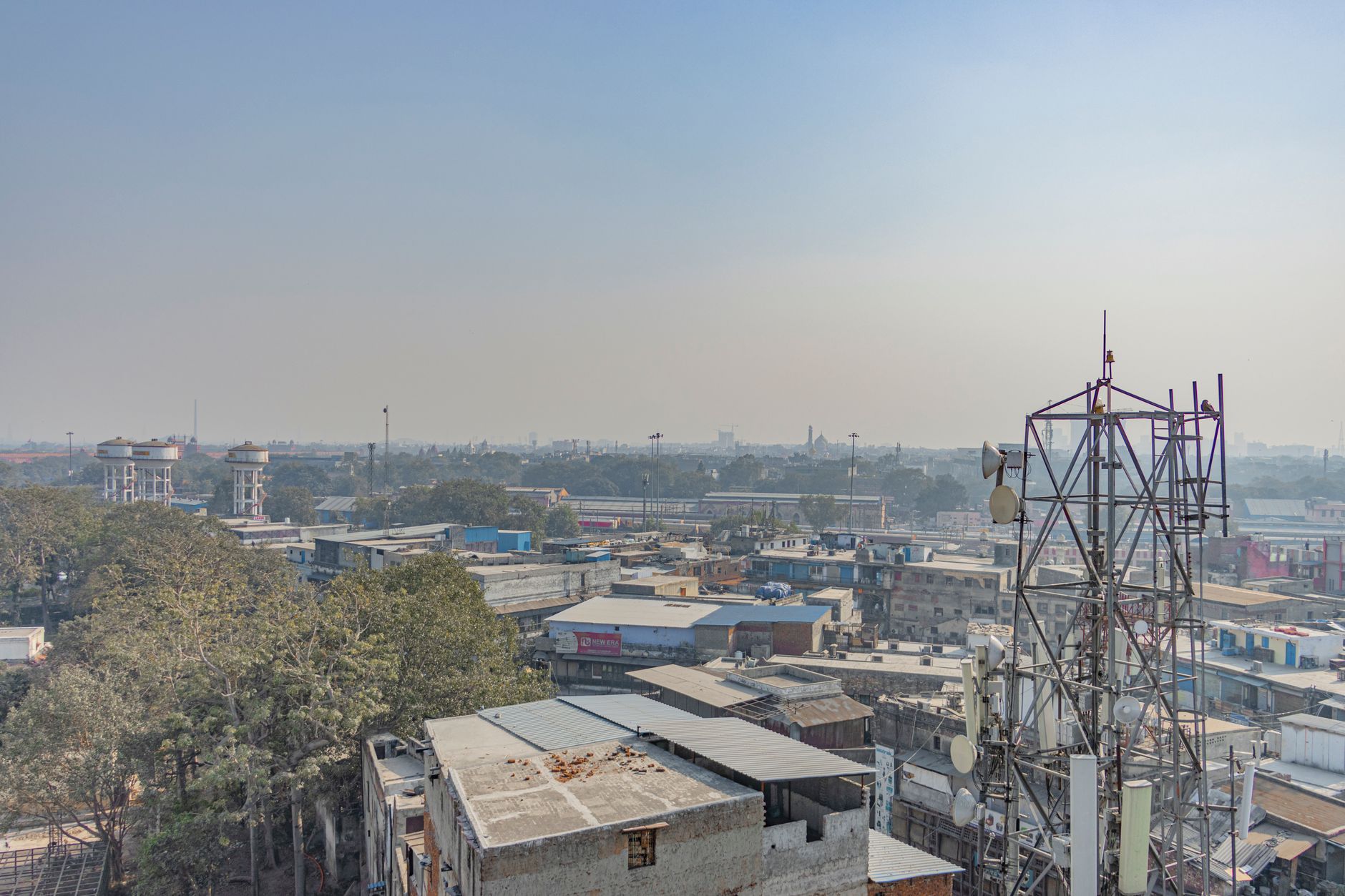
In a city bustling with potential and ambition, Delhi’s Chief Minister Rekha Gupta took the stage at the NDTV Emerging Business Conclave 2026, painting a vivid portrait of the capital as the driving force behind India's economic future. Her address, titled 'Delhi@2047: India’s Growth Capital,' underscored the vital role the city could play as a national economic engine.
Gupta’s vision hinges on leveraging Delhi's existing strengths in services, technology, and entrepreneurship. She highlighted how the capital's robust infrastructure and strategic location make it an ideal hub for business and innovation. 'We are not just planning for the next decade; we are laying the foundation for the next century,' she remarked, setting a formidable tone for the discussions.
The Role of MSMEs and Technology
Central to her strategy is the empowerment of micro, small, and medium enterprises (MSMEs). These businesses, she pointed out, are the lifeblood of Delhi's economy, contributing significantly to employment and innovation. Gupta emphasised the need for policies that support these enterprises in accessing finance and technology, thus enabling them to compete on a global stage.
Technology and digitisation, according to Gupta, are the keystones of this economic transformation. By fostering a digital ecosystem, Delhi can streamline governance and enhance service delivery, making the city more attractive to investors and entrepreneurs alike. 'We envision a Delhi where technology bridges gaps, creating opportunities for all,' she declared.
Sustainable Development and Strategic Partnerships
While growth is the goal, sustainability remains a core component of Gupta's plan. With increasing urbanisation, the Chief Minister stressed the importance of environmentally conscious development. 'Our progress must not come at the expense of our planet,' she cautioned, advocating for green technologies and sustainable urban planning.
Strategic partnerships, both domestic and international, are also pivotal. Gupta called for collaboration with global cities and multinational corporations to exchange knowledge and resources. Such alliances, she argued, would be instrumental in positioning Delhi as a global economic powerhouse.
As the conclave concluded, it was clear that Gupta's vision for Delhi is ambitious yet grounded in practicality. With a focus on innovation, sustainability, and inclusivity, she has laid out a roadmap that, if realised, could indeed transform Delhi into a cornerstone of India’s economic future.