Delhi's Bold EV Move: Impact on Two-Wheelers and Repair Shops
In a move set to reshape Delhi's transportation future, the city's latest Electric Vehicle (EV) Policy 2.0 has drawn a line in the sand. By 2028, the registration of new petrol and CNG two-wheelers will be shelved, making way exclusively for electrics. For a city where two-thirds of vehicles on the road are two-wheelers, the implications are profound.
The policy is ambitious, offering purchase incentives of up to ₹30,000 for electric two-wheelers and significant upgrades to the city's charging infrastructure. With plans to install 23,000 charging points, the capital is gearing up for a new era of sustainable mobility.
Challenges for Legacy Two-Wheelers
For owners of traditional two-wheelers, the policy heralds a time of transition. While the incentives may sweeten the deal for some, others face the daunting prospect of shifting away from petrol and CNG vehicles entirely. This transition is not merely about changing vehicles; it's a cultural shift in a city where the two-wheeler has become a symbol of independence and convenience.
Impact on Repair Shops
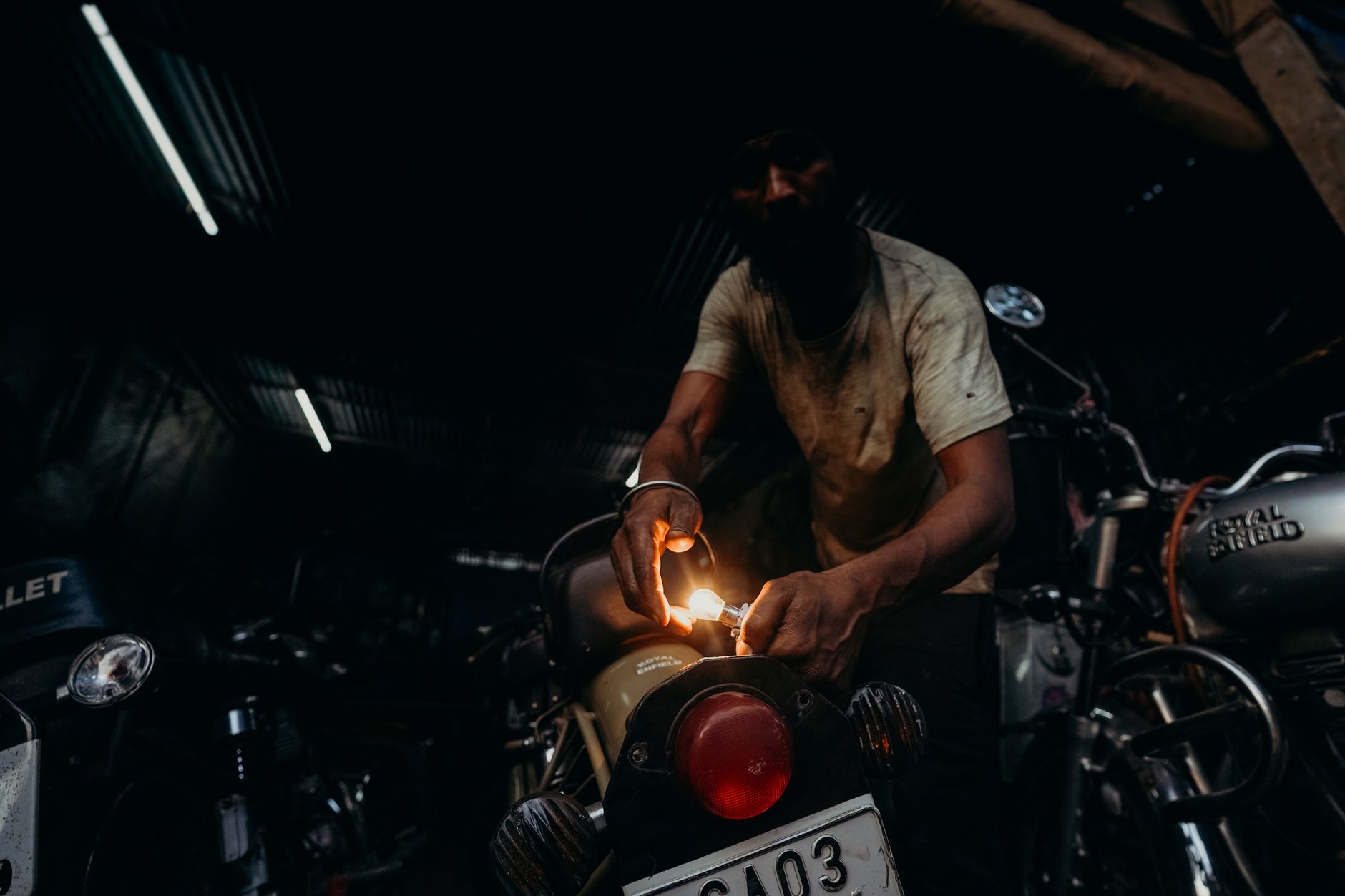
Perhaps more concerning is the policy's impact on repair shops. The conventional mechanics, long familiar with the hum of petrol engines, must now adapt to the silent swoosh of electric motors. The industry will need to pivot swiftly, investing in new tools and training to service the emerging fleet of electric vehicles.
While some see this as a threat, others recognise an opportunity. Those repair shops quick to embrace the change may find themselves at the forefront of a burgeoning new market. However, the transition will not be without its hurdles, as the skills required for maintaining electric vehicles differ significantly from those for traditional engines.
Delhi's EV Policy 2.0 is not merely an environmental initiative; it's a social and economic challenge that will test the flexibility of the city's automotive ecosystem. Whether this bold strategy can steer Delhi towards a cleaner, greener future will be closely watched by other Indian states contemplating their own electric revolutions.