Delhi's New ECC Hike: A Blow to Commercial Vehicle Operators
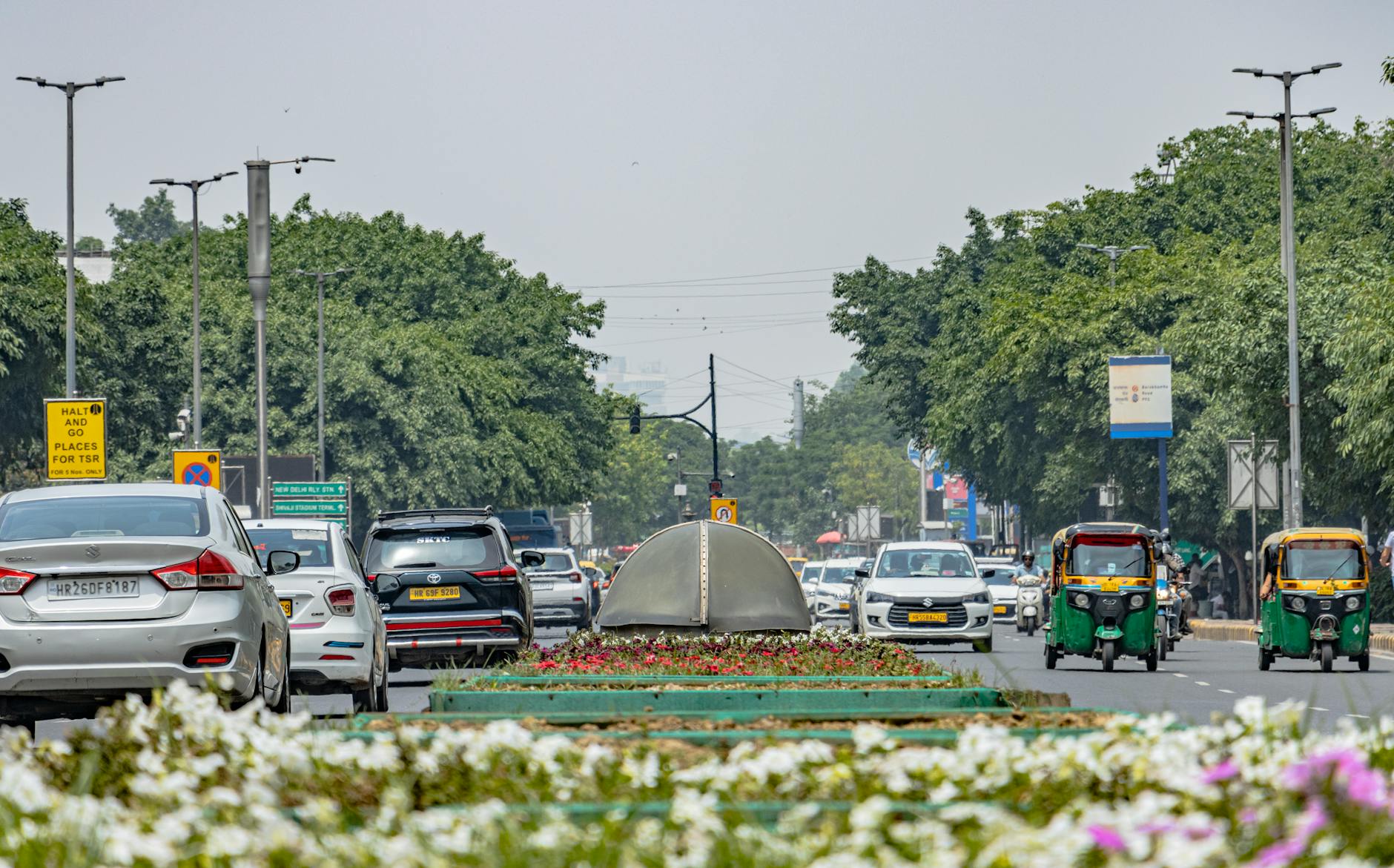
In what could be seen as a significant stride towards combating Delhi's notorious air pollution, the Delhi government has announced a hike in the Environmental Compensation Charge (ECC) for commercial vehicles entering the capital. The increase, sanctioned by the apex court of the country, underscores a determined effort to deter the incessant flow of polluting diesel-powered vehicles.
A Necessary Step
The ECC, initially introduced in 2015, serves as a deterrent against pollution caused by freight vehicles. It is levied on top of the standard toll fees collected by the Municipal Corporation of Delhi. The funds gathered are earmarked for pollution-control initiatives, a critical need for a city grappling with hazardous air quality.
This latest move mandates a 5% annual increase in the ECC, effective every April. While this is expected to encourage the adoption of cleaner alternatives, it inevitably raises costs for operators of heavy and light commercial vehicles, including trucks, vans, and dumpers.
Impact on Stakeholders
For the operators, the hike is likely to pose a financial burden. However, environmental experts argue that the long-term benefits outweigh the immediate inconveniences. Cleaner air equates to healthier living conditions, which is a pressing priority given Delhi's alarming pollution levels.
Moreover, the government hopes this will accelerate the shift towards electric and other non-polluting vehicle options. The challenges, however, lie in ensuring the availability of infrastructure to support such a transition.
Transport associations have voiced concerns, calling for a balanced approach that considers the economic implications for small operators. The dialogue between stakeholders and policymakers remains crucial as the city navigates this complex issue.