Delhi's New EV Policy: A Challenge for Traditional Two-Wheelers
As Delhi unveils its ambitious Electric Vehicle (EV) Policy 2.0, the city's streets are poised for a transformation. While the policy champions a reduction in pollution and a shift to sustainable transport, it has stirred a hornet's nest among traditional two-wheeler manufacturers and repair shops.
The new policy, which aims to replace a significant number of fossil-fuelled vehicles with electric ones, could spell the end of the road for many legacy two-wheelers. Manufacturers of these traditional bikes, some of whom have been industry stalwarts for decades, now face an existential crisis. The transition could render a large swath of their production lines obsolete, unless they pivot swiftly towards electric alternatives.
A New Era for Repair Shops
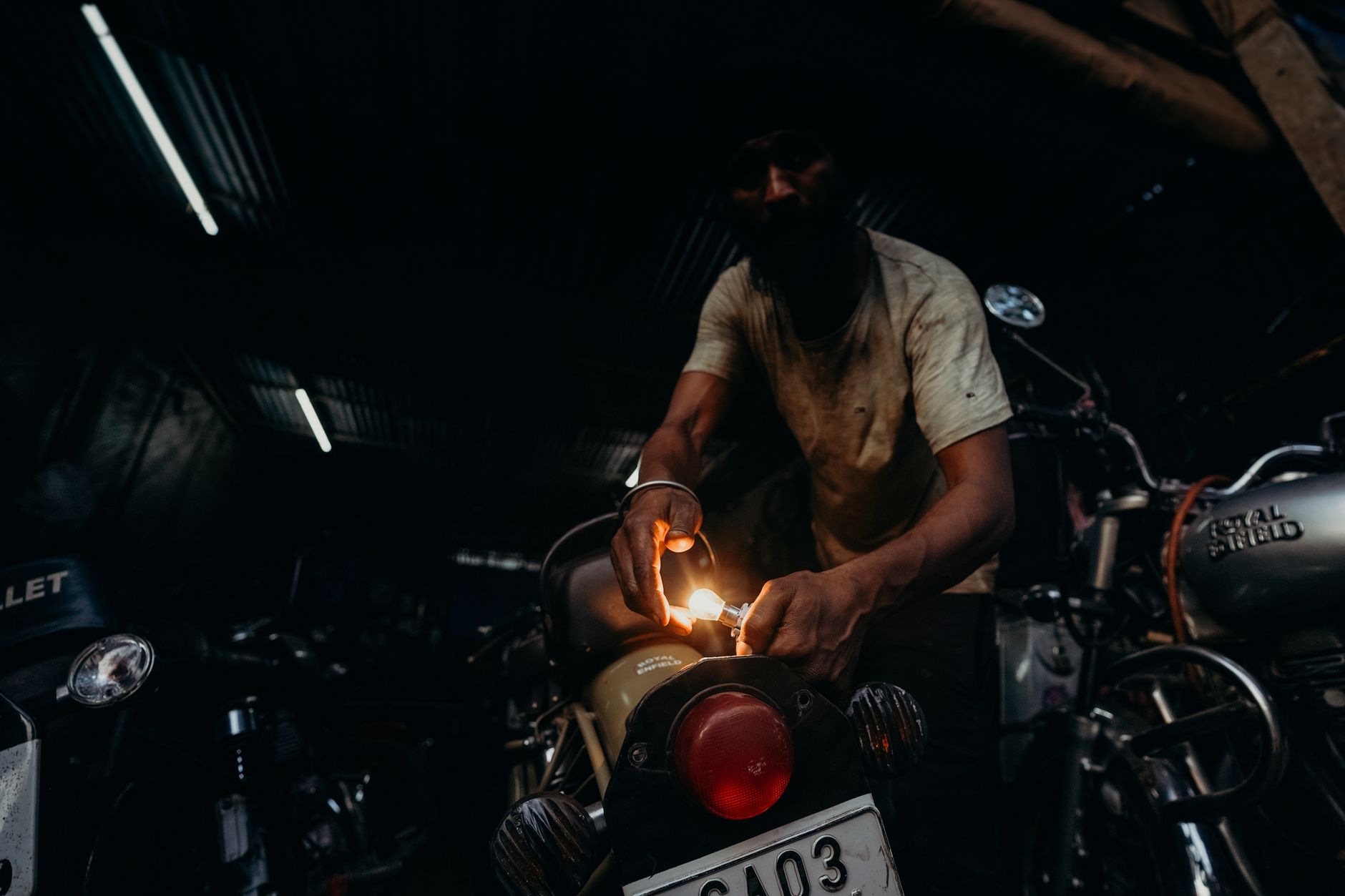
Repair shops, especially those nestled in the city's bustling neighbourhoods, are equally concerned. These small businesses have long relied on the constant demand for maintenance of conventional two-wheelers. With electric vehicles requiring less frequent servicing and different expertise, these mechanics must now acquire new skills to stay relevant.
A mechanic in Karol Bagh, a hub of two-wheeler repairs, expressed his anxiety: "Most of us don't know much about electric vehicles. If things change too quickly, we'll be out of work." This sentiment echoes across the city, where many fear being left behind in the rush to electrify.
Greener Pastures or Rocky Roads?
While the policy is undoubtedly a step towards a cleaner environment, its implementation needs careful navigation. The government has promised incentives for both manufacturers and mechanics to ease the transition, but the specifics remain vague. Without clear guidelines and support, the policy could inadvertently widen the gap between the old guard and the new wave of electric entrepreneurs.
Delhi's EV Policy 2.0 is a bold move towards sustainable urban mobility. Its success, however, hinges not just on adoption rates but on how well legacy sectors are integrated into this new ecosystem. Whether the city can balance innovation with inclusivity will determine whether its streets become a model of modernity or a patchwork of progress and obsolescence.