Dharmendra Pradhan Engages Banks to Revamp CBSE Payment System
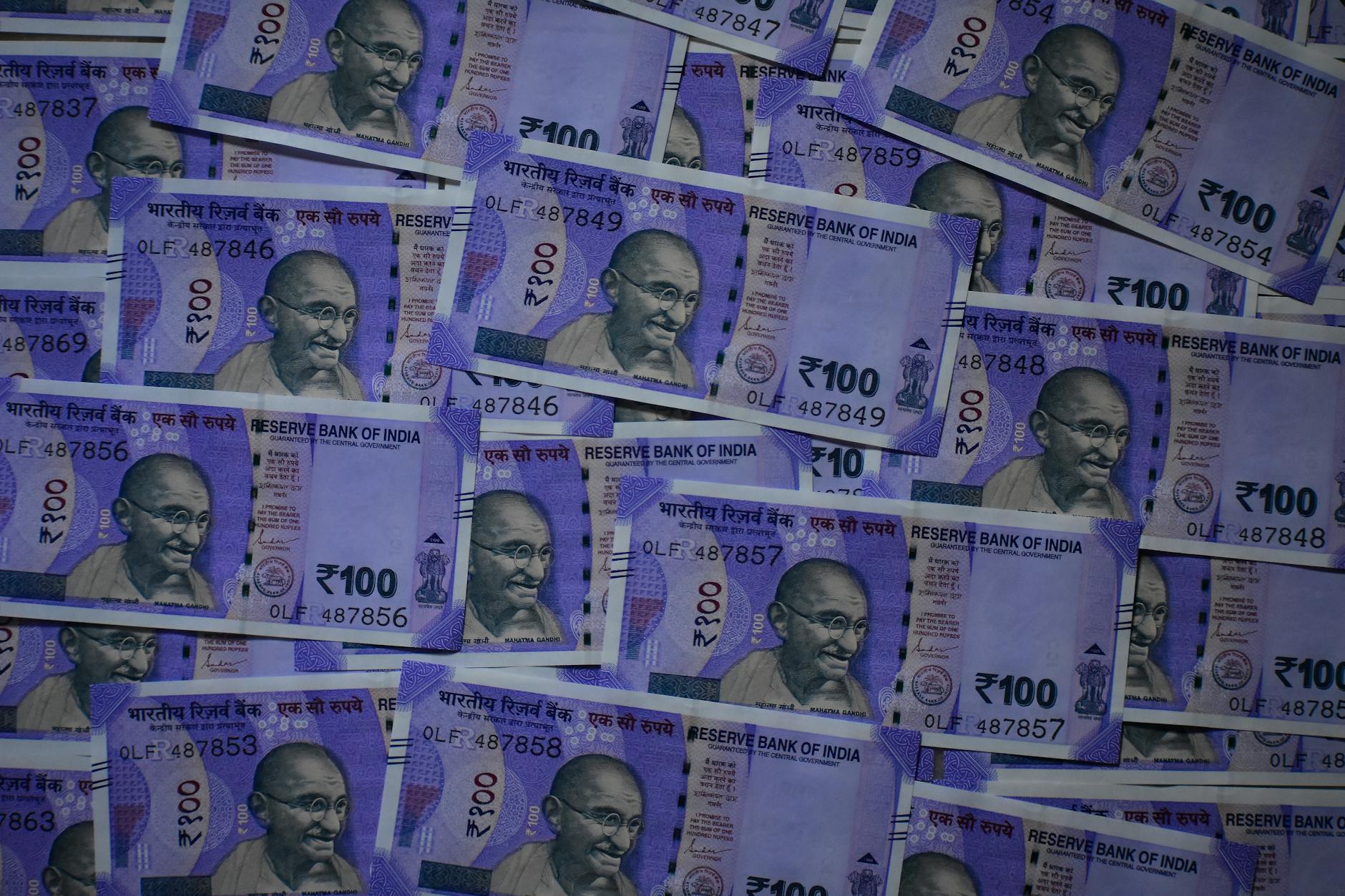
In an effort to modernise the financial transactions associated with the Central Board of Secondary Education (CBSE), Union Education Minister Dharmendra Pradhan convened a meeting with senior officials from four major public sector banks. State Bank of India, Bank of Baroda, Canara Bank, and Indian Bank were called to the table in an initiative aimed at making the CBSE’s payment gateway more efficient and student-centric.
The focus of the discussion was to create a robust payment system that could seamlessly manage post-examination services, such as re-evaluation requests and the procurement of answer sheet photocopies. Pradhan emphasised the need for a reliable payment ecosystem that could handle the high volume of transactions without faltering, thereby ensuring students face minimal hurdles.
CBSE's existing payment system has long been criticised for its inefficiency, often resulting in delayed transactions and unresolved complaints. Addressing these issues, Pradhan urged the banks to collaborate directly with the CBSE to develop 'robust payment protocols', which would not only streamline the transaction process but also expedite the resolution of payment-related grievances.
The Minister’s engagement with banking officials is part of a broader effort to digitise and enhance educational services in India, aligning with the government’s vision for a Digital India. As students and parents increasingly rely on online platforms for educational services, the demand for a dependable payment system has never been more critical.
As part of this initiative, the banks have been tasked with integrating advanced digital solutions into the existing framework, ensuring that students can complete transactions swiftly and securely. While the timeline for the implementation of these changes remains unspecified, the directive from the Minister is clear: a student-friendly payment system is not just desirable but essential.
This significant move marks another step towards creating a more inclusive and tech-savvy educational environment in India, promising a brighter horizon for students navigating the academic landscape.