Digvijaya Singh Shifts Focus to Dharma, Steps Away from Politics
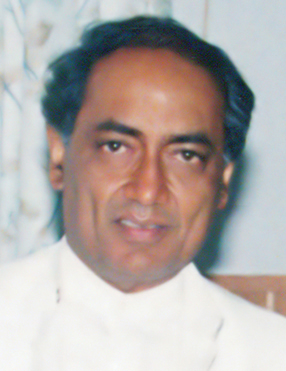
In the heart of Madhya Pradesh, where political power struggles are not uncommon, Digvijaya Singh, a stalwart of the Indian National Congress, has announced a significant shift in his focus. During a recent gathering in Bhopal, Singh proclaimed, 'No politics, only Dharma Raksha now,' a statement that has left many political analysts pondering the implications.
Singh, known for his outspoken nature and deep entrenchment in the political milieu, seems to be charting a new course. His declaration to prioritise the protection of 'dharma'—a concept often associated with righteousness and duty—over political manoeuvring, marks a fascinating turn in his career.
What Does 'Dharma Raksha' Entail?
For those unfamiliar with the term, 'Dharma Raksha' refers to the safeguarding of ethical and moral principles. In the context of Indian politics, it suggests a focus on values and duties rather than mere power play. Singh's emphasis on such a concept may be an attempt to recast his image amidst the often cynical world of politics.
While the specifics of how he plans to implement this are yet to be detailed, his move could resonate with a segment of the electorate disillusioned by politics as usual. It might also be a strategic ploy to distance himself from the more contentious aspects of party politics, providing him with a fresh platform to influence public discourse.
Implications for Madhya Pradesh Politics
Madhya Pradesh has been a battleground for various political parties, with the Congress and the BJP frequently clashing for control. Singh's decision to focus on 'Dharma Raksha' could potentially shift the dynamics, especially if it inspires others to follow suit or if it attracts a new voter base.
Moreover, with elections looming, Singh's repositioning might influence campaign strategies, compelling opponents to reconsider their approaches. Whether this move will translate into electoral success remains uncertain, but it undeniably adds a layer of complexity to the state's political narrative.
As Singh steps back from overt political engagements, it will be intriguing to see how his role evolves. Will this be a mere rhetorical flourish or a genuine transformation in his political philosophy? For now, observers and constituents alike are left to speculate.