Diljit Dosanjh's 'Satluj' Removal Sparks Political Firestorm
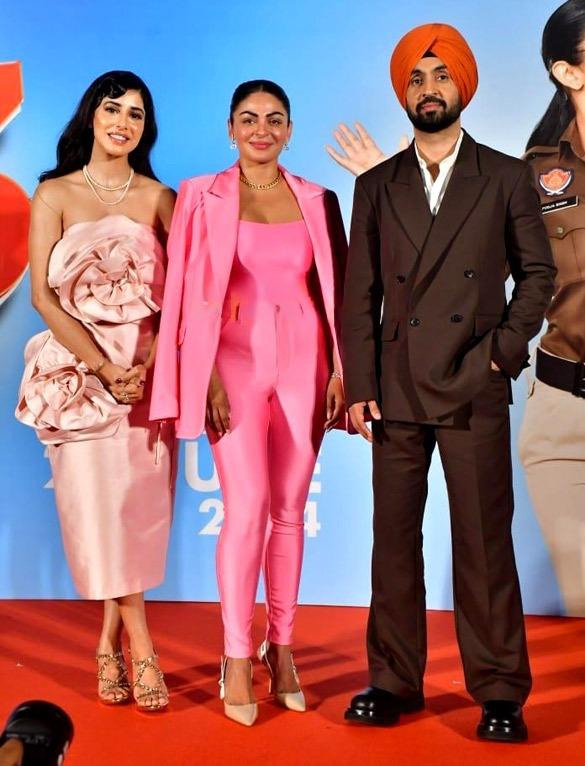
The unexpected removal of Diljit Dosanjh's film 'Satluj' from ZEE5 India has ignited a political firestorm, with the Shiromani Akali Dal (SAD) decrying the move as an act of censorship. The film, which delves into the complex issues surrounding human rights, was pulled from the platform just two days after its release.
ZEE5, in a statement, expressed its commitment to the film, promising to explore every avenue to restore it. However, the abrupt removal has raised eyebrows and questions about the extent of political influence on artistic expression in India.
Political Reaction
The SAD has been particularly vocal, accusing the government of suppressing voices that challenge the status quo. "We are shocked and saddened by this decision," an SAD spokesperson said, emphasising that the film's themes of justice and human rights are vital discussions that should not be stifled.
This incident is reminiscent of previous controversies where films with sensitive political content faced similar hurdles. The issue underscores the ongoing debate about freedom of expression and the role of digital platforms in enabling or restricting content based on external pressures.
Artistic Freedom at Stake
For Diljit Dosanjh, a celebrated actor and singer with a substantial following, 'Satluj' represents more than just a film. It is a statement on pressing social issues, brought to life with his trademark sincerity and depth. Fans and supporters have rallied around him, calling for the film's reinstatement.
As the discourse around 'Satluj' continues, it highlights the fragile balance between creative freedom and political sensitivities. While ZEE5's commitment to resolve the issue is notable, the incident serves as a reminder of the challenges faced by artists in navigating a politically charged landscape.
In the broader context, this controversy may prompt further discussions about the role of OTT platforms in safeguarding artistic content against political interference, ensuring that diverse voices and narratives find their rightful place in the public domain.