Diljit Dosanjh's 'Satluj' Removal Sparks Political Furore
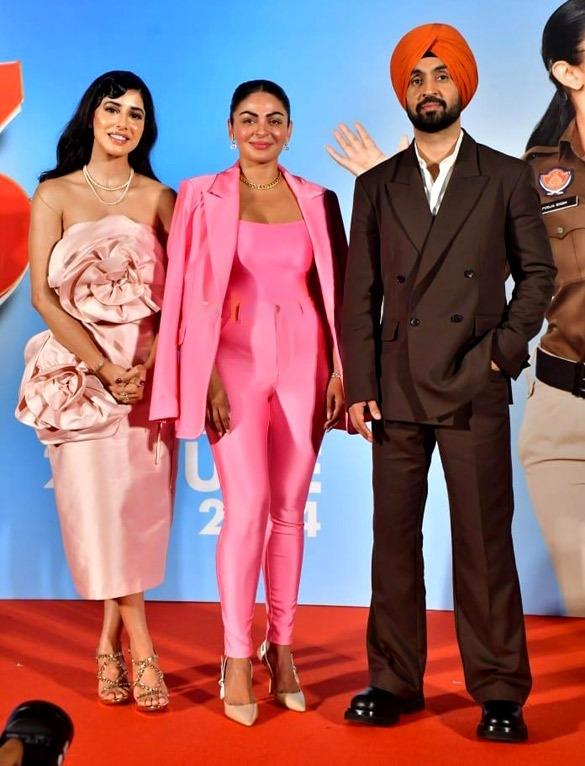
In a move that has sent shockwaves through both the film industry and political circles, Diljit Dosanjh's film Satluj was quietly removed from ZEE5 just two days after its release. The film, which chronicles the life of human rights activist Jaswant Singh Khalra, has become a flashpoint for a heated debate on censorship and artistic freedom in India.
The Shiromani Akali Dal (SAD), a prominent political party in Punjab, has vehemently opposed the film's removal, branding it as an act of censorship. 'This is a blatant suppression of creative voice,' said a spokesperson for the party. 'The film's narrative is deeply intertwined with the historical fabric of Punjab, and silencing it is akin to denying a part of our history.'
The Political Backlash
The controversy has quickly escalated, with Sikh organisations joining the chorus of disapproval. Many view the removal as an affront to the community, considering the significant role Khalra played in exposing human rights violations during a turbulent period in Punjab's history.
Diljit Dosanjh, who stars as Khalra, expressed his disappointment on social media, sharing a poignant scene from the film. His message subtly drew parallels between the film's abrupt removal and the disappearance of Khalra, who was reportedly abducted and killed in 1995 for his activism.
A Broader Debate
While ZEE5 has yet to provide a comprehensive explanation for the film's removal, the incident has reignited discussions about the boundaries of free expression in the country. Critics argue that the move underscores a growing trend of media outlets capitulating to political pressure.
Historically, Indian cinema has been a battleground for issues of censorship, with filmmakers often navigating a labyrinth of regulatory challenges. The Satluj episode has only amplified calls for a more transparent and balanced approach to content regulation.
For now, the fate of Satluj remains uncertain, but its impact on the discourse surrounding freedom of expression is undeniable. As the debate unfolds, it highlights the fragile balance between artistic expression and political sensibilities in India.