DRC and WHO Issue Urgent Call to Contain Ebola Outbreak
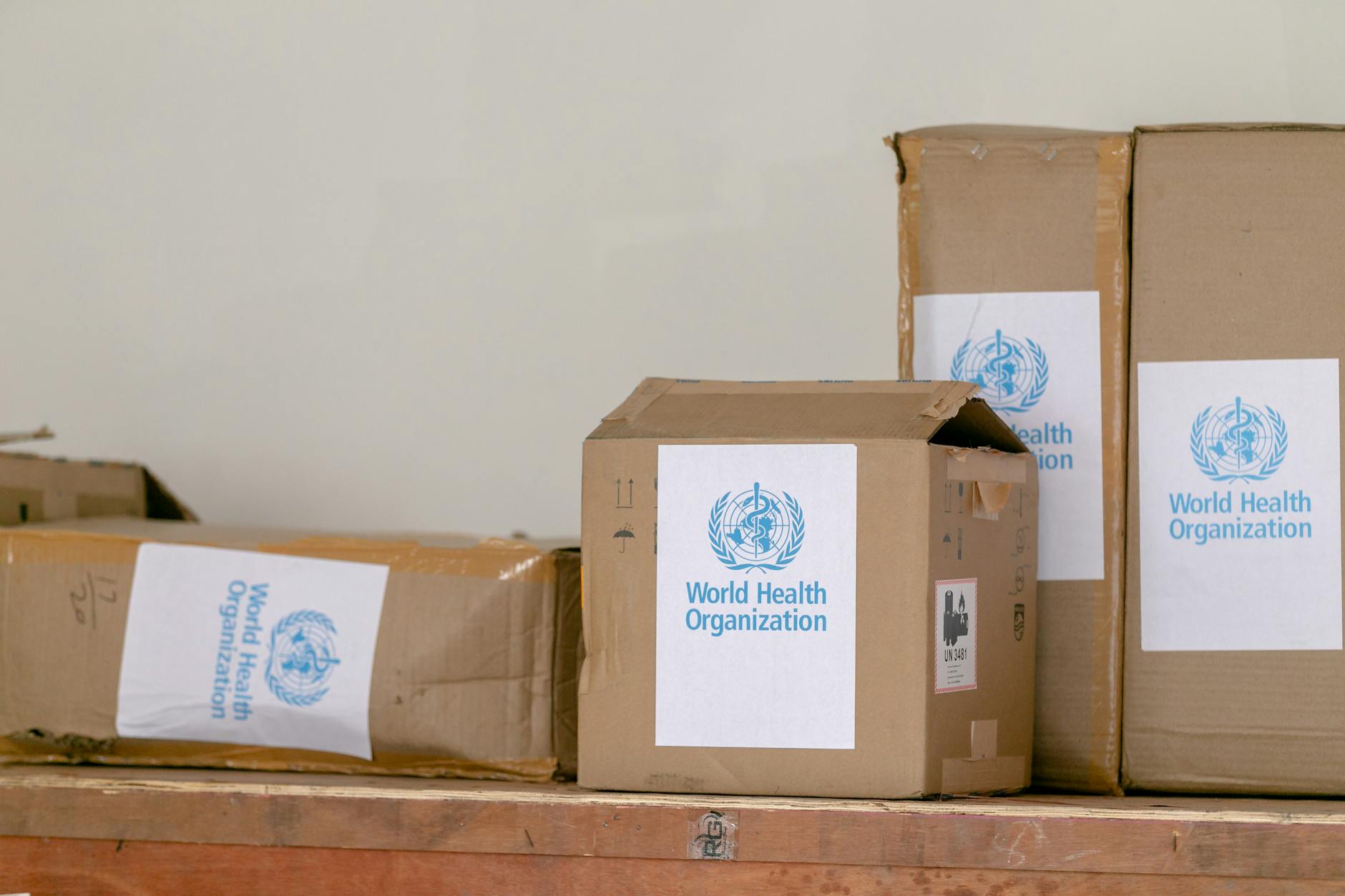
In a stark reminder of the persistent threat posed by viral outbreaks, the Democratic Republic of the Congo (DRC) and the World Health Organisation (WHO) have jointly called for urgent action following the latest Ebola outbreak. This time, the Bundibugyo virus, a particularly virulent strain, is at the heart of the crisis.
The figures are alarming. As of 21 May 2026, the DRC has reported 83 confirmed cases, with nine resulting in death, marking a case fatality rate of 11%. An additional 746 suspected cases, including 176 deaths, have been logged across 15 health zones in the provinces of Ituri, North Kivu, and South Kivu.
Health officials are grappling with significant uncertainties surrounding the outbreak's reach. The WHO has expressed concern that the crisis could be larger than initially anticipated, with the potential for a broader geographic spread. The absence of approved drugs or vaccines for the Bundibugyo strain further complicates containment efforts, leaving healthcare workers reliant on standard protocols of isolation and supportive care.
A Complex Challenge
The response is being spearheaded by the DRC government, in close collaboration with provincial authorities, WHO, and other international partners. Despite these concerted efforts, the challenges are manifold. The regions affected are already grappling with infrastructural deficiencies and socio-economic instability, which hinder effective intervention.
The symptoms of this Ebola strain are notably severe, starting with fever and muscle pain and progressing to vomiting, diarrhoea, and in some cases, bleeding. Such symptoms necessitate swift isolation of patients to prevent further transmission.
International Implications
The outbreak's categorisation as a public health emergency of international concern has prompted global health bodies to mobilise resources swiftly. The Director-General of Africa CDC has underscored the need for an international response, highlighting the interconnected nature of global health security.
In the face of such adversity, the resilience of the DRC's healthcare system is being tested. The call for international solidarity, cooperation, and resource mobilisation has never been more critical as the country navigates this public health crisis.