Durgadi Fort: A Historic Bastion at the Heart of Sena Politics
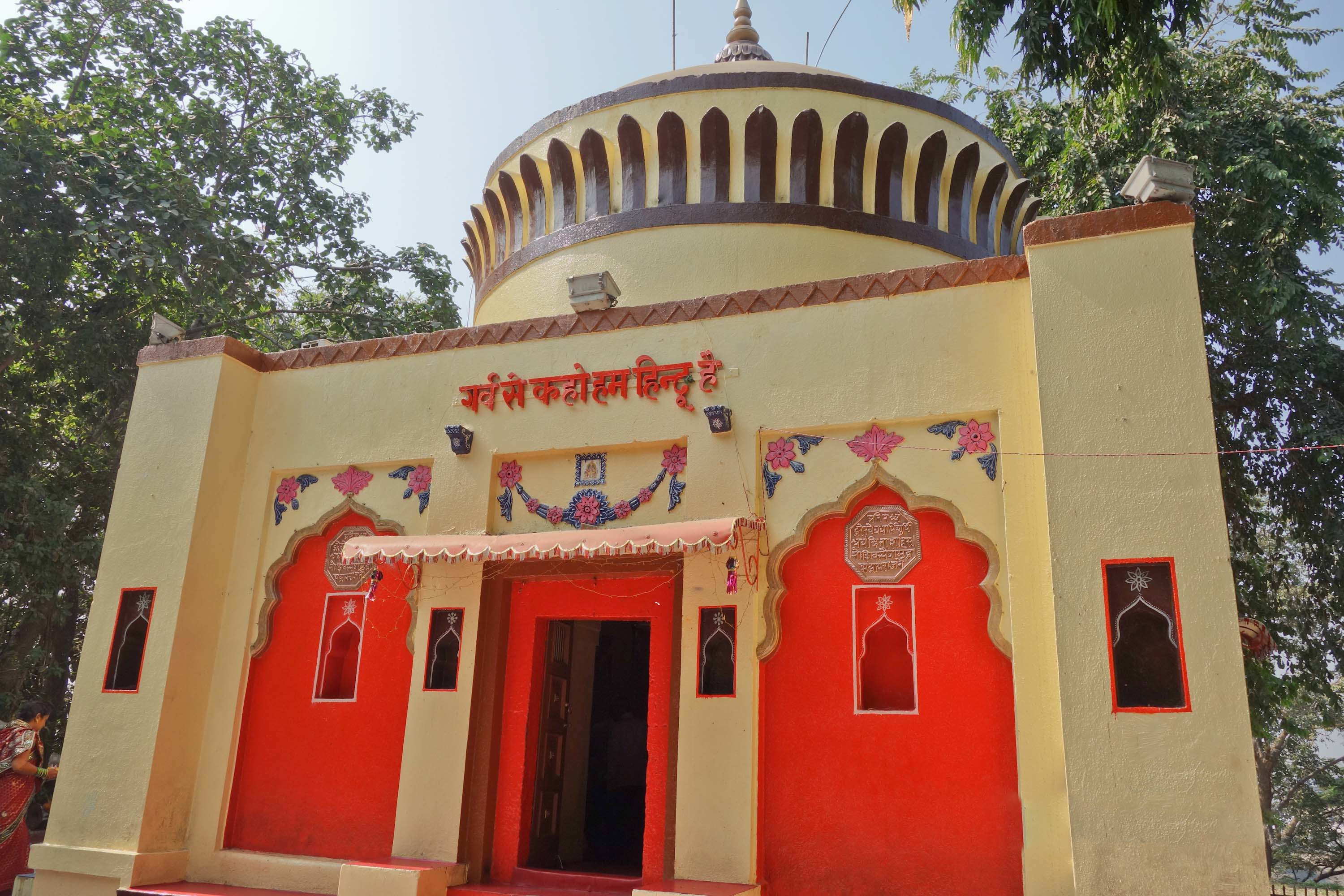
Amidst the bustling streets of Kalyan, the Durgadi Fort stands as a silent sentinel of history. Built in the late 16th century, this fort has witnessed the rise and fall of empires. Yet today, it finds itself in the throes of modern political turmoil.
This Eid saw the fort once again become a flashpoint as Shiv Sena supporters gathered for their 'Ghanta Naad' protest, a demonstration against restrictions imposed on Hindu devotees wishing to enter the Durga temple. The area's Muslim community, who have long prayed at the Idgah within the fort's confines, maintain that their practice is a generational right.
The origins of this dispute are deeply rooted in the mid-1960s when local Kokni Muslims claimed ancestral ties to the land surrounding the fort. The situation is further complicated by the presence of families like the Mirsinghes, who have historical claims to parts of the site.
Political Theatre or Genuine Grievance?
The Shiv Sena's involvement has added layers of complexity. While their protest is ostensibly about religious freedom, critics argue it is a strategic move to galvanise Hindu support in the region, a traditional stronghold of the party. The BJP's involvement, with corporator Mahesh Patil's detention, further stirs the political pot, hinting at deeper electoral calculations.
For the residents of Kalyan, the fort is more than just a battleground for political rhetoric. It is a symbol of the community's rich cultural tapestry. Caught between historical claims and modern political ambitions, the future of Durgadi Fort remains uncertain. However, what is clear is its enduring significance as a microcosm of Maharashtra's broader socio-political landscape.