Earth's Clock: Scientists Estimate Life's Remaining Years
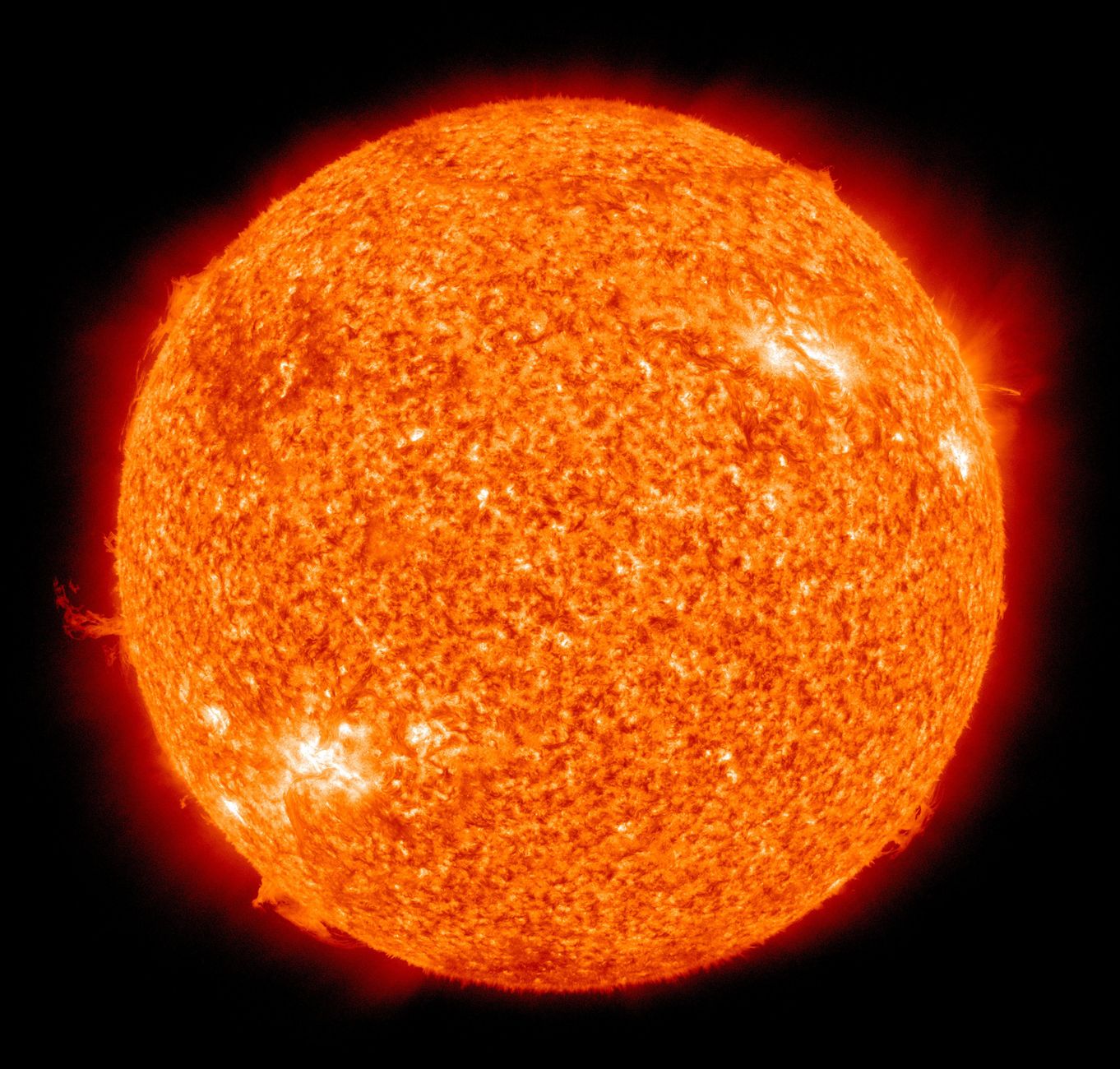
In an eye-opening revelation, scientists have recalibrated the cosmic clock governing life on Earth. The Sun, our life-giving star, has a ticking luminosity that spells the eventual end for terrestrial life as we know it. According to recent findings, life on Earth could persist for another 1.8 billion years—a significantly longer timeline than previous models suggested.
This fresh analysis comes as a boon and a bane. On the one hand, it extends the timeline for potential survival, allowing more room for human advancement and exploration. On the other, it confirms the finite nature of our existence, tethered to the whims of celestial mechanics.
The Sun's Relentless Brightening
The underlying cause of this eventual demise is the Sun's gradual increase in brightness, a process that will inexorably lead to inhospitable conditions. As the Sun ages, it burns hotter and brighter, a phenomenon that will disrupt the delicate balance of temperatures and chemical compositions required to sustain life.
The study, conducted through a combination of astrophysical models and geological evidence, suggests that plant life, the cornerstone of Earth's ecological pyramid, will be among the last bastions of life to endure this cosmic shift. Their resilience could outlast many forms of life, but even they will not escape the Sun's relentless brightening.
Why This Matters
Understanding the longevity of life on Earth provides crucial insights into our planet's future and the broader search for life beyond our solar system. The conditions that sustain life here may offer clues to where else life might arise in the cosmos.
The research also underscores the uniqueness of Earth's current habitable state. With its stable temperatures and a perfect chemical mix, Earth remains a rare oasis in the vast desert of space. However, this study is a stark reminder of the fragility of such conditions.
As we peer into the cosmic future, the urgency for scientific exploration and the search for sustainable alternatives become ever more pressing. The clock is ticking, and while it may be slower than once thought, it is inexorably winding down.