Eastward Migration: Scientists Flock to China for Research Opportunities
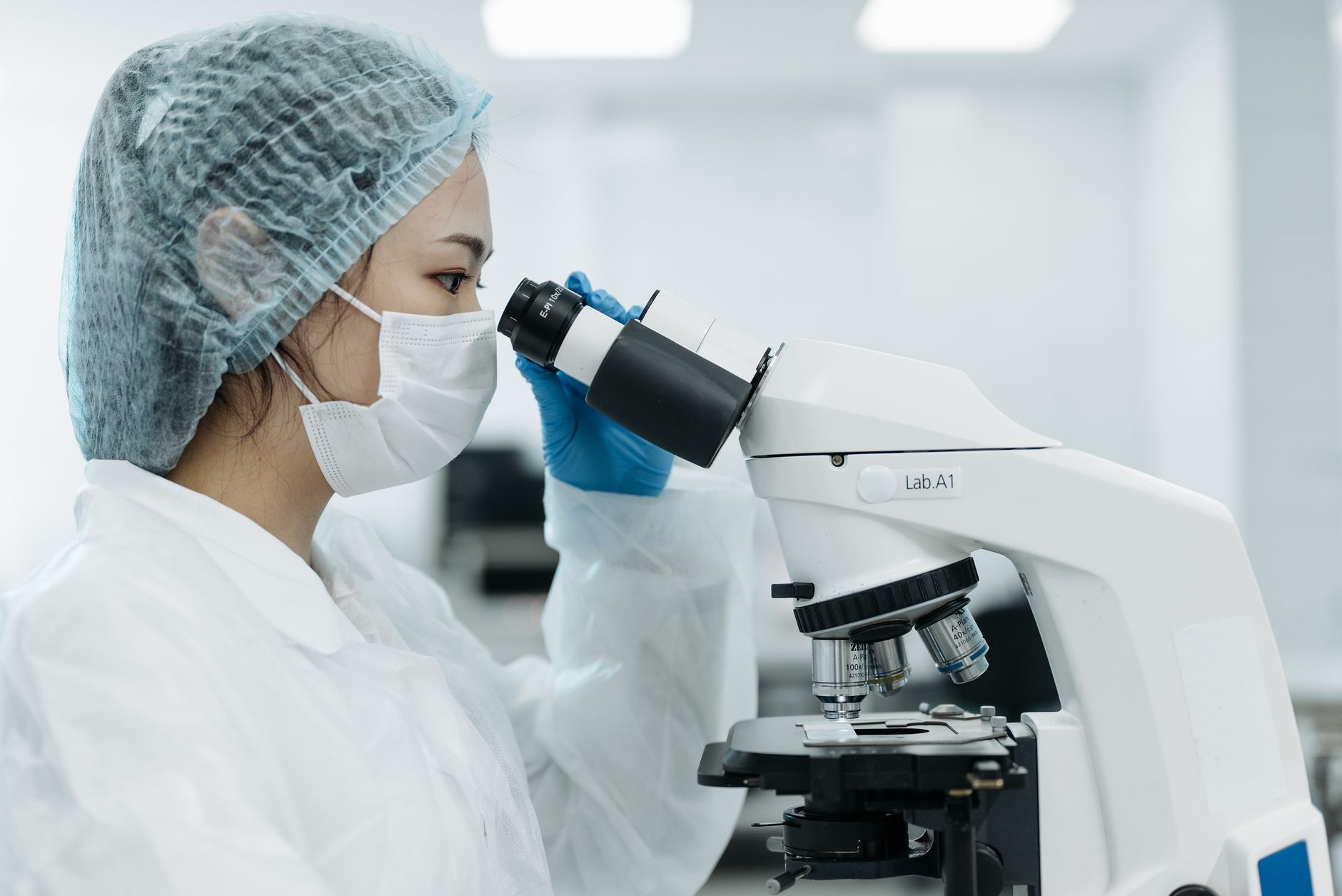
The allure of China’s burgeoning research landscape is proving irresistible to a cadre of scientists and experts who have traditionally thrived in the West. Among the latest to make the eastward journey is Omar Yaghi, celebrated for his Nobel-winning work in chemistry. Once a stalwart at the University of California, Berkeley, Yaghi now heads an institute in China focusing on the use of artificial intelligence in material discovery.
Yaghi's move is emblematic of a broader trend. This year alone, ten prominent scientists from the United States and United Kingdom have opted to cross the Pacific, drawn by China’s generous research funding and the promise of leading ambitious projects. The trend underscores a shifting paradigm in global scientific leadership, one that sees China increasingly positioned as a formidable player.
Funding and Leadership Opportunities
For many of these scientists, the decision to relocate is driven by a blend of opportunity and frustration. In the West, funding cuts and bureaucratic hurdles often stymie innovative projects. In contrast, China offers a landscape where resources are abundant and the potential for groundbreaking work is encouraged, if not outright expected.
These moves have sparked a debate about the West’s ability to retain its scientific talent amidst rising global competition. Critics argue that without significant investment and structural reform, the UK and US risk losing their edge in key areas of research and innovation.
Cultural and Academic Dynamics
The cultural dynamics at play are also significant. For Chinese scientists who have long worked under Western patronage, the chance to return home and lead major initiatives is particularly appealing. The opportunity to contribute to their homeland’s growing scientific prowess is a compelling narrative that resonates with many.
Whether this trend will continue remains uncertain, but the current wave of relocations suggests a need for introspection within Western academic and research institutions. As the global scientific community becomes increasingly interconnected, the ability to attract and retain top talent will be crucial for any nation aspiring to lead in innovation.