Ebola Crisis: WHO Declares Global Health Emergency
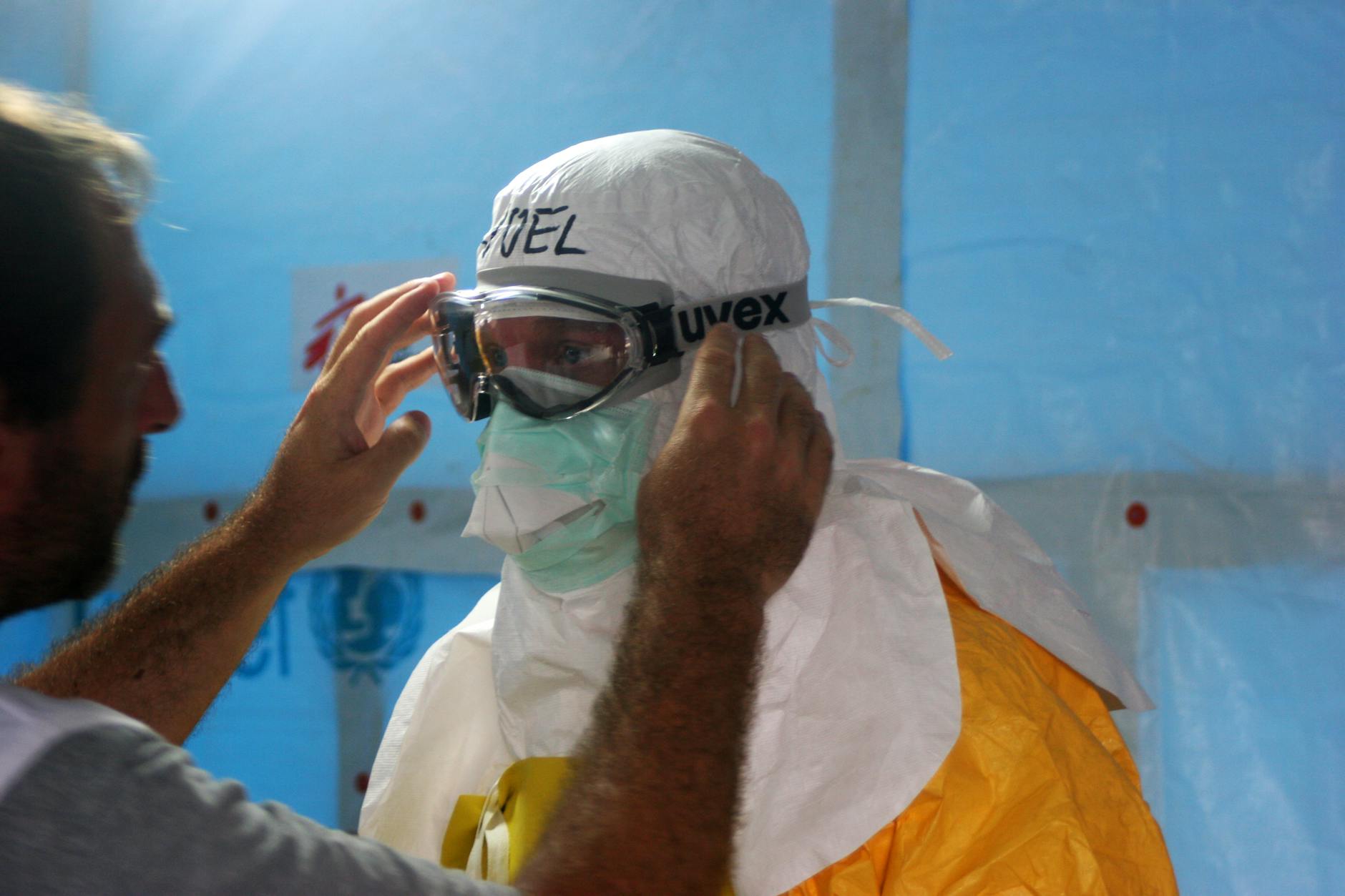
In a development as foreboding as it is familiar, the World Health Organisation has declared a global health emergency over the escalating Ebola outbreak in the Democratic Republic of Congo and Uganda. This marks a sombre chapter in the ongoing struggle against a disease first identified nearly five decades ago.
The current outbreak has seen a troubling rise in both confirmed and suspected cases, prompting the WHO's designation of a public health emergency of international concern. This classification is not taken lightly, as it signals a need for immediate and coordinated international action.
What Constitutes a Global Health Emergency?
Dr. Sarah Manson, an infectious disease specialist, explains, "A global health emergency is declared when a public health event poses a risk to multiple countries and requires a coordinated international response." The current situation in Congo and Uganda meets these criteria, with the virus spreading beyond national borders at an alarming rate.
The WHO's decision comes in light of several key factors: the rising number of fatalities, the exponential growth in laboratory-confirmed cases, and the potential for widespread transmission if left unchecked.
Understanding the Disease
Ebola, a viral haemorrhagic fever, is notorious for its high mortality rate and rapid transmission. Symptoms can manifest within days, ranging from fever and fatigue to severe internal bleeding. As Dr. Manson notes, "The swift onset and severity of symptoms make early detection and isolation crucial."
Efforts to contain the virus are further complicated by local mistrust and logistical challenges in the affected regions. Health workers on the ground face formidable obstacles, from navigating remote terrain to countering misinformation within communities.
Global Implications and Response
The international community has responded with urgency, deploying medical teams and resources to the affected areas. However, Dr. Manson warns, "Containment requires more than just medical intervention; it demands global cooperation and a robust public health infrastructure."
The WHO's declaration serves as a clarion call for nations to bolster their preparedness against not just Ebola, but any potential pandemic. As the world grapples with this latest outbreak, the need for vigilant monitoring and swift action has never been clearer.