Ebola Outbreak Declared Global Emergency Amid Vaccine Challenges
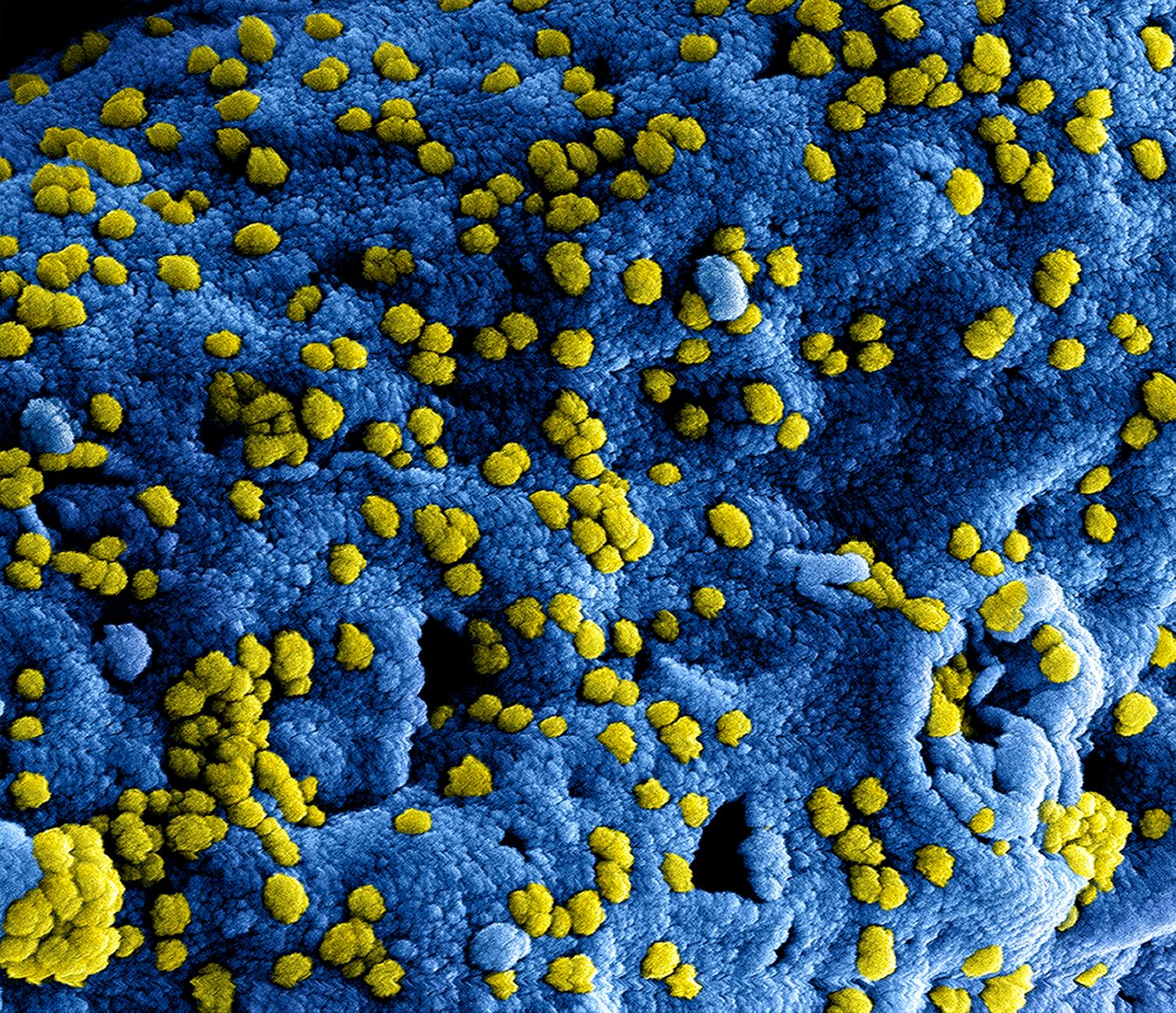
The clouds of concern have gathered once again over the African continent, as the Democratic Republic of the Congo and Uganda grapple with a deadly Ebola outbreak. The culprit is the elusive Bundibugyo virus, a strain that leaves health officials in a quandary due to the lack of effective vaccines and treatments. As of mid-May, the World Health Organisation (WHO) has declared this crisis a public health emergency of international concern.
The outbreak has already claimed 88 lives, with 336 suspected cases reported. Alarmingly, the virus has not stayed within borders, with two cases confirmed in Uganda's capital, Kampala. Both patients, having travelled from the DRC, are receiving intensive care in Kampala hospitals. This spread underscores the urgency of a coordinated international response.
Dr. Kamba, a health official, pointed out the stark reality: "The Bundibugyo strain has a very high lethality rate, which can reach 50 percent. Moreover, there is no vaccine, no specific treatment." This grim prognosis makes the outbreak particularly daunting for the overstretched health systems in Central Africa.
A Strain with No Vaccine
Unlike the more familiar Zaire ebolavirus, which has seen the development of vaccines and treatments, the Bundibugyo strain remains largely uncharted territory. First identified in Uganda in 2007, this strain's resistance to existing medical solutions complicates containment efforts. The high mortality rate adds another layer of complexity to the already challenging situation.
International health bodies are rallying to support the affected regions. However, the combination of insufficient resources, logistical hurdles, and political instability in the DRC makes for a precarious battle against time.
The Global Response
Declaring the outbreak a global health emergency is an urgent call to action. It is a plea for solidarity and swift mobilisation of resources. WHO's declaration aims to galvanise international support, prompting governments and organisations to contribute expertise, manpower, and funding.
Yet, the path ahead is fraught with challenges. The global health community must not only focus on immediate containment but also invest in long-term solutions, including research into vaccines and treatments for less common strains like Bundibugyo.
The unfolding crisis is a stark reminder of the vulnerabilities in global health security and the need for robust preventative measures and rapid response capabilities. As the world watches, the clock ticks on a critical mission to contain an outbreak that knows no borders.