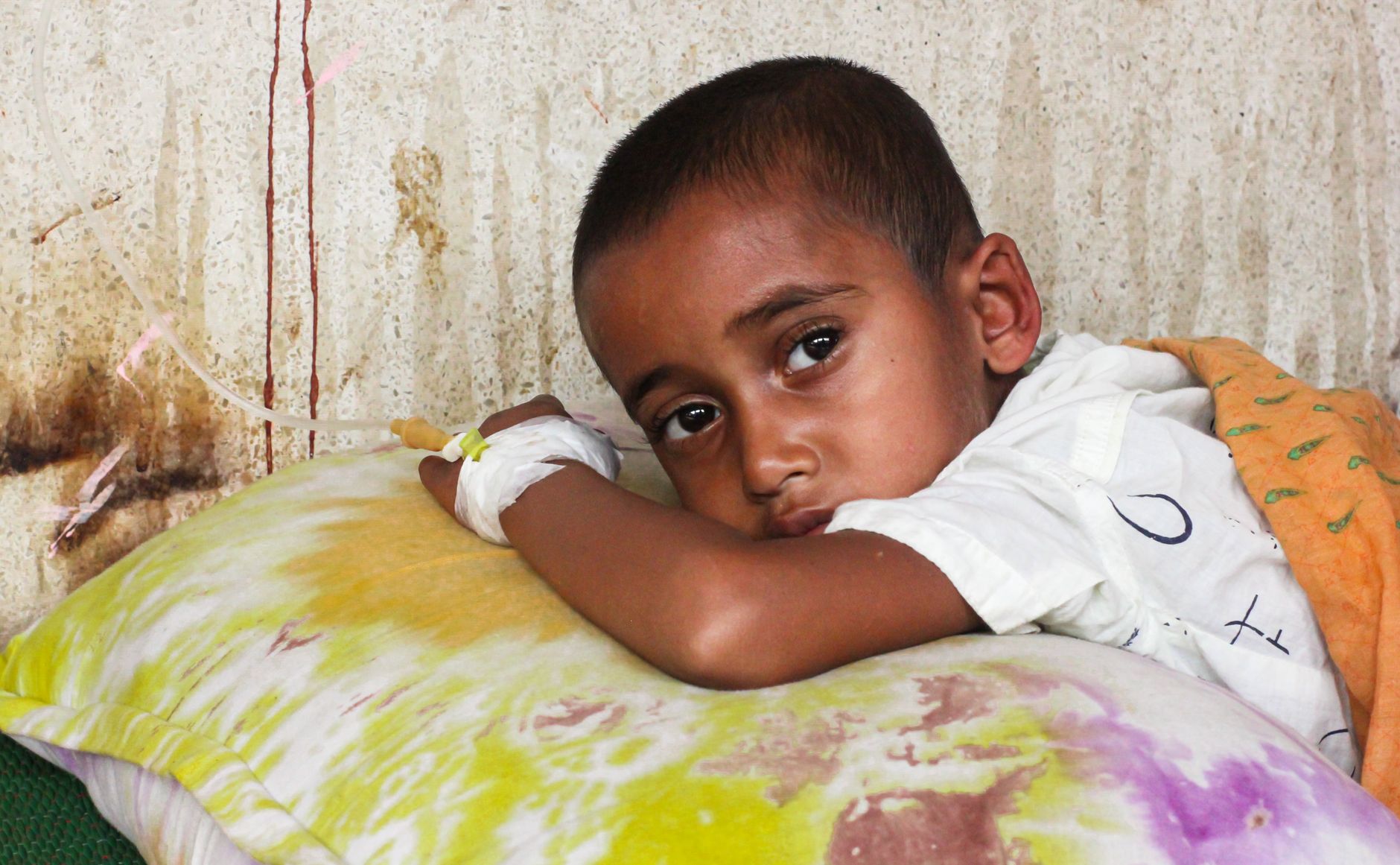
Ebola Outbreak in Congo and Uganda Sparks Global Health Alarm
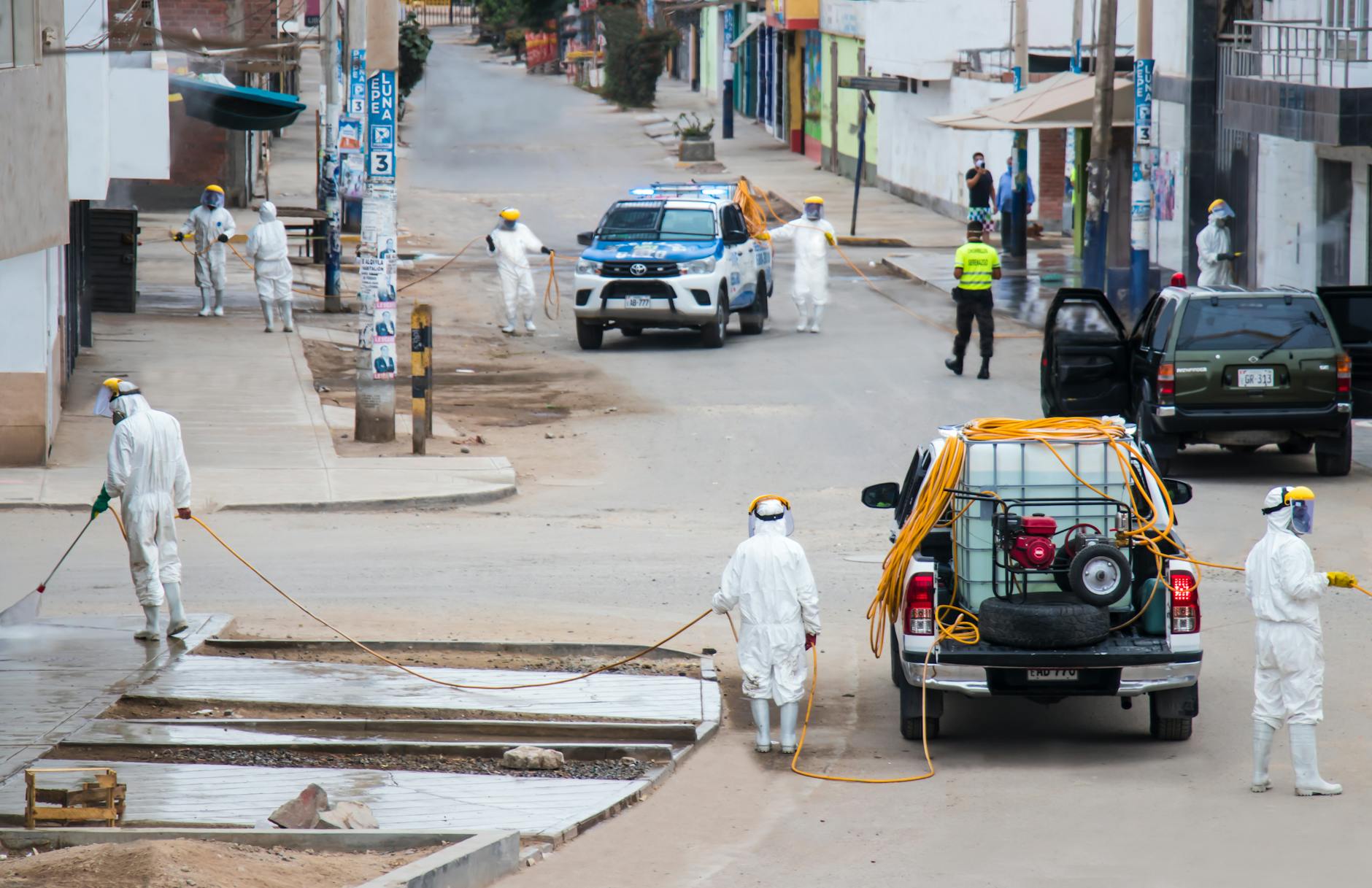
In a grim reminder of the unpredictable nature of viral outbreaks, the Democratic Republic of the Congo and Uganda are grappling with a fresh Ebola outbreak, this time, driven by the Bundibugyo virus. Declared a public health emergency of international concern, the outbreak has sent ripples of anxiety through global health corridors.
The crux of the crisis lies in the Ituri Province of the DRC, where 13 cases have been confirmed. The virus, which takes its name from a district in Uganda where it was first identified, is less deadly than its cousin, the Ebola virus, yet still poses a significant threat. The fatality rate for Bundibugyo stands lower, but the 67 suspected Ebola-related deaths reported in the region highlight the urgency of the situation.
International Implications
The international dimension of this outbreak cannot be overstated. In mid-May, Uganda confirmed two Ebola cases in its capital, Kampala, involving travellers from the DRC. This cross-border spread underscores the virus's potential to transcend national boundaries, complicating containment efforts.
Dr Michael Head, a senior research fellow in global health at the University of Southampton, notes that the DRC is no stranger to Ebola's devastation. Previous outbreaks have conditioned the region's response strategy, yet the current situation demands heightened vigilance and international cooperation.
Efforts to Contain the Outbreak
Efforts to contain the virus are in full swing. Health officials in both countries are focusing on community engagement, awareness campaigns, and the deployment of rapid response teams. The World Health Organisation and other international bodies are on high alert, providing support and resources.
Vaccination campaigns, previously successful in curbing outbreaks, are being revisited, albeit with the challenge of cultural misconceptions and logistical constraints. The need for a coordinated international response is more pressing than ever, as health systems in the affected regions are often overstretched and under-resourced.
The world watches with bated breath as health officials race against time to curtail this outbreak. The stakes are high, and the lessons learned from past outbreaks will be crucial in navigating the path forward.