Ebola Resurgence: A Stark Reminder for Global Health Vigilance
The spectre of Ebola is haunting the global health community once again, as a new outbreak has emerged with a sense of déjà vu. The virus, notorious for its high fatality rate, has surfaced in regions previously affected, setting off alarms among experts worldwide.
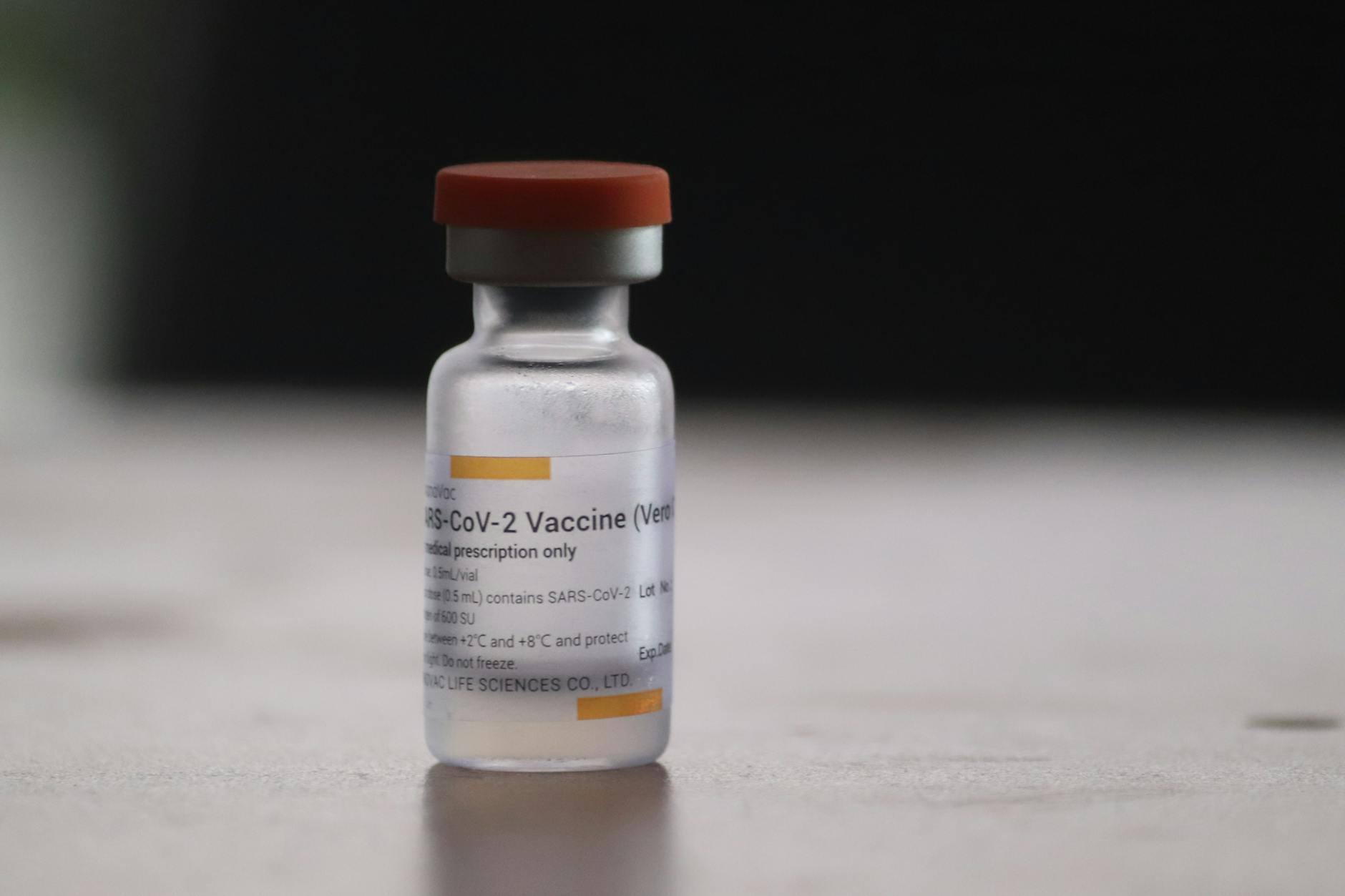
With no strain-specific vaccine currently available, this outbreak has been traced back to a recent 'spillover event'—a term used when a virus jumps from animals to humans. Such events often foreshadow larger health crises, as seen in past Ebola outbreaks in Africa. The World Health Organisation (WHO) has been quick to respond, aware of the historical fatality rates ranging from 30 to 50 percent.
Challenges in Containment
The challenges in containing this outbreak are manifold. The genetic analysis of the virus suggests it has been spreading through human-to-human transmission, raising fears of a wider epidemic. Initial samples have shown a high positivity rate, with eight out of thirteen samples testing positive across different areas, including the bustling city of Kampala.
Adding to the complexity are the 'unusual clusters of community deaths' and the significant uncertainties surrounding the true number of infected persons. This paints a grim picture of a potentially large-scale outbreak, with local and regional implications.
Systemic Vulnerabilities
Underlying these concerns is the weak healthcare infrastructure in the affected regions. The ongoing insecurity, coupled with a humanitarian crisis and high population mobility, exacerbates the situation. Informal healthcare facilities further complicate the containment efforts, as witnessed during the 2018-2019 outbreak in North Kivu and Ituri provinces.
While the international community scrambles to assist, the lack of preparedness remains stark. The urgent need for a coordinated global response is evident, not just to contain this outbreak but to prevent future ones.
As the world watches nervously, the resurgence of Ebola serves as a sobering reminder of the need for constant vigilance and robust healthcare systems ready to tackle such formidable foes.