Ebola's International Threat: How the World Responds
As the shadow of Ebola looms beyond the African continent, health authorities worldwide brace for a potential crisis. The recent outbreak, originating in the Democratic Republic of Congo, has now caught the attention of global health officials, with suspected cases emerging in Italy and Brazil.
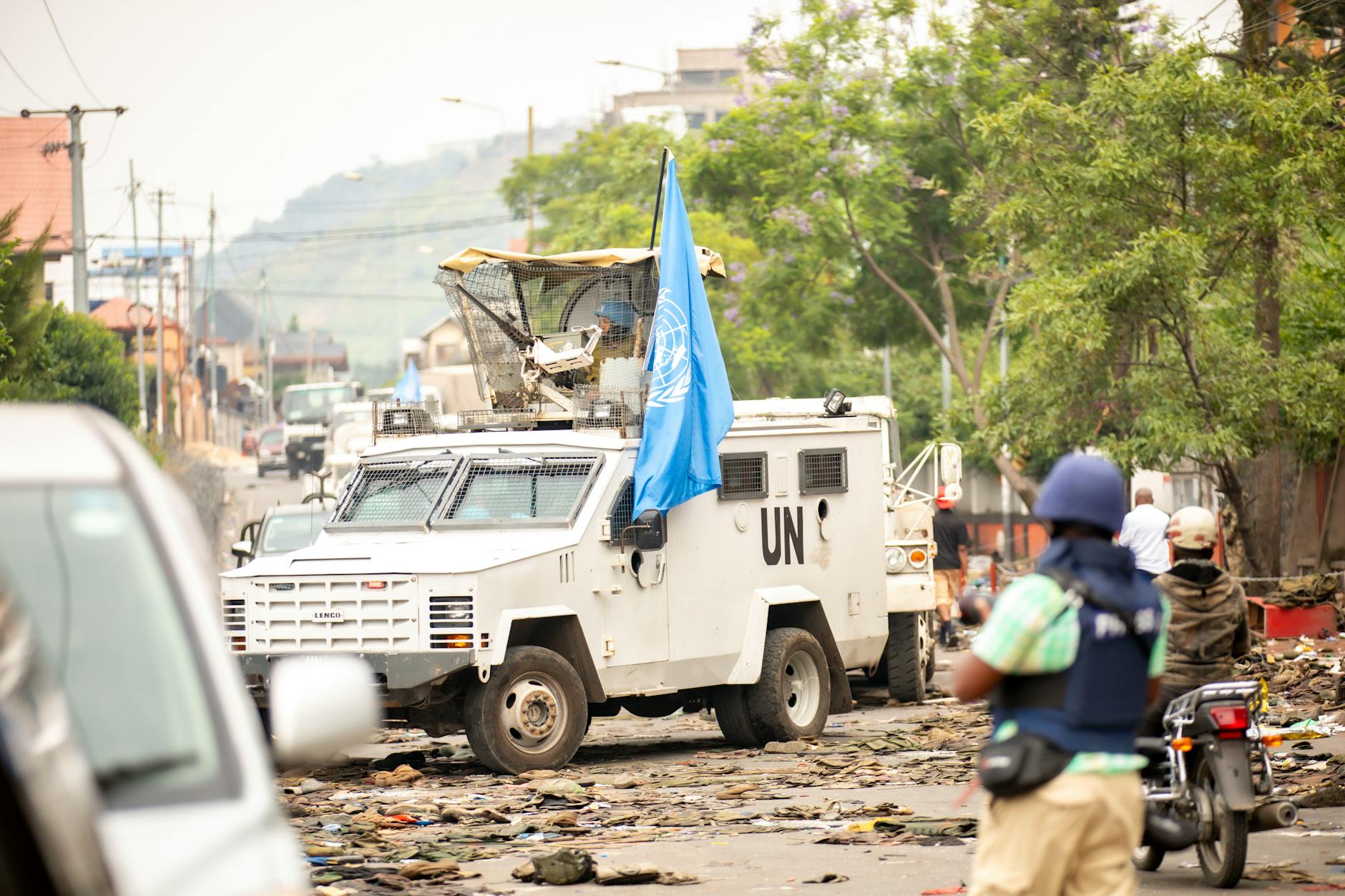
The World Health Organization (WHO) has declared this outbreak a public health emergency of international concern. This declaration is not made lightly, reserved for situations that pose a significant risk to multiple countries and require a coordinated international response.
African Response and Global Concerns
African leaders are rallying to organise a robust regional response. Funding and resources are being mobilised with urgency, as the threat of the virus spilling over into other continents becomes a pressing concern. In recent years, lessons learned from previous outbreaks have underscored the importance of swift, coordinated action and transparent communication.
In Italy, health authorities are on high alert following a suspected Ebola case. Quarantine measures and rigorous testing are underway to confirm the diagnosis. Meanwhile, in Brazil, two individuals exhibiting symptoms are under close observation as health officials race against time to prevent a potential spread.
The Challenge of Containment
Containing Ebola is no small feat. The virus spreads through contact with infected bodily fluids, making it perilously contagious in densely populated areas. Previous outbreaks have shown how quickly the situation can escalate if not managed effectively.
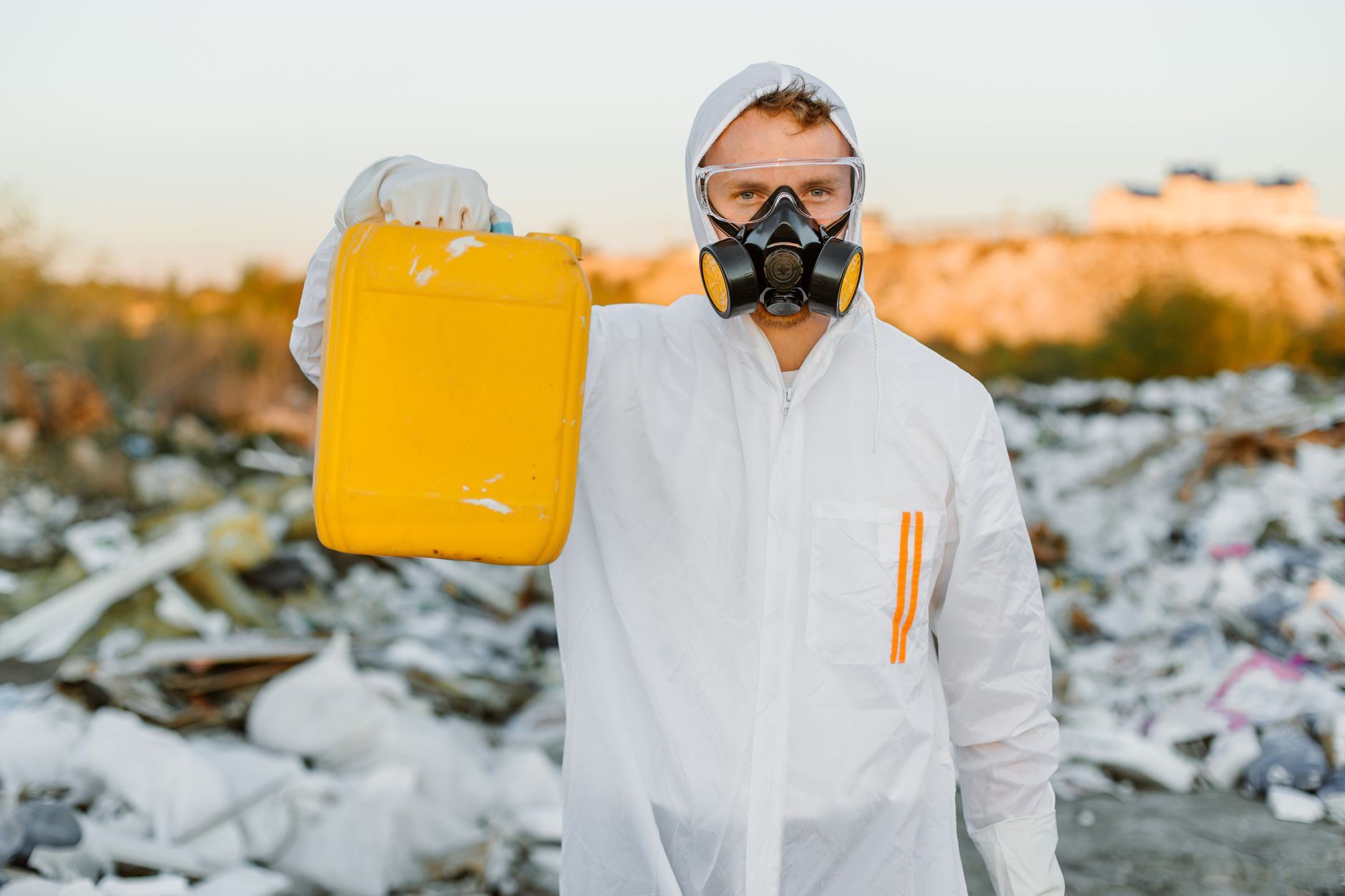
For countries outside Africa, the challenge lies in rapid identification and containment. Airports and ports have ramped up screening procedures, and healthcare facilities are being equipped with necessary isolation facilities and protective gear.
The world watches closely as health authorities on all continents take measures to stave off what could become a global health crisis. While the situation is fraught with challenges, international cooperation and shared resources may well be the key to averting disaster.