Echoes of Plastic: The Himalayas' Silent Plea for Change
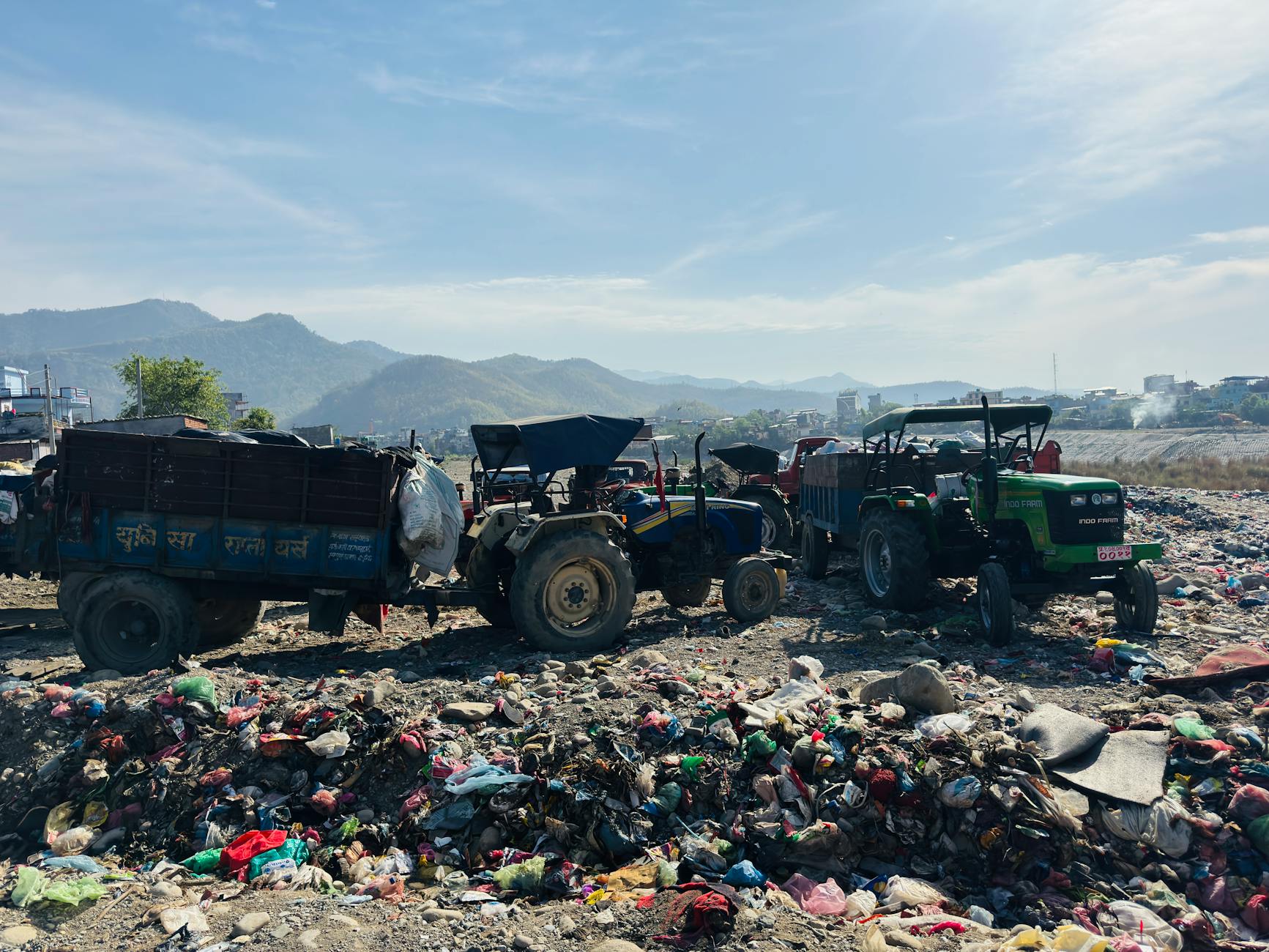
In the shadow of the majestic Himalayas, a troubling scene unfolds. Amongst the ancient trees and snow-capped peaks, the once-pristine meadows of the Kedarnath Wildlife Sanctuary have become tainted with a modern blight: plastic waste. The sight of the Himalayan Tahr, a symbol of these rugged mountains, rummaging through rubbish is a jarring image that speaks volumes about our environmental indiscretions.
Camera traps in the Rudranath-Tungnath area reveal a disturbing trend. Wildlife, including species as vulnerable as the Himalayan brown bear, has been increasingly drawn to these makeshift dumpsites. The allure of easily accessible scraps is proving irresistible, yet deadly. With only 500 to 750 brown bears remaining, their survival is precariously linked to our consumption habits.
The proliferation of plastic, particularly single-use food and beverage packaging, is at the heart of this crisis. A staggering 80% of the waste discarded in these remote areas is plastic, left behind by both tourists and local communities. It is an irony not lost on environmentalists that the very visitors who come to admire the natural beauty of these mountains are contributing to their decay.
Efforts to Stem the Tide
In response, a Regional Alliance has been formed, spearheading initiatives to combat this environmental threat. The Zero Waste Himalaya platform aims to institutionalise strategies that reduce plastic consumption and promote sustainable tourism practices. Their mission is to restore the ecological balance and ensure that future generations will inherit a planet as bountiful as it once was.
While efforts are underway, the challenge remains steep. The cleanup campaigns of 2024 highlighted the scale of the problem, uncovering vast quantities of waste along the regions’ rivers and trails. Yet, this is not merely a matter of tidying up after the fact. A cultural shift in attitudes towards waste and sustainability is essential if the tide is to be stemmed.
As the Himalayas echo with the silent cries of their imperilled inhabitants, we are reminded of the delicate balance between humanity and nature. The stakes are high, and the time for action is now. Only through collective effort and a commitment to change can we hope to preserve the sanctity of these mighty mountains.