Education in Peril: The Unseen Cost of Militarization in Kashmir
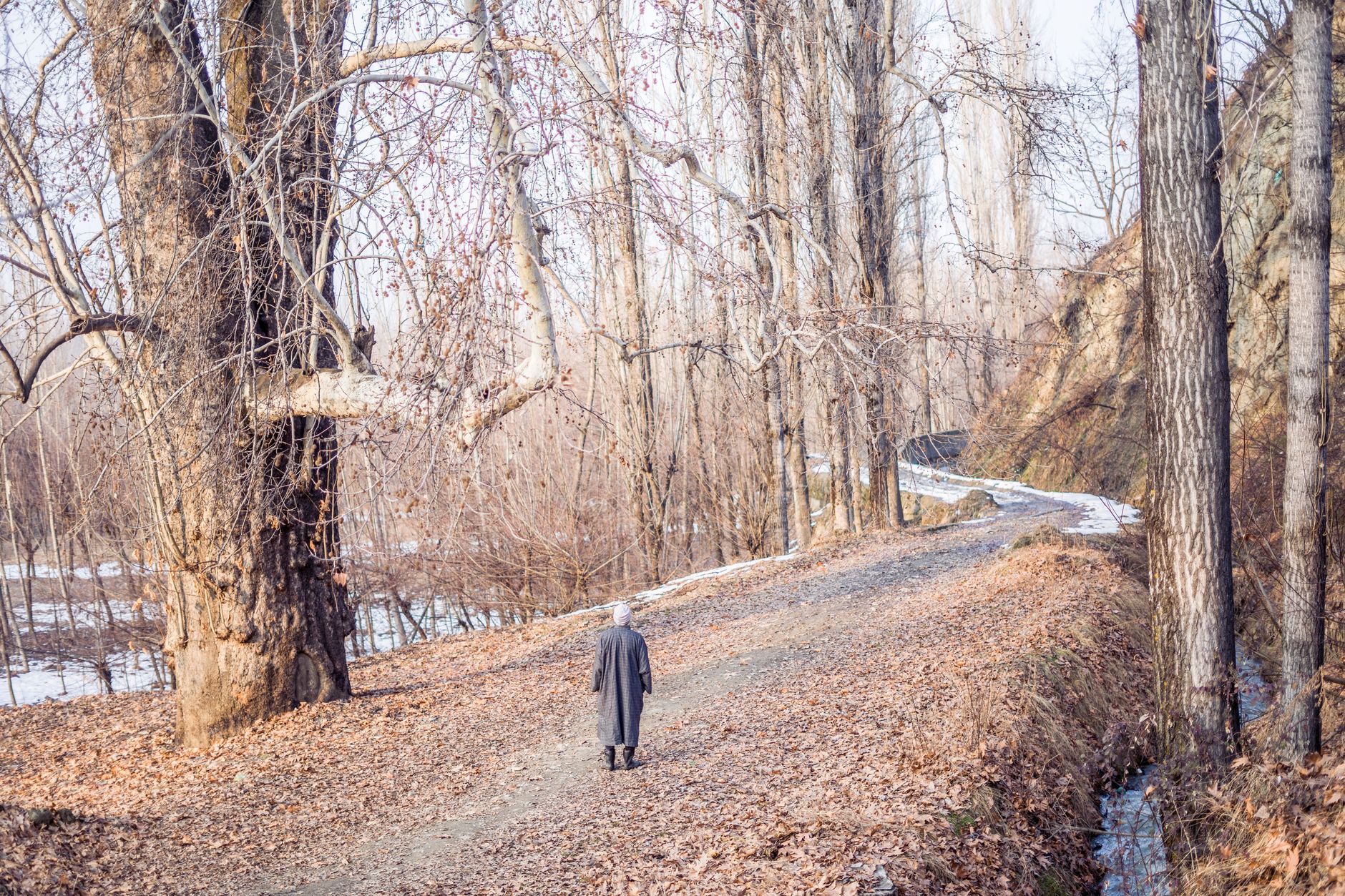
In the picturesque yet politically fraught region of Jammu and Kashmir, education is becoming an unintended casualty of militarization. While the world often focuses on the geopolitical tensions between India and Pakistan over this contested territory, a quieter crisis unfolds in the classrooms—or lack thereof—affecting the education of young girls.
For many Kashmiri girls, the journey to education is punctuated by more than just homework and exams. Curfews, military checkpoints, and sporadic violence disrupt the academic calendar, making consistent learning a near impossibility. Schools frequently close during periods of heightened tension, and even when open, the spectre of conflict looms large, affecting student attendance and morale.
The Gendered Impact
While both boys and girls in Kashmir are impacted, the burden on girls is disproportionately heavy. Cultural norms, which already favour boys' education in many parts of the region, are exacerbated by the conflict. Parents often hesitate to send their daughters to school amidst the unrest, fearing for their safety. This hesitation is compounded by the economic strain on families, where prioritising sons' education becomes a pragmatic choice in uncertain times.
Dr. Rukhsana, a researcher focusing on gender and militarisation in Kashmir, notes that this ongoing conflict not only disrupts education but also stifles the aspirations of young women. "The militarised environment contributes to a culture of fear and control, which limits the spaces where girls can express themselves freely," she explains.
A Call for Attention
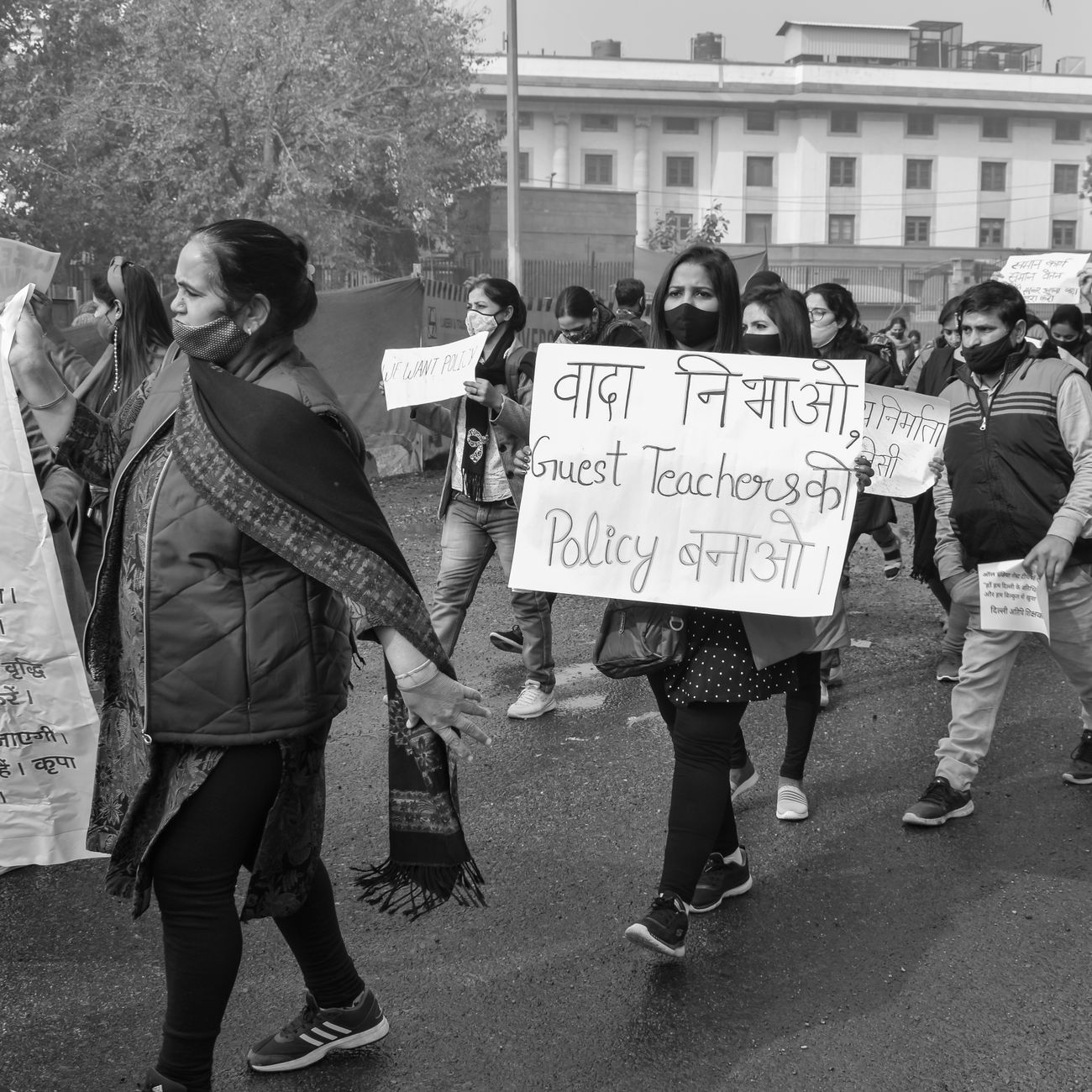
While the Indian government continues to assert its governance in the region, the educational plight of Kashmiri girls remains largely unaddressed. Non-governmental organisations and local activists have called for more robust support systems to ensure that education can proceed uninterrupted, even amidst conflict.
Efforts to introduce alternative education programmes and safe spaces for girls to learn must be prioritised. As the summer vacation period approaches, there is hope that these initiatives can gain momentum, providing a semblance of normalcy and stability in the lives of young Kashmiri women.
The struggle for education in Kashmir is not just about building careers; it is about nurturing hope and resilience in a region marked by strife. As we look towards the future, ensuring that girls can access education safely and consistently must be a focal point for policymakers and educators alike.