Education Minister Pradhan Criticises CJP as 'Disruptive Elements'
In a pointed remark that has stirred both the educational and political arenas, Education Minister Dharmendra Pradhan has referred to the Citizens for Justice and Peace (CJP) as a 'B team of disruptive elements'. His comment, made during an interview with NDTV, comes amidst a heated environment where the roles of activism and governance in education are increasingly scrutinised.
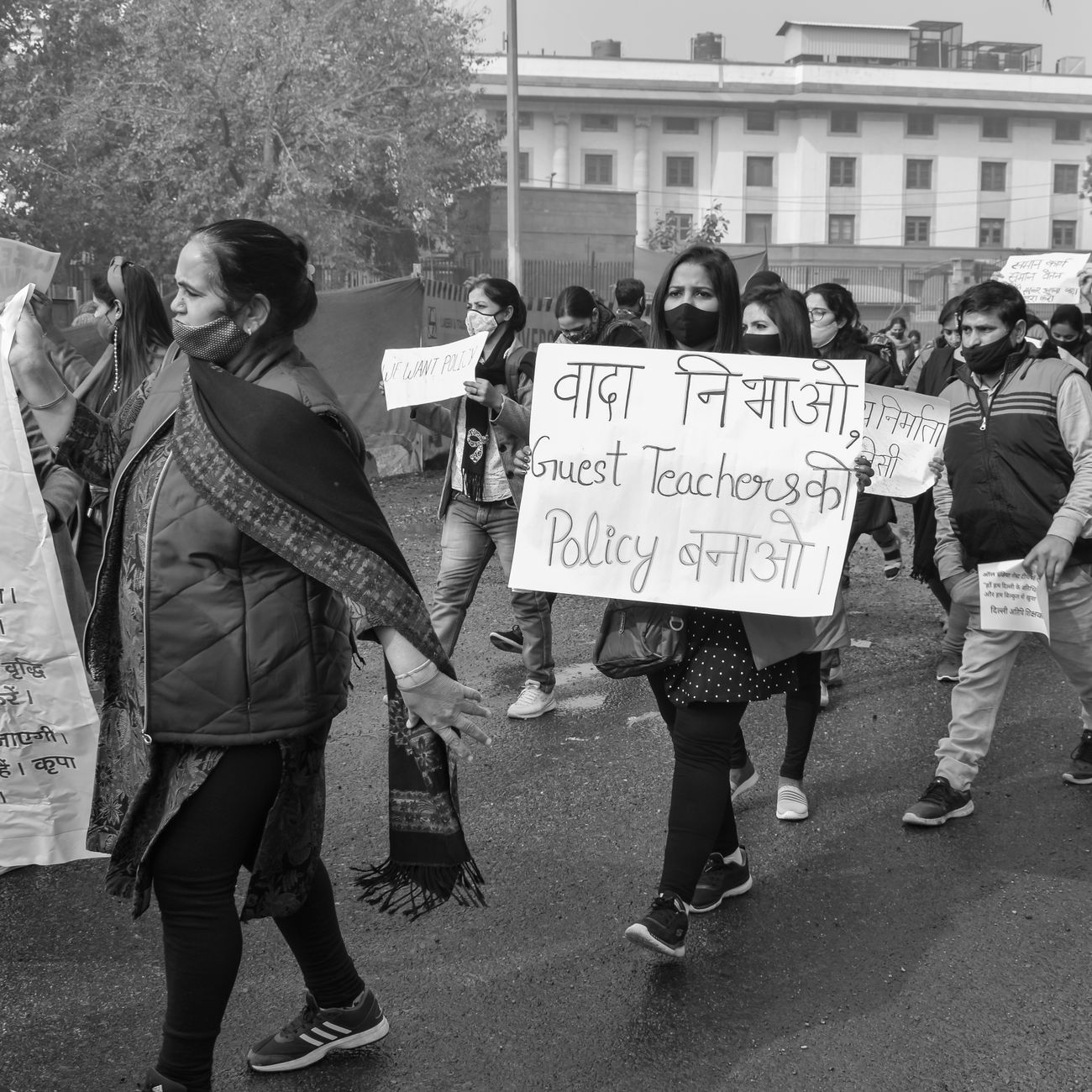
Pradhan's statement reflects a growing frustration within government circles about what is perceived as undue interference by activist groups in the implementation of educational policies. The minister's words are likely to find resonance among those who believe that such groups often hinder rather than help the educational process.
Activism Versus Policy
The CJP, known for its advocacy in human rights and social justice, has been a vocal critic of several governmental policies. However, critics argue that its interventions sometimes cross into the realm of obstruction rather than constructive criticism. Pradhan's remarks highlight a broader debate: should activist organisations play a role in shaping educational policy, or should they remain on the periphery, voicing concerns but not dictating terms?
Supporters of CJP maintain that holding the government accountable is crucial, especially in a sector as vital as education. They argue that the government must welcome diverse perspectives to create a more inclusive and effective educational framework.
The Broader Implications
This incident is not merely about a single organisation but speaks to the larger narrative of how civil society interacts with state mechanisms. As educational challenges become more complex, the need for dialogue between policymakers and activists grows ever more pressing.
Pradhan’s comments might be seen as an attempt to draw a line in the sand, delineating the boundaries of acceptable activism. However, in a democratic society, such boundaries are often fluid, constantly negotiated through public discourse.
Ultimately, the discussion sparked by Pradhan’s remarks is part of a continuing conversation about the future of education in India. It touches upon fundamental issues of governance, accountability, and the role of civil society. As the debate unfolds, it will undoubtedly shape the educational landscape for years to come.