Eknath Shinde's Diplomatic Gesture Towards Sharad Pawar
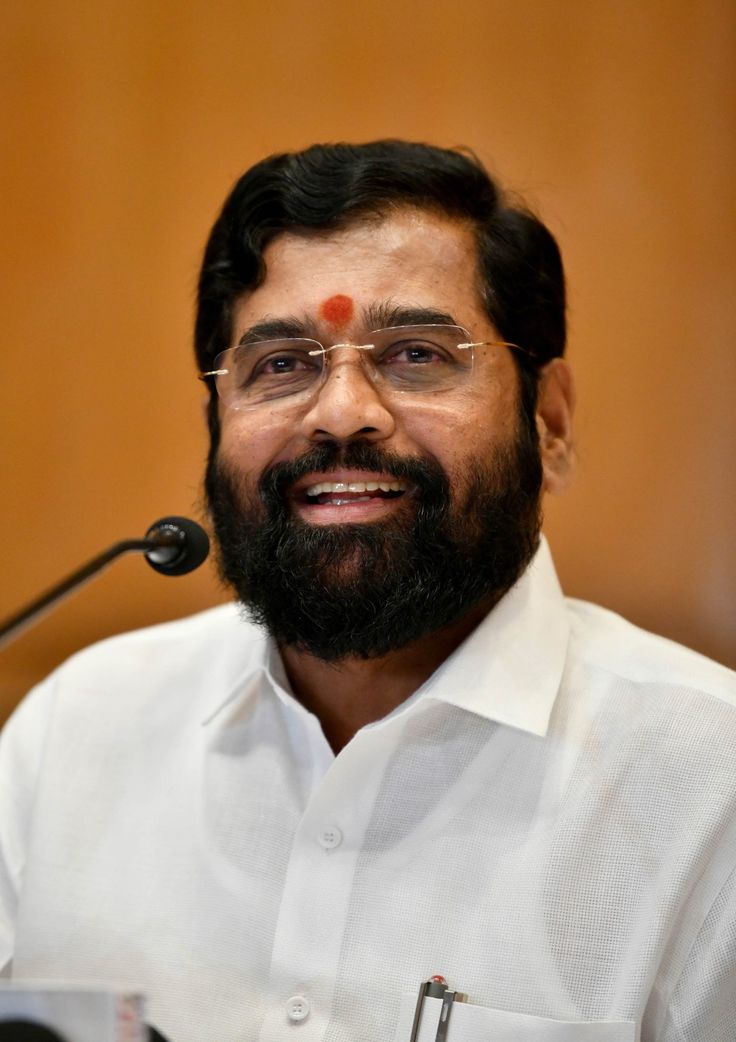
Eknath Shinde, a prominent political figure in Maharashtra, recently demonstrated a rare gesture of political camaraderie when he greeted Sharad Pawar at the Maharashtra Assembly. The occasion was a crucial meeting concerning the Maharashtra-Karnataka border dispute, chaired by Chief Minister Devendra Fadnavis. Shinde, known for his forthright stance, chose a moment of diplomacy over discord.
Upon Pawar's arrival, Shinde, with a shawl and coconut in hand, extended a warm welcome to the veteran politician. "We are political opponents, not enemies," Shinde remarked, underscoring a sentiment often lost in the cutthroat world of Indian politics. This act has evoked a mixture of surprise and admiration, as it contrasts sharply with the typically adversarial tone between rival parties.
The Politics of Civility
Shinde's gesture did not go unnoticed, sparking discussions across political circles about the nature of political discourse in India. In an era where personal attacks have become commonplace, Shinde's actions provide a refreshing reminder of the possibility of respectful disagreement. His approach, however, has not been universally welcomed within his own ranks.
Critics, particularly from the opposition alliance Maha Vikas Aghadi (MVA), have expressed unease. Some party loyalists view the meeting venue choice—Shinde's assembly office—as a breach of political etiquette. Sanjay Raut, a vocal critic, questioned the necessity of hosting such a meeting in Shinde’s office, suggesting alternative venues were available.
Implications and Reactions
Shinde's overture towards Pawar might signal a shift towards a more conciliatory political environment, although it has also stirred internal tensions. The Nationalist Congress Party (NCP), led by Pawar, finds itself navigating the complexities of coalition dynamics while maintaining its individual identity.
This episode, while a minor footnote in the grand tapestry of Maharashtra's political saga, highlights the enduring importance of personal relationships in politics. Whether Shinde's gesture will inspire a broader trend of civility remains uncertain, but it certainly sets a precedent worth noting.