Elderly Face Growing Climate Health Risks, Reveals HelpAge Study
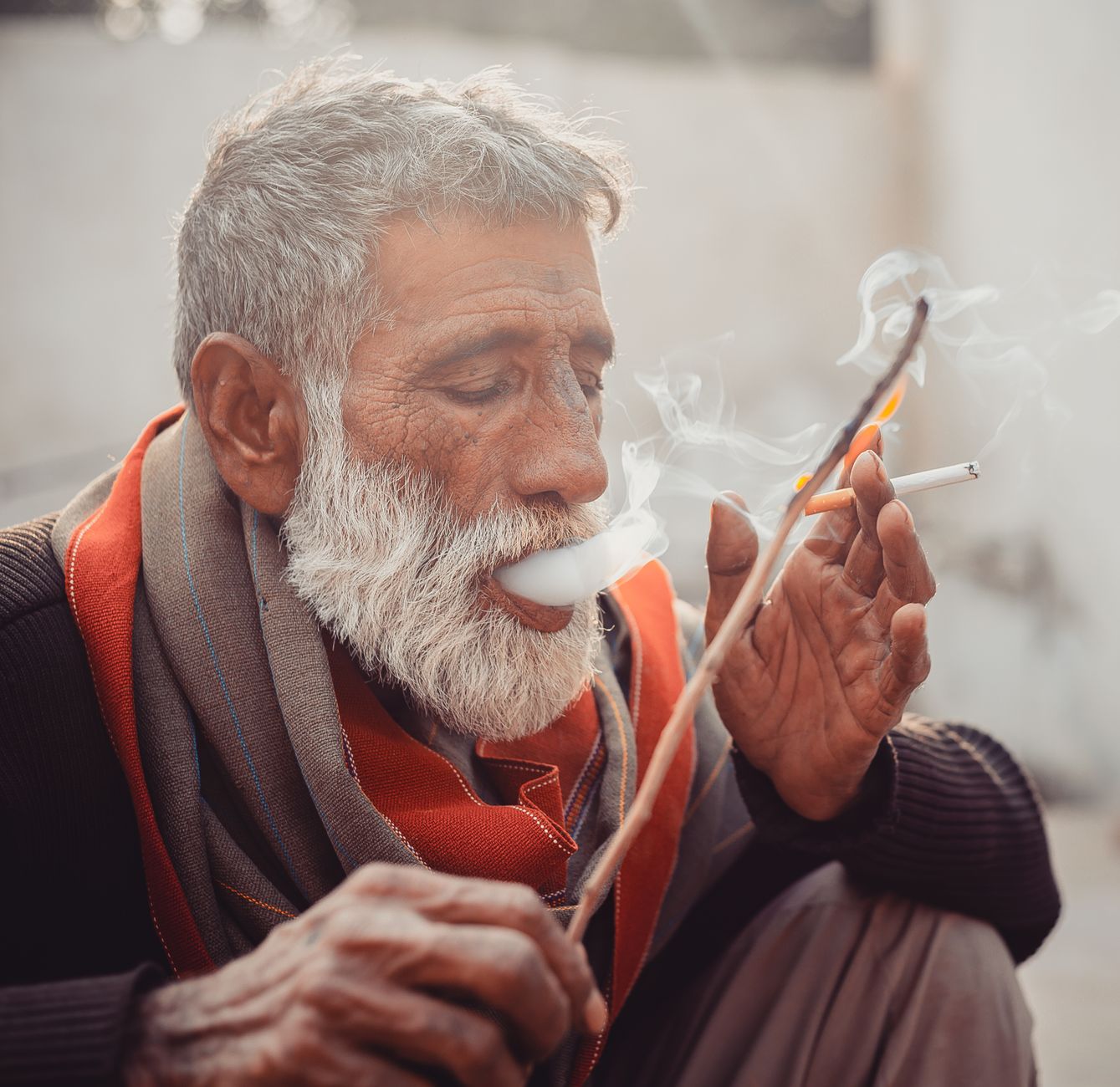
In a revelation that sheds light on a critical oversight in India's climate adaptation strategies, a HelpAge India study has highlighted the significant health risks faced by the elderly due to climate change. Conducted across ten states and involving more than 2,200 elderly participants, the study paints a concerning picture of vulnerability, particularly among the rural ageing population.
As climate change exacerbates extreme weather events, the elderly, especially those living in isolation or grappling with mental and cognitive health challenges, find themselves at the sharp end of these shifts. The study notes that older adults, particularly those over 80, widows, and those with communication difficulties, are disproportionately affected.
Rural Areas Bear the Brunt
India's rural elderly are the most at risk, the study reveals. Often lacking adequate healthcare infrastructure and social support, these communities are ill-prepared to cope with the health hazards posed by rising temperatures and unpredictable weather patterns. The findings underscore how climate-induced stressors are compounding existing health, income, and care vulnerabilities among older adults.
While national climate policies have largely centred around renewable energy and infrastructure resilience, the plight of the elderly has remained an overlooked facet. This oversight could have far-reaching implications, not only for public health but also for the socio-economic fabric of rural India.
Call for Inclusive Policies
HelpAge India’s research urges a rethinking of climate policies to incorporate the needs of the ageing population. As the country advances its climate agenda, integrating health care improvements and support systems for older adults must become a policy priority.
In conclusion, the study serves as a stark reminder of the human dimension of climate change. By focusing on the most vulnerable, India's climate policies can become more holistic, ensuring that the elderly, who have contributed much to society, are not left to weather the storm alone.