Engaging in Arts May Slow Biological Ageing, Study Finds
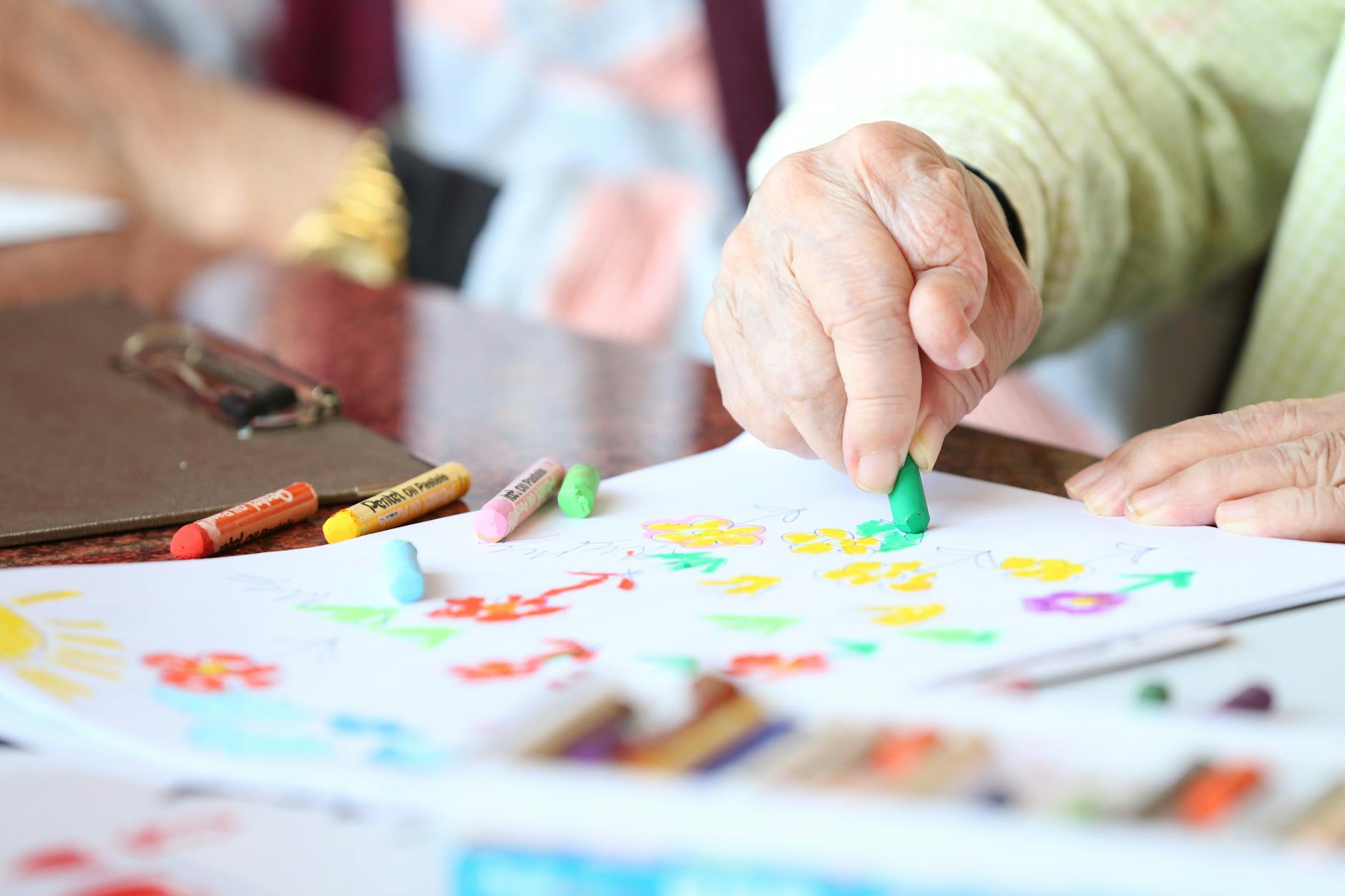
In a world where the pursuit of eternal youth often leads us down pathways lined with anti-ageing creams and elaborate fitness regimes, a study from University College London presents a more cultured alternative. The findings suggest that those who immerse themselves in the arts not only enrich their minds but may also be keeping their biological clocks at bay.
Dr Feifei Bu of the UCL Institute of Epidemiology & Health Care led the groundbreaking study, which offers the first evidence of a link between arts engagement and slower biological ageing. According to Dr Bu, participating in activities such as painting, attending concerts, or visiting museums might contribute to a deceleration of the ageing process at a physiological level.
The Biological Underpinnings
The study’s implications extend beyond mere psychological benefits. It posits that the arts influence biological markers, potentially affecting epigenetic changes—a notion previously associated with physical exercise. In some cases, the benefits of cultural participation were found to be comparable to those of a weekly workout.
The Wider Impact
Previous research has already established that regular cultural engagement can lower risks of depression, cognitive decline, and even frailty. This recent study adds another layer by linking such engagement to underlying physiological processes. While the arts have long been celebrated for their mental health benefits, this new angle highlights the profound impact they may have on our physical health as well.
As the world continues to grapple with ageing populations, such findings could reshape public health policies and encourage more investment in arts and culture as preventive health measures. If embracing creativity can indeed slow down our biological clocks, it may be time to swap a few hours at the gym for an evening at the theatre.