Environmental Ministry Urges Maharashtra to Address Mangrove Complaints
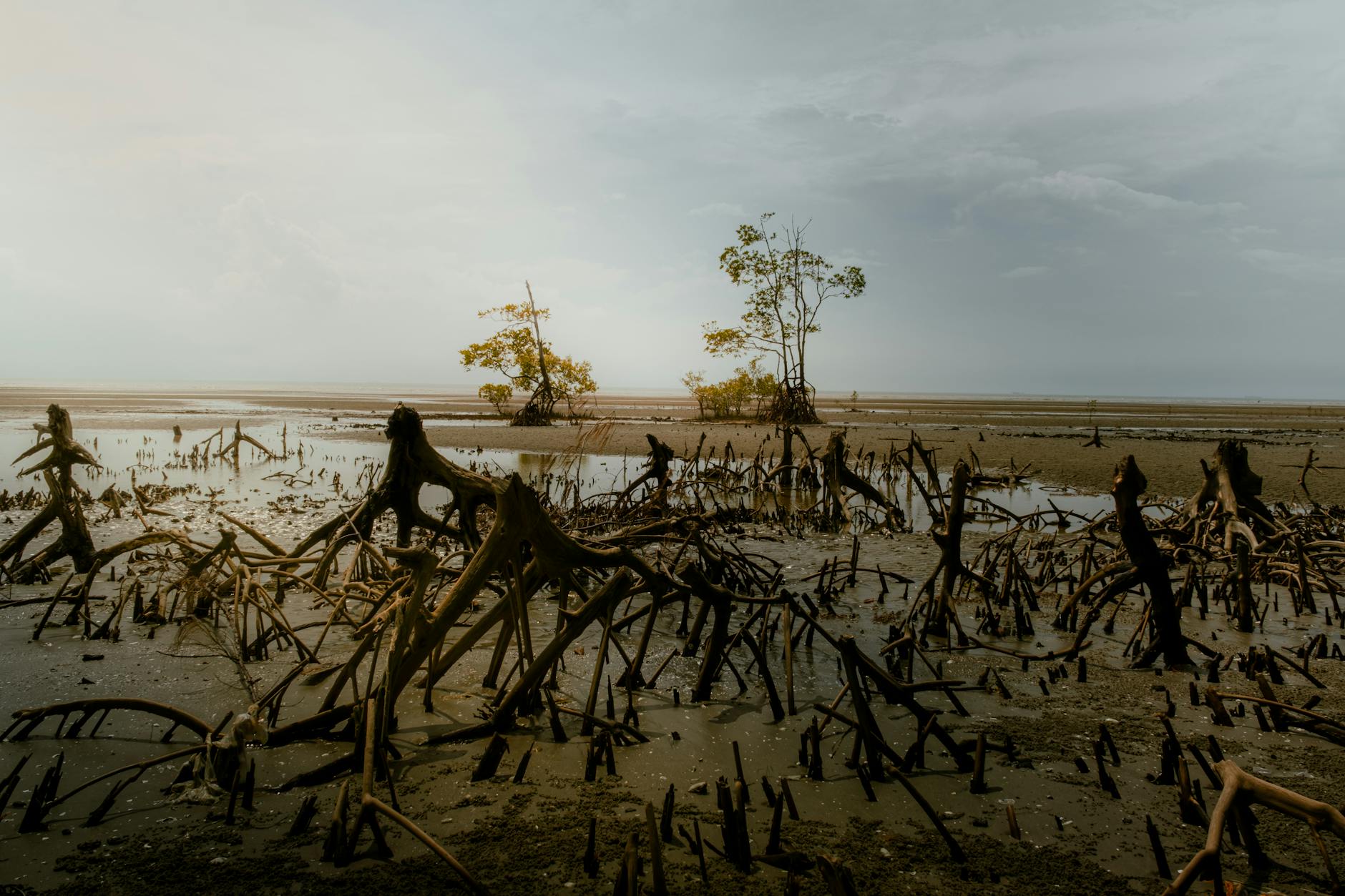
The sprawling mangrove ecosystems of Maharashtra are once again at the centre of environmental scrutiny. The Union Ministry of Environment, Forests & Climate Change has called upon the Maharashtra government to scrutinise complaints surrounding the alleged diversion of 104 hectares of mangrove land for development projects. The ministry's directive underscores growing concerns over the potential environmental repercussions of such actions.
These complaints, primarily focusing on non-compliance with Stage-I environmental conditions, have sparked a fresh wave of debate. Environmental activists argue that the unchecked diversion of mangrove land could severely disrupt local ecosystems, which serve as crucial buffers against coastal erosion and support diverse wildlife.
In recent years, Maharashtra has been caught in a delicate balancing act between urban development and ecological preservation. The state's rapid urbanisation has often clashed with the need to protect its natural resources. The ongoing construction of a cycle track around Powai Lake, which allegedly poses a threat to the lake's surroundings, is another example of the tension between growth and conservation.
The Role of Mangroves
Mangroves are vital to coastal environments. They act as natural barriers against storms and help in stabilising shorelines, thereby reducing the risk of erosion. Moreover, they are home to a wide array of species, some endangered, and play a critical role in carbon sequestration. The loss of such ecosystems could have far-reaching implications, both locally and globally.
The Union Ministry's intervention reflects a broader push to ensure that development does not come at the expense of environmental integrity. While the ministry has been tasked with streamlining forest clearances, there is a pressing need for rigorous compliance checks to ensure sustainable development.
Looking Ahead
The Maharashtra government now faces the challenge of addressing these environmental concerns while continuing to facilitate development. It remains to be seen how the state will balance these competing interests. What is clear, however, is that failing to safeguard its natural ecosystems could have dire consequences for both the environment and the communities that rely on them.