Escalating Sand Demand Sparks Global Environmental Alarm

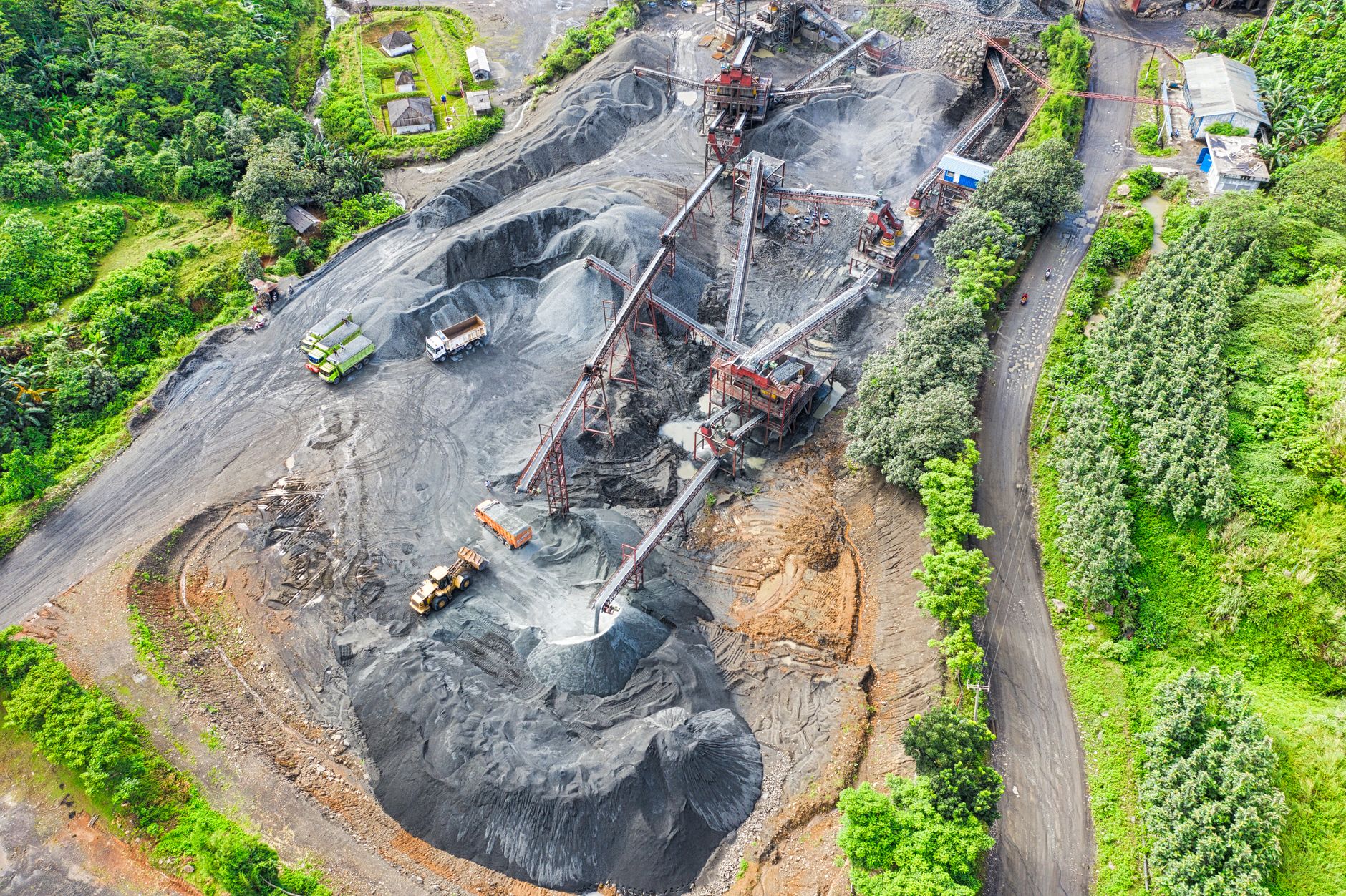
The world's insatiable appetite for sand, a seemingly innocuous material, has reached an alarming crescendo. In a recent report, the United Nations has sounded the alarm over a fivefold increase in global sand demand over the past fifty years, now peaking at an astonishing 50 billion tonnes annually. This surge, the report warns, poses significant threats to ecosystems and human livelihoods, necessitating a re-evaluation of how this resource is managed.
Sand, often perceived as abundant, is becoming a scarce commodity. The report stresses that it must be treated as a strategic resource rather than an infinite one. The implications are profound, particularly for developing nations where more than 91% of disaster-related deaths occur. These countries are often the most vulnerable to environmental degradation caused by unsustainable sand extraction.
The Environmental Cost
As infrastructure development accelerates globally, the demand for sand has outpaced sustainable extraction methods. The environmental cost is severe. Ecosystems are being disrupted, with rivers and coastal areas bearing the brunt of this exploitation. The extraction process erodes riverbanks, increases flood risks, and destroys habitats, leading to a cascade of ecological consequences.
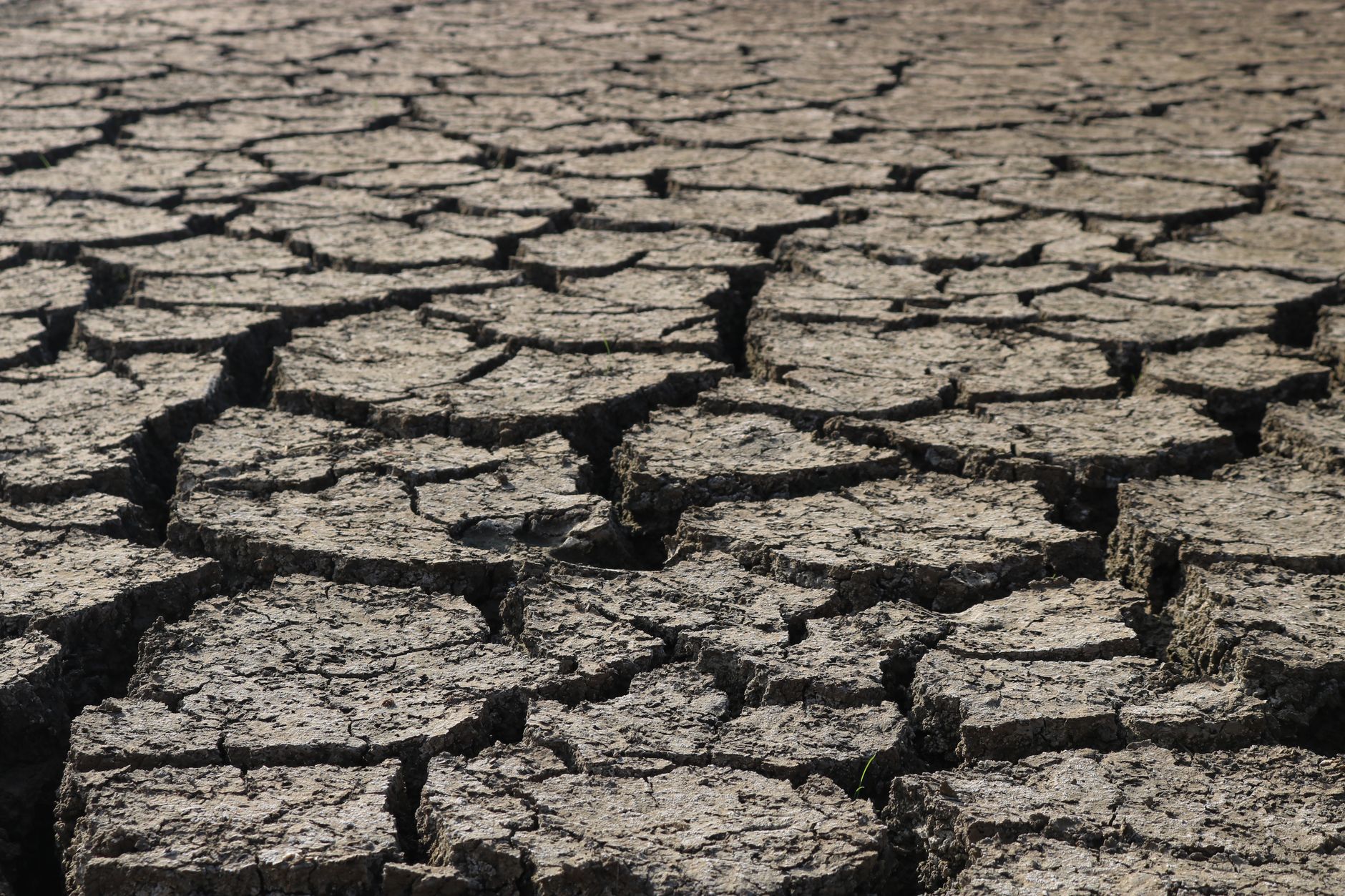
The economic ramifications are equally dire. Developing countries, already grappling with climate change and natural disasters, face heightened risks as their natural defences are eroded. The report highlights that the frequency of weather-related disasters has increased four to five times since the 1970s, with associated damage escalating sevenfold.
A Call for Sustainable Practices
In light of these findings, the UN report calls for urgent action. It advocates for the adoption of sustainable sand extraction practices, improved governance, and increased public awareness. By treating sand as a finite resource, the aim is to strike a balance between developmental needs and environmental sustainability.
This call to action is not just a matter of ecological prudence but of economic necessity. Countries must collaborate to ensure that robust regulatory frameworks are in place, protecting both natural ecosystems and the communities that depend on them.
The report serves as a stark reminder of the interconnectedness of global challenges. As sand continues to slip through our fingers, the time to act is now, before the grains run out entirely.