Europe Braces for Rising Temperatures as WHO Issues Dire Warning
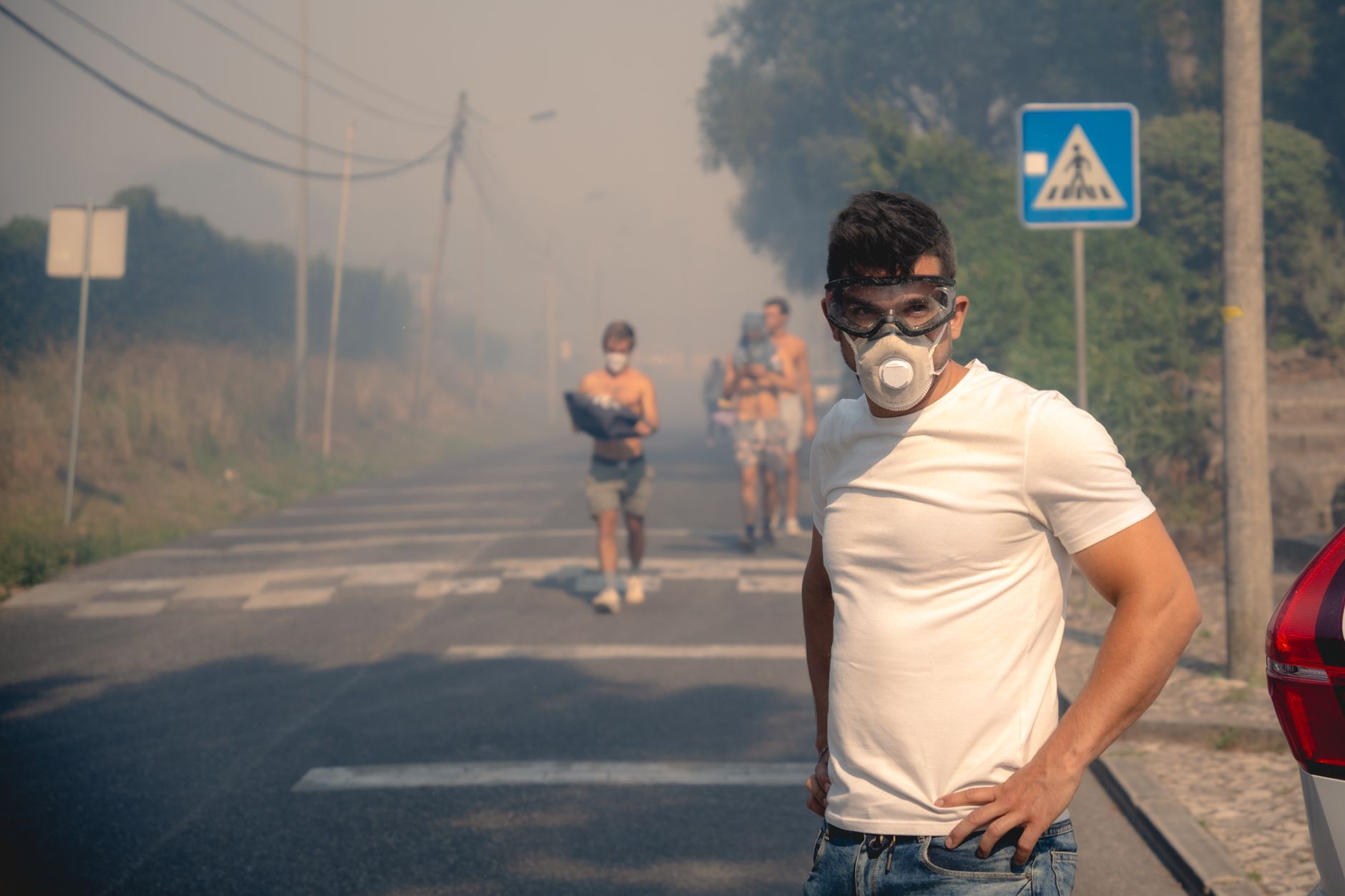
As the mercury threatens to climb once again, Europe finds itself on the brink of scorching temperatures that could exacerbate existing health challenges. The World Health Organisation (WHO) has sounded the alarm, cautioning that the continent may face several 'more deadly weeks' due to an impending heatwave.
Historically, Europe has experienced severe heatwaves, with the summer of 2003 still etched in the collective memory for its devastating health impacts. Thousands perished as temperatures soared, overwhelming health services and exposing the vulnerabilities within societal infrastructures.
Preparing for the Worst
In an age where climate change is no longer a distant threat but a present reality, the call for preparedness is more urgent than ever. The WHO's warning serves as a critical reminder of the importance of proactive measures. Vulnerable groups, such as the elderly, young children, and those with pre-existing health conditions, remain at heightened risk.
Experts suggest that local governments must bolster their emergency response plans, ensuring that cooling centres are readily available and that public health advisories are clear and actionable. The challenge extends beyond immediate health risks to encompass broader societal impacts, including strain on power grids and water supplies.
A Broader Conversation
This situation also reignites the broader conversation about climate change and its tangible effects on everyday life. As nations strive to meet climate goals, the urgency of implementing sustainable practices and policies becomes ever more pressing. The current heatwave threat underscores the need for international cooperation and swift action to mitigate future climate impacts.
As Europe braces itself for what could be a challenging summer, the eyes of the world are watching. How the continent manages this crisis could serve as a blueprint for others facing similar threats in an increasingly warming world.