Europe Swelters: The Rising Demand for Cooling Solutions
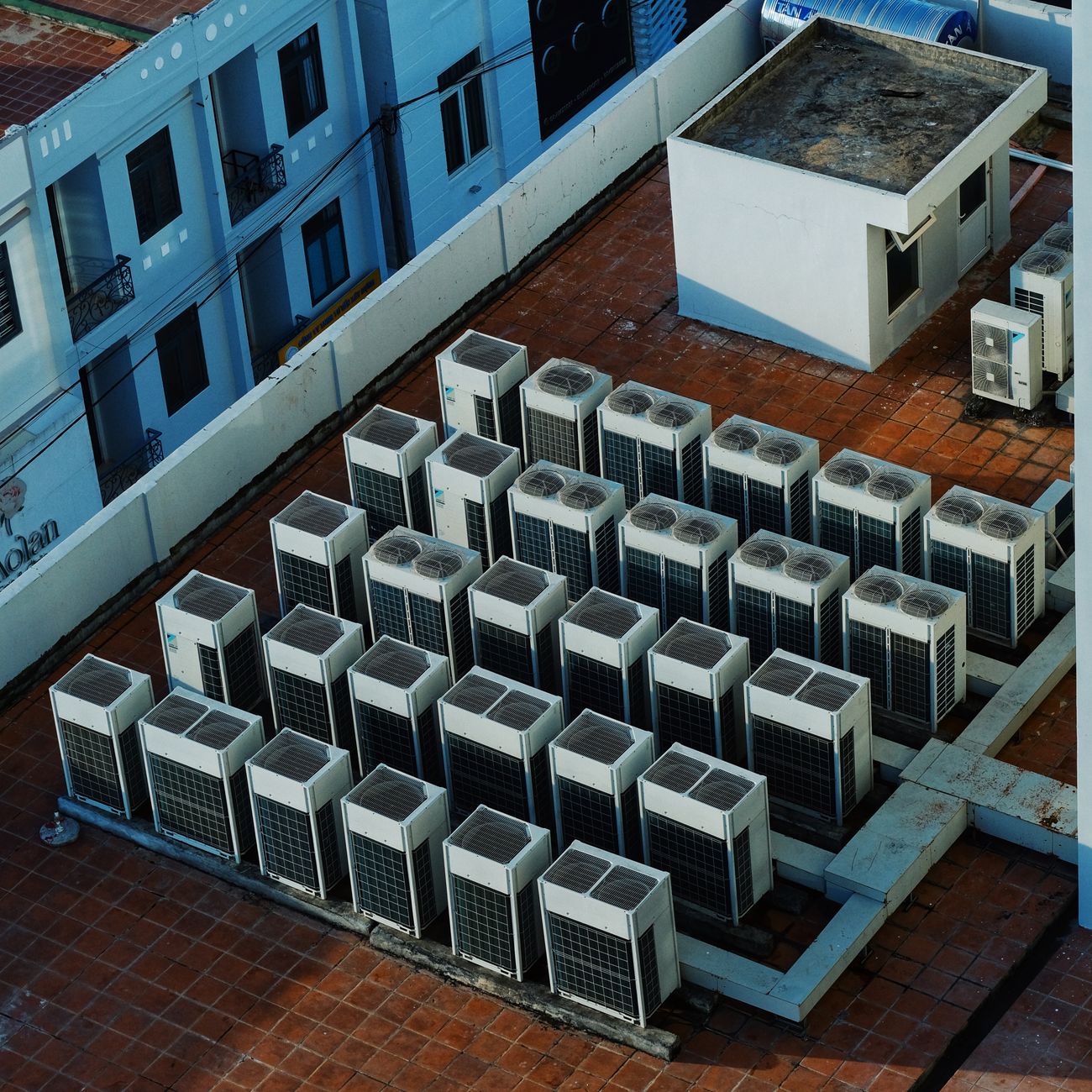
The sun beats down mercilessly on a sweltering Parisian afternoon, as residents seek refuge from the oppressive heat. This scene is becoming all too familiar across Europe, where a relentless heatwave is driving demand for air-conditioning units through the roof. Once considered a luxury, these cooling devices are increasingly being viewed as essential—and their sales are skyrocketing.
Historically, Europe has lagged behind in air-conditioning adoption. With only about 20% of households across the continent equipped with such systems, the current heatwave is exposing a critical vulnerability. In the UK, the figure hovers around a mere 5%, while Germany fares slightly better at 3%. The traditional European reliance on natural cooling methods seems increasingly inadequate in the face of extreme temperatures.
Asian Manufacturers Reap the Benefits
While European retailers scramble to meet the burgeoning demand, Asian air-conditioner manufacturers are enjoying a windfall. Companies in countries like Japan and South Korea, where the technology is more commonplace, are seeing significant surges in export orders. This trend underscores the global interconnectedness of supply chains and the growing need for climate adaptation technologies.
Despite this boon for manufacturers, the situation reveals a deeper challenge for Europe’s energy infrastructure. The surge in demand is straining electricity grids, already under pressure from reduced outputs due to warming rivers affecting nuclear reactors in France and slackening wind speeds impacting renewable energy generation.
Energy Infrastructure Under Pressure
The increased electricity consumption has forced countries like Great Britain to import energy at exorbitant prices, as domestic output struggles to keep pace. This highlights the urgent need for Europe to bolster its energy resilience and diversify its renewable energy sources to avoid dependency on costly imports.
As Europe braces for what could be a new climate reality, the race is on to develop sustainable cooling solutions that can alleviate the immediate discomfort while also mitigating longer-term environmental impacts. The current heatwave serves as a stark reminder of the challenges posed by climate change and the infrastructural adaptations required to address them.