EU's Circular Economy: A Dual Victory for Environment and Growth
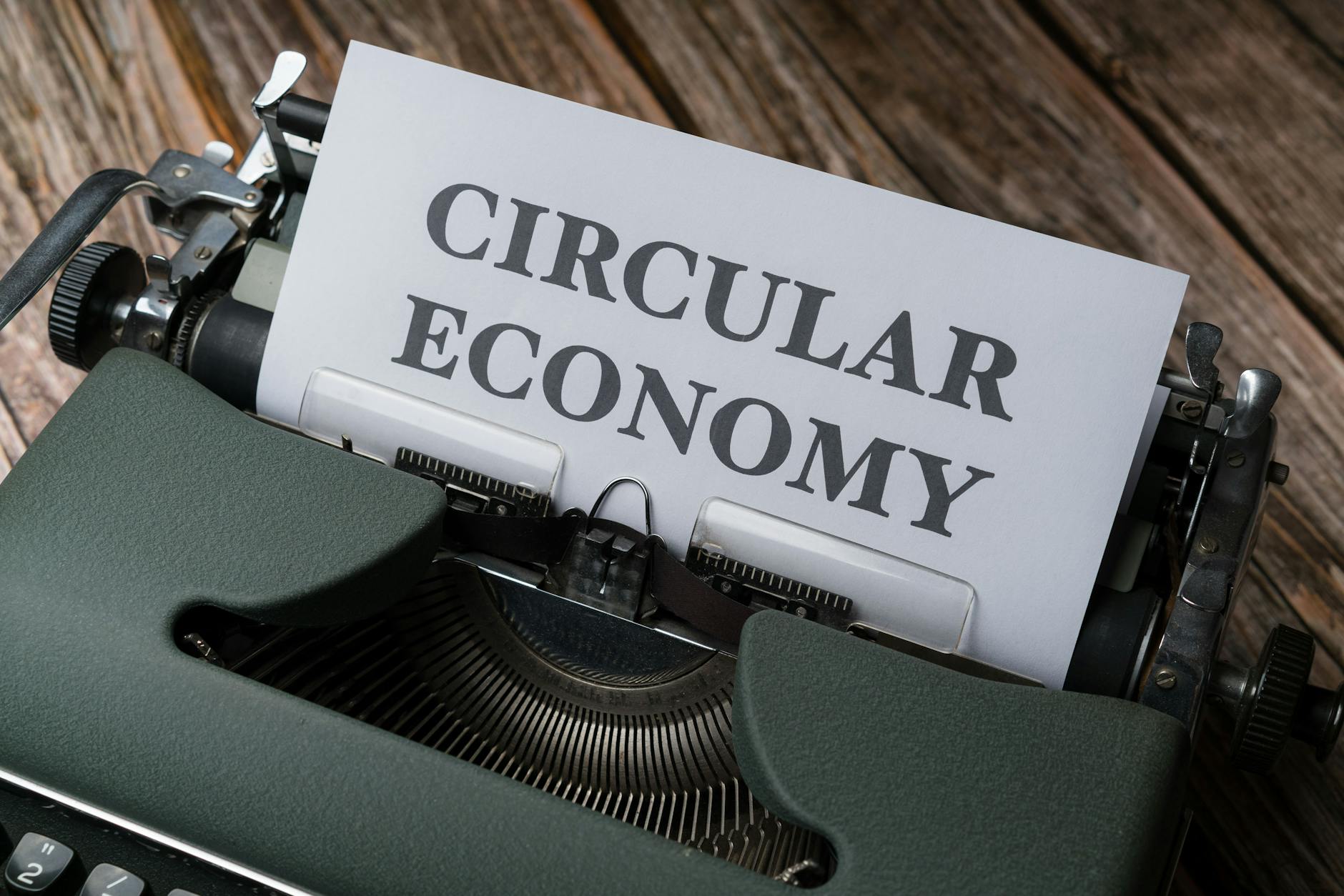
In the heart of Europe, a quiet revolution is underway that promises not just to sustain but to transform. The circular economy, a model that reimagines waste as a resource, is gaining momentum as a dual victory for both the environment and the economy. This transition, as detailed in three new assessments by the European Environment Agency (EEA), is not just an environmental imperative but a strategic business opportunity.
The concept, popularised by economists David W. Pearce and R. Kerry Turner in the late 1980s, challenges the traditional linear model of 'take, make, dispose'. Instead, it advocates for a closed-loop system where materials are reused, repaired, and recycled. It's a vision that could redefine how Europe manages its resources, potentially unlocking significant economic returns while drastically reducing environmental impact.
The Economic Upside
For the EU, the circular economy offers a chance to reduce its reliance on imported raw materials, thereby enhancing economic resilience. By investing in circular practices, industries could see a reduction in production costs and an increase in competitiveness. The EEA's assessments stress the need for accelerated investment in these practices to meet ambitious climate and environmental targets.
Moreover, this model could spur innovation across sectors. From textiles to electronics, the potential for redesigning products and processes could open new markets and create jobs, providing a much-needed boost to the European economy. In essence, the circular economy is not just about recycling; it's about rethinking the entire lifecycle of products.
Environmental Gains
Environmentally, the benefits are clear. By reducing waste and conserving resources, the circular economy could significantly decrease greenhouse gas emissions. The model aligns perfectly with the EU's broader climate objectives, offering a practical pathway to achieving sustainability goals.
As Europe grapples with the twin challenges of climate change and economic recovery, the circular economy emerges as a promising solution. It presents a compelling case for policymakers, businesses, and consumers to rethink their approach to consumption and waste. The journey towards a circular economy might be complex, but the rewards—environmental and economic—are undoubtedly worth the effort.