Ex-World Bank Chief Urges China to Release Food and Fertiliser Stocks
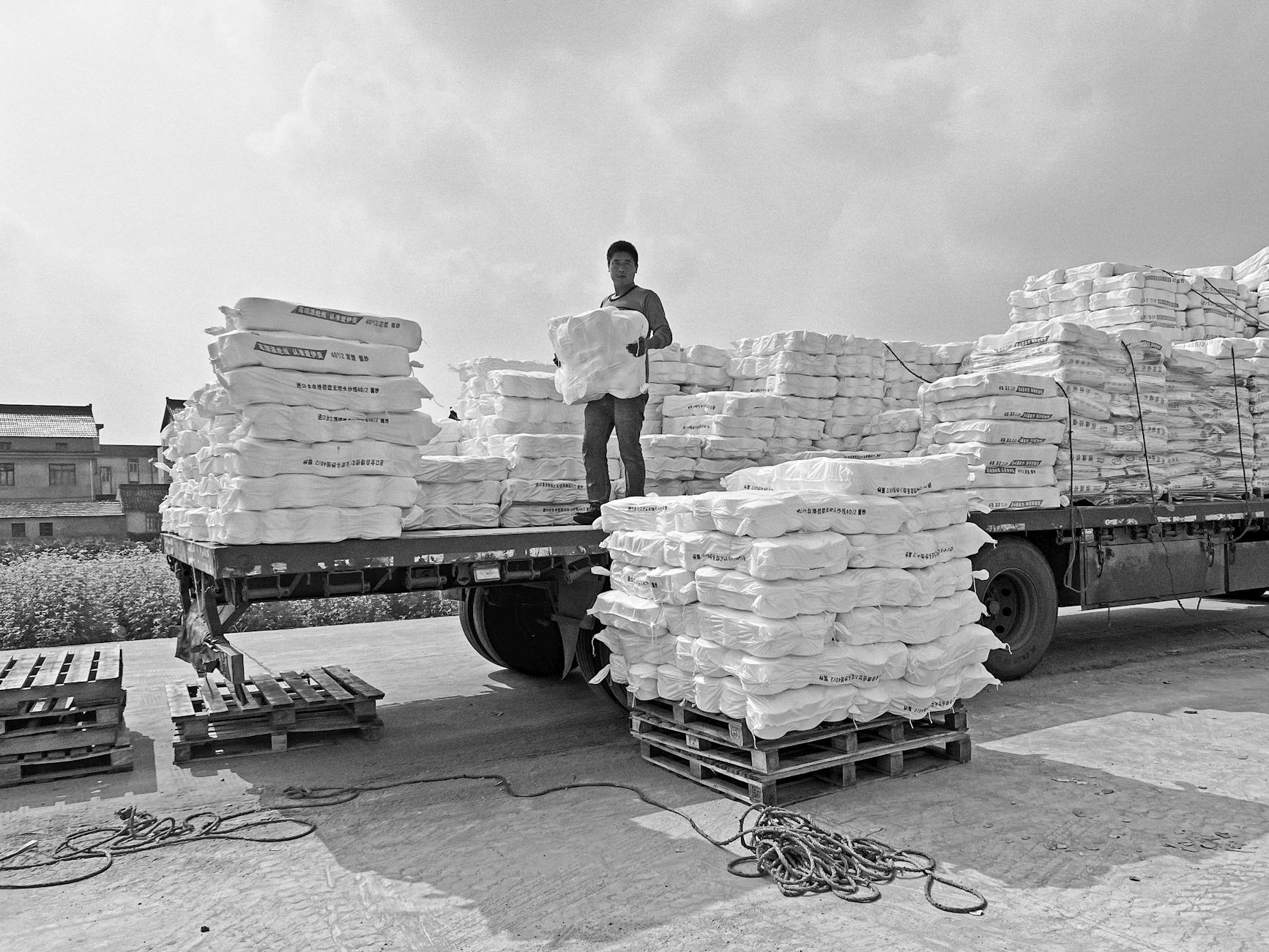
In a pointed critique that has caught international attention, David Malpass, the former president of the World Bank, has called on China to release its substantial reserves of food and fertiliser. His remarks, made in a recent interview with the BBC, highlight the critical role China plays in the global agricultural market, particularly amidst the ongoing supply chain disruptions due to the conflict in Iran.
China, the world's largest importer of agricultural goods, has been hoarding these vital resources, according to Malpass, exacerbating shortages that have sent shockwaves through global supply chains. The timing of his comments is noteworthy, coinciding with an anticipated meeting between US President Donald Trump and Chinese President Xi Jinping in Beijing. The summit is expected to address not only trade relations but also broader geopolitical tensions.
A Global Supply Crisis
The conflict in Iran has already strained global supply chains, causing headaches for nations reliant on steady imports. Malpass argues that China's stockpiling behaviour is further complicating an already precarious situation. "China's actions have a ripple effect," he stated, emphasising the necessity for major players to cooperate rather than exacerbate shortages.
Critics of China's policy argue that its continued accumulation of food and fertiliser could lead to increased prices and scarcity, particularly affecting developing countries that are less equipped to handle such volatility. The impact is not merely economic but social, as food insecurity can lead to unrest and instability.
Political Implications
Malpass's comments add another layer to the complex web of international relations. As Trump and Xi prepare for their meeting, the issue of China's resource management will likely be a point of contention. Observers suggest that any diplomatic progress in this area could signal a shift towards more collaborative global governance, addressing not only immediate shortages but also setting precedents for future crises.
While China has yet to respond officially to Malpass's statements, the international community watches closely. The upcoming dialogue between the two superpowers may pave the way for a more stabilised global market, but only if substantive agreements are reached.