Expressway Approved Through Tiger Territory Amidst Conservation Concerns
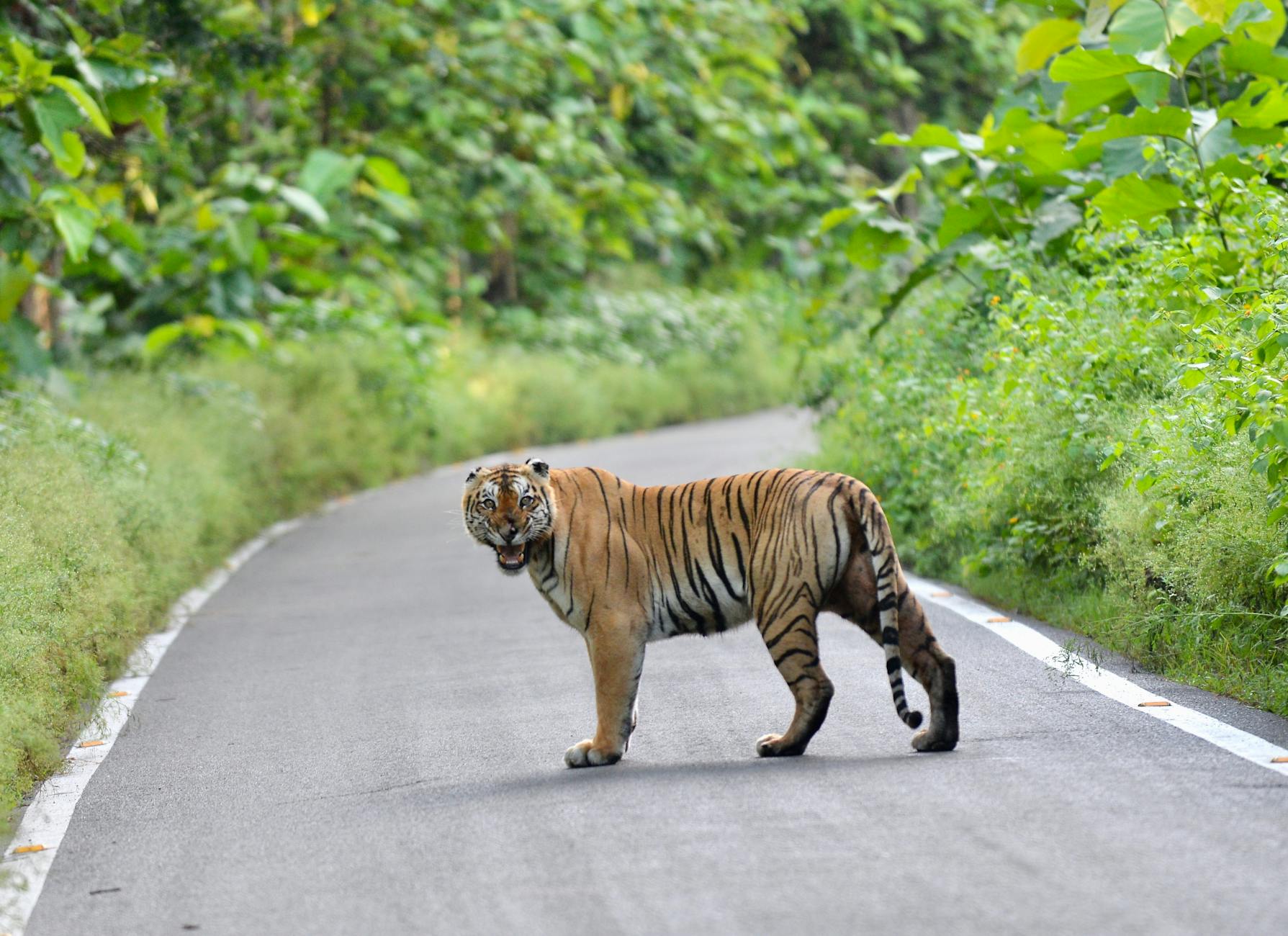
In a move that has ruffled feathers among environmentalists, India's Environment Ministry has given the nod to a significant infrastructure project: the Varanasi-Kolkata expressway. This ₹9,250 crore venture promises to cut travel time dramatically, but at a cost that some argue may be too high. The planned expressway, spanned across 610 km, will carve through the heart of a tiger landscape, raising pressing questions about the future of these majestic creatures.
The expressway, part of the National Highways Authority of India's ambitious upgrades, will see a 235-km stretch passing through forest land, a territory home to India's iconic big cats. While the promise of reduced travel times from Varanasi to Kolkata is tantalising, conservationists warn that the disruption could sever crucial wildlife corridors, essential for the tigers' survival and genetic diversity.
Balancing Development and Conservation
The government, however, remains steadfast in its belief that the expressway will be a boon for economic development. By connecting major cities and reducing travel times to six or seven hours, the project is expected to boost trade and tourism significantly. Officials assure that measures will be taken to mitigate environmental impacts, including the implementation of wildlife crossings and sound barriers.
Yet, the approval has not gone unchallenged. Environmental groups have voiced their concerns, arguing that the long-term ecological costs may outweigh short-term economic gains. The tiger population in India, a vital part of the global ecosystem, faces numerous threats, and habitat fragmentation only exacerbates these challenges.
The Road Ahead
As construction plans move forward, the debate is likely to intensify. The expressway's route through Bihar's Kaimur, Rohtas, Aurangabad, and Gaya districts, areas rich in biodiversity, underscores the delicate balance between development and conservation. While the project promises modern connectivity, it is a stark reminder of the ongoing struggle to preserve natural habitats in a rapidly developing nation.
Whether the expressway will indeed serve as a conduit for prosperity or become a symbol of ecological oversight remains an open question. What is clear, however, is the urgent need for thoughtful planning and genuine dialogue between policymakers, conservationists, and the communities affected by such grandiose projects.