FIFA World Cup 2026: Football Amidst Global Tensions
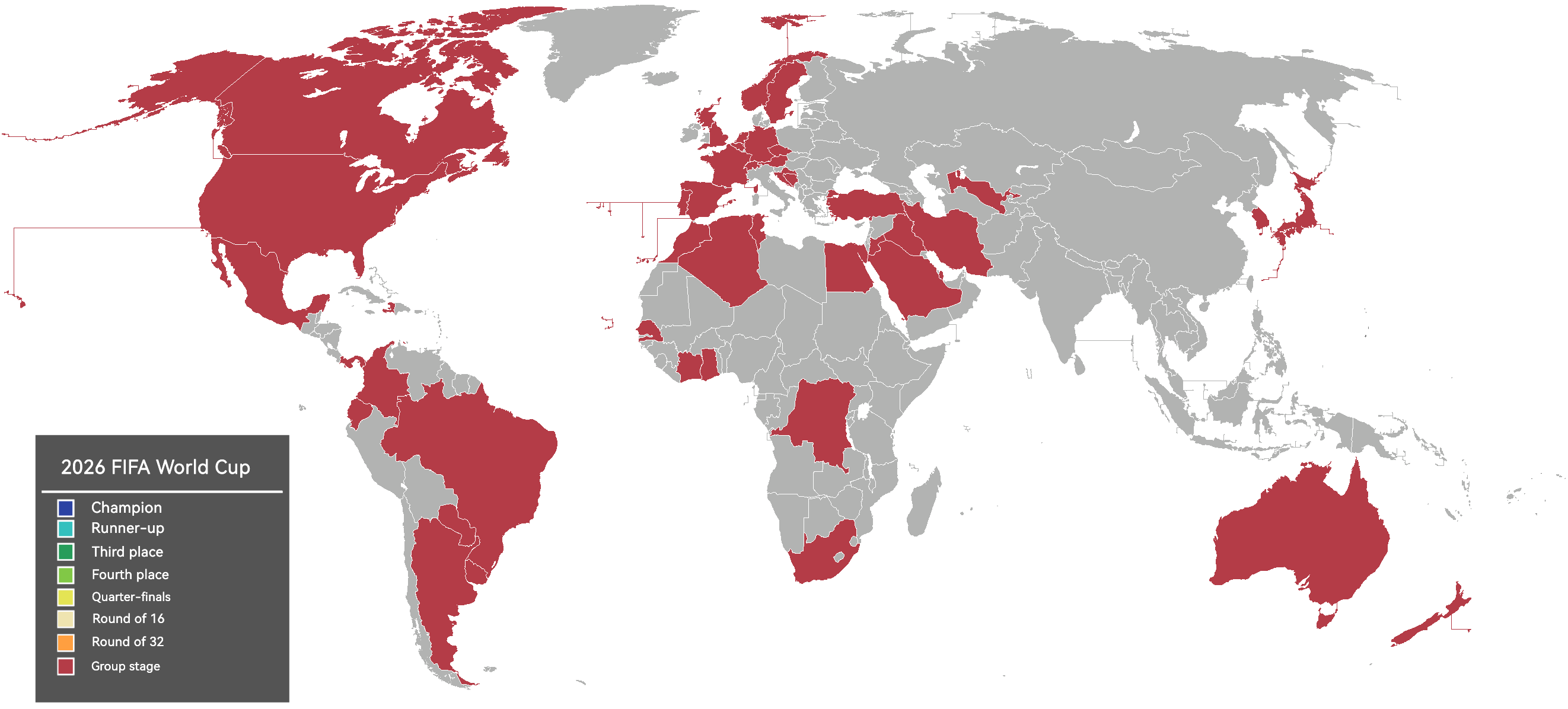
As the first whistle blows in the 2026 FIFA World Cup, a tournament larger and more ambitious than any before, football once again becomes a canvas for the world's geopolitical tensions. Set across the vast expanses of North America, with the United States, Canada, and Mexico hosting, this World Cup is not merely a sporting event but a stage where broader narratives unfold.
The tournament, featuring an unprecedented 48 teams and 104 matches, arrives at a moment when international relations are anything but harmonious. The ongoing conflicts in various parts of the world cast long shadows over the proceedings, prompting questions about the role of sport in times of strife.
Notably, the World Cup has historically been a platform for political expression. The Cold War era tournaments saw nations attempting to assert ideological dominance through sport. Today, the situation is more nuanced but no less charged. As countries like Iran and Iraq take the field, their participation serves as a reminder of the political undercurrents that accompany international competitions.
Diplomacy on the Pitch
For some, the World Cup presents a unique opportunity for diplomacy. Football's universal appeal and the global attention it garners can act as a bridge between nations. The mingling of fans from diverse backgrounds often leads to cultural exchanges that transcend political boundaries.
However, the potential for sport to foster peace remains a contentious issue. Critics argue that while football can momentarily unite, it is not a panacea for deep-rooted political conflicts. Nonetheless, the hope that the World Cup could serve as a platform for dialogue persists.
A Political Football
As the tournament progresses, FIFA finds itself under scrutiny. Questions about its political neutrality and the ethics of hosting a World Cup amidst geopolitical turmoil are unavoidable. The organisation's response, and indeed its handling of this delicate situation, will be closely watched by both fans and critics alike.
In the end, the 2026 World Cup will not only showcase the beautiful game but will also reflect the complexities of our times. Whether it will be remembered for its sportsmanship or its political implications remains to be seen. For now, the world watches, hopeful that amidst the competition, there lies a chance for understanding and unity.